
Beavers are fascinating creatures known for their impressive building skills and unique lifestyle. At night, beavers sleep in underwater dens made from sticks and mud. These dens help keep them safe from predators while they rest. These nocturnal rodents are quite active during the evening, foraging for food and maintaining their lodges.
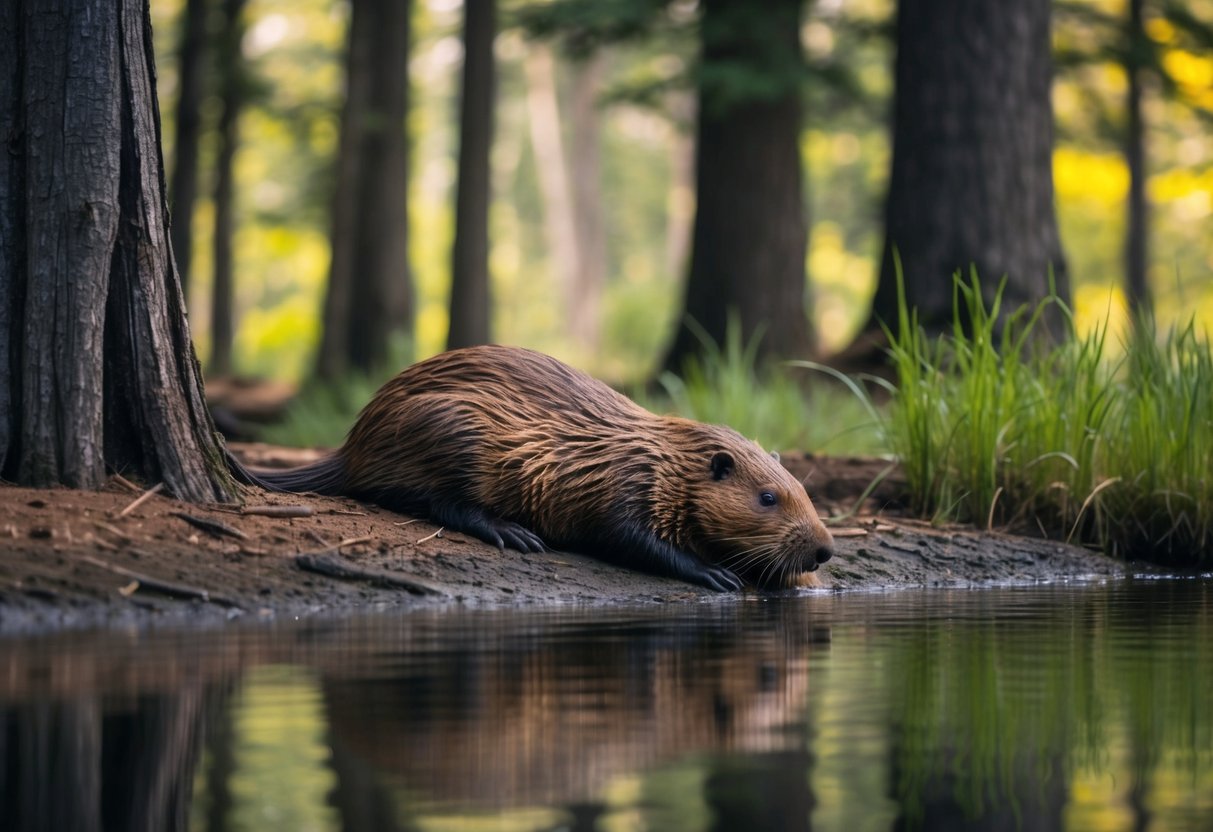
As herbivores, beavers spend their nights gathering plant materials and repairing their dams, which play a crucial role in their habitat. Their daily routine is carefully crafted to ensure they can stay safe while thriving in their environment. Understanding where beavers sleep reveals just how well these remarkable animals adapt to their surroundings. Learning about their sleeping habits is just the tip of the iceberg when it comes to the world of wildlife.
Beavers as Nocturnal Animals

Beavers are primarily nocturnal creatures, which means they are most active at night. Understanding their behavior during these hours can give you great insight into how they thrive in their environments.
Understanding Nocturnal Behavior
Beavers are mainly nocturnal, allowing them to avoid daytime predators. By being active during the night, they reduce the risk of encounters with animals such as coyotes and foxes. Their sleep patterns are designed around this lifestyle. Though typically active at night, they sometimes venture out during dusk and dawn, making them crepuscular as well.
Activity Patterns Throughout the Night
You’ll find that beavers often begin their nightly activities around 4 PM. During this time, they engage in important tasks like building and maintaining their dams and lodges. They are active for about 12 hours each night, using this time to gather food, usually bark and aquatic plants. Their keen eyesight, enhanced by a special layer in their eyes called the tapetum lucidum, allows them to see well in low light conditions.
Adaptations for Nighttime Activity
Beavers have several adaptations that support their nocturnal lifestyle. Their strong sense of smell is crucial for locating food and sensing danger. Excellent night vision allows them to navigate in dark waters. Additionally, their eyes have a reflective layer called the tapetum lucidum, which boosts their ability to see in the dark. These adaptations help ensure that they stay safe and productive while foraging at night, making them well-suited to their nocturnal habits.
Beaver Lodges and Dens

Beavers create unique homes known as lodges and dens. These structures serve as safe havens and play an important role in their daily lives.
Structural Features of Lodges and Dens
A beaver lodge is built with materials like branches, mud, and vegetation. The outside is often tough and water-resistant, ensuring durability. Inside, lodges have a cozy chamber where the beaver family sleeps and stays safe from predators.
Lodges are typically built in ponds created by the beavers’ dam-building activities. These ponds help keep the lodge submerged, offering protection. The interior of the lodge is well-ventilated, as beavers leave holes at the top to allow fresh air in. This design supports a healthy living environment for the entire beaver colony.
Underwater Entrances and their Purpose
Beavers are skilled swimmers and have a unique adaptation: underwater entrances to their lodges. These entrances are vital for safety. By keeping the entrance below the water surface, they protect themselves from predators.
When entering their home, beavers swim down and then come up inside the lodge. This clever design keeps out unwanted visitors. The underwater entrances also help maintain a stable temperature inside the lodge by reducing exposure to outside elements.
This setup makes lodges safe and comfortable for beavers and their families. It truly showcases their remarkable instincts and building skills.
Diet and Foraging Behavior
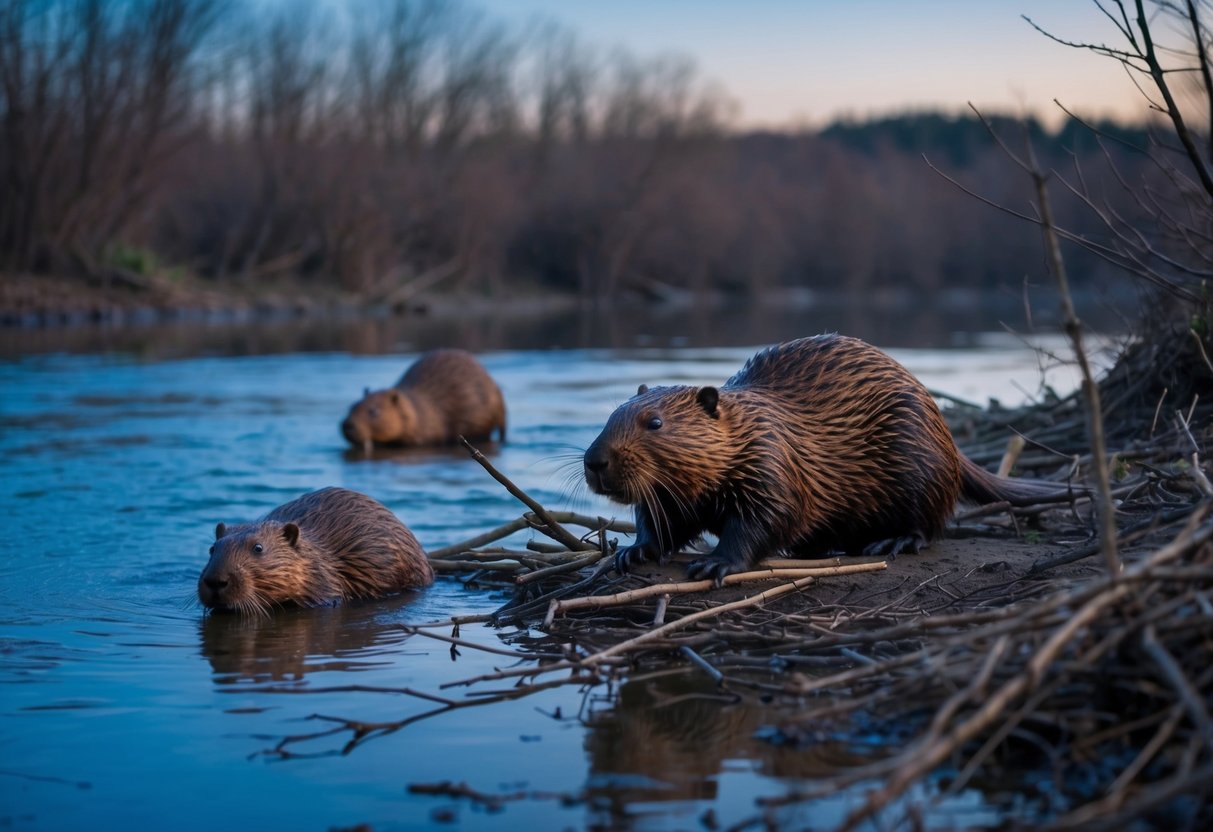
Beavers have a specific diet that consists mainly of plant material. They are herbivores, which means they eat a variety of vegetation. Understanding their eating habits can give you insight into how these creatures thrive in their environments.
What Beavers Eat
Beavers enjoy a diverse diet that includes tree bark, leaves, and aquatic plants. They particularly love the bark of trees like aspen, willow, and birch. These trees provide the necessary nutrients and are often abundant near water sources.
In addition to bark, beavers also consume tender shoots and roots. During different seasons, their diet may change slightly, as they find various food options. Foraging for fresh vegetation is crucial, especially to help them build fat reserves.
Foraging Techniques and Eating Habits
Beavers have interesting foraging techniques. They are mostly active at night, so they take advantage of the cooler temperatures.
As dusk approaches, they venture out to gather food. They use their strong teeth to gnaw through tree trunks and branches.
Beavers often store food in underwater caches. This helps keep their meals fresh and safe from other animals.
Their robust front teeth allow them to harvest tree bark efficiently. By chewing through the bark, they can access the nutritious inner layers.
This clever foraging behavior ensures they have a steady food supply throughout the year.


