
Bats are fascinating mammals that often make their homes close to us in residential areas. You might find them roosting in places like attics, barns, or even under bridges, where they feel safe and have easy access to food. These areas mimic their natural habitats, providing the cracks and crevices that bats love.
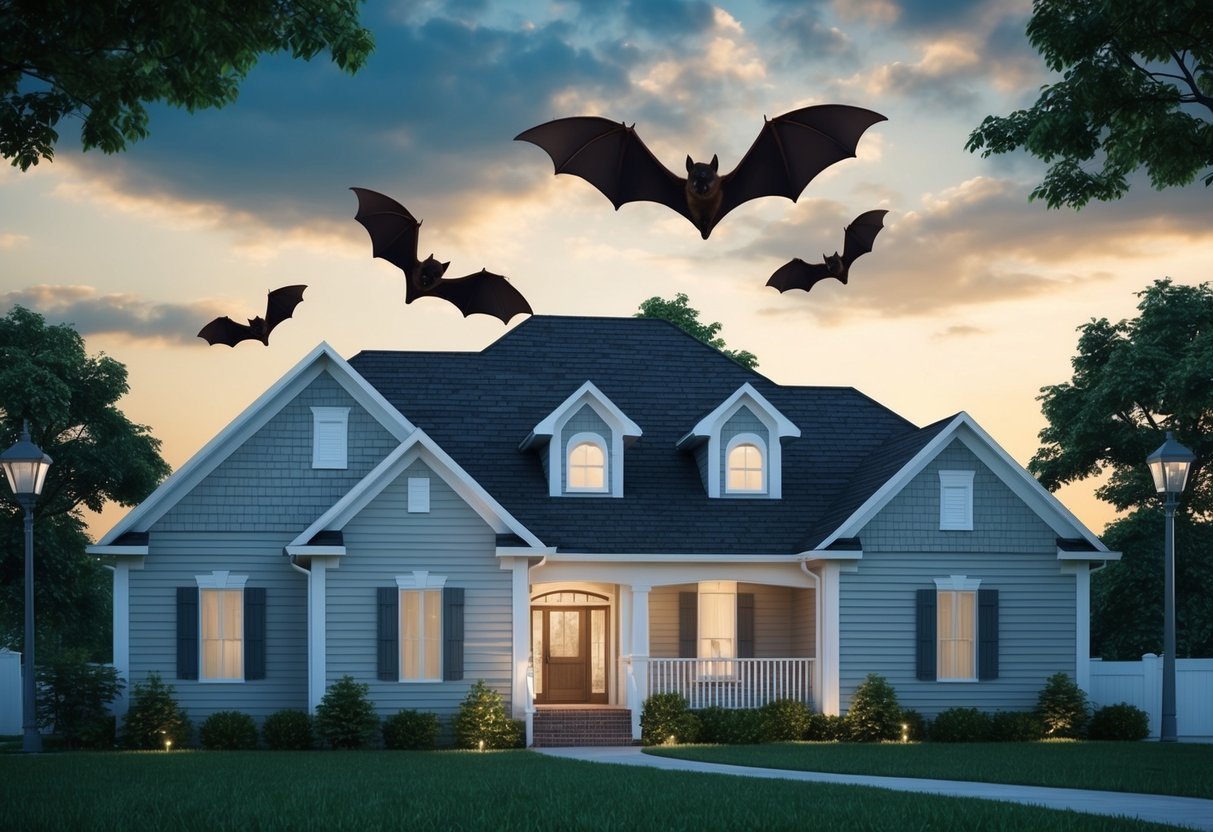
Understanding where bats live can be important if you want to coexist with these creatures. They thrive in places with a steady food supply, like insect-rich gardens. If you notice droppings or hear sounds in your attic, it might mean that bats have found a cozy spot in your home.
By learning about the places bats prefer to roost, you can discover how to keep your home bat-friendly while ensuring they don’t become a nuisance. Their unique lifestyle can add a touch of nature to your neighborhood, and knowing more about them can help you appreciate these often-misunderstood animals.
Understanding Bat Behavior and Habitat
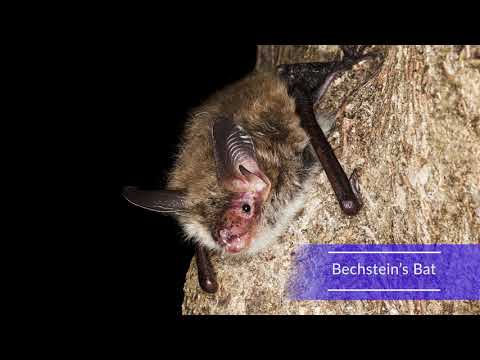
Bats are fascinating creatures that adapt well to residential areas. They have unique behaviors and preferences for roosting, which often overlap with where you live. Knowing about their habits can help you coexist peacefully with these beneficial animals.
Species-Specific Roosting Habits
Different bat species have distinct roosting preferences. For instance, the big brown bat typically favors attics, barns, and other human-made structures. In contrast, red bats often roost in trees, where they can blend in with leaves.
Bats like to roost in colonies, which provide warmth and safety in numbers. You may find these colonies in various places, from caves to bridges, depending on the species. Recognizing these habits can help you identify where bats might be setting up their homes near you.
Common Roost Sites in Residential Areas
In residential areas, bats commonly roost in structures like attics, eaves, and garages. They enjoy dark, warm spaces where they can feel secure.
You might also notice bats roosting in trees or under the eaves of your home. They prefer areas with easy access to insect populations, as this is their main food source. Be aware that old buildings with cavities or nearby water sources can become popular spots for these animals.
Migration and Seasonal Changes
Many bats migrate seasonally, seeking warmer climates during winter months. Some species travel to warmer tropical regions where food is abundant.
Understanding their migration patterns can help you prepare for their seasonal visits. As temperatures drop, you may find bats roosting closer to your home. Recognizing these changes allows you to take steps to ensure that both you and the bats remain safe and comfortable during their stay.
Bats and Human Interactions

Bats often find their way into residential areas, raising concerns for homeowners. Learning about how to manage bat interactions can lead to better outcomes for both people and bats.
Bat Infestations and Pest Control
Bats can sometimes roost in attics, eaves, or other structures, leading to potential infestations. Their presence might cause worries about health issues or property damage. It’s important to remember that bats are beneficial for controlling insect populations, as they consume large numbers of pests each night.
If you suspect a bat infestation, consider contacting professionals who specialize in pest control. They can safely remove bats and help seal entry points to prevent future visits. Avoid using harmful chemicals or traps, as these can harm bats and other wildlife. Instead, lean on humane methods, ensuring a win-win situation for your home and local bat populations.
Benefits of Bats to Ecosystems
Bats play a vital role in ecosystems. As insectivorous bats, they feast on pests like mosquitoes and beetles, benefiting your garden and reducing the need for pesticides. This natural pest control helps maintain a balanced ecosystem.
Moreover, some bat species are pollinators and seed dispersers. They assist in the growth of plants and crops, contributing to biodiversity. Understanding these benefits can help you appreciate the value of bats in your environment. They are not just creatures of the night but essential players in your local ecology.
Promoting Safe Coexistence
To coexist peacefully with bats, it’s essential to take a few proactive steps.
Start by ensuring your home is bat-proof. Seal any gaps or holes that might allow bats to enter. Using mesh screens or specialized bat-proofing materials can help keep them out.
Education is key in creating understanding. Inform your family and neighbors about the benefits of bats and how to address any issues. You can also plant bat-friendly gardens with native plants to support local wildlife.
If you come across bats, try to observe them from a distance. Enjoy their presence while respecting their role in the ecosystem. By promoting safe coexistence, you help maintain a healthy environment for both bats and your community.
Creating a Bat-Friendly Environment
Creating a welcoming habitat for bats in your yard is beneficial for both these creatures and your garden. You can focus on integrating natural roosts and using native plants to attract and support bat populations effectively.
Integrating Natural Roosts with Gardens
To attract bats, consider enhancing your yard with natural roosting spots. Leave dead trees standing, if safe. These can be fantastic homes for bats. The rough bark offers spaces for them to roost.
Man-made structures like bat houses are another great option. Place the bat house high (12-20 feet) on a pole or building. Ensure it faces south or southeast for sunlight. Bats are more likely to visit if they feel secure in their roosting spots.
Using Native Plants to Support Bat Populations
Incorporate native plants into your garden to create a healthy ecosystem. Native plants attract insects, which are food for bats. Select plants that bloom at different times to ensure a constant food source.
Avoid using pesticides, as these can harm both insects and bats. Instead, embrace natural pest control methods. By creating a diverse garden with native species, you not only help bats but also enrich your landscape. Your garden can serve as a vital resource for local bat populations, contributing to bat conservation efforts in your area.
Professional Bat Management
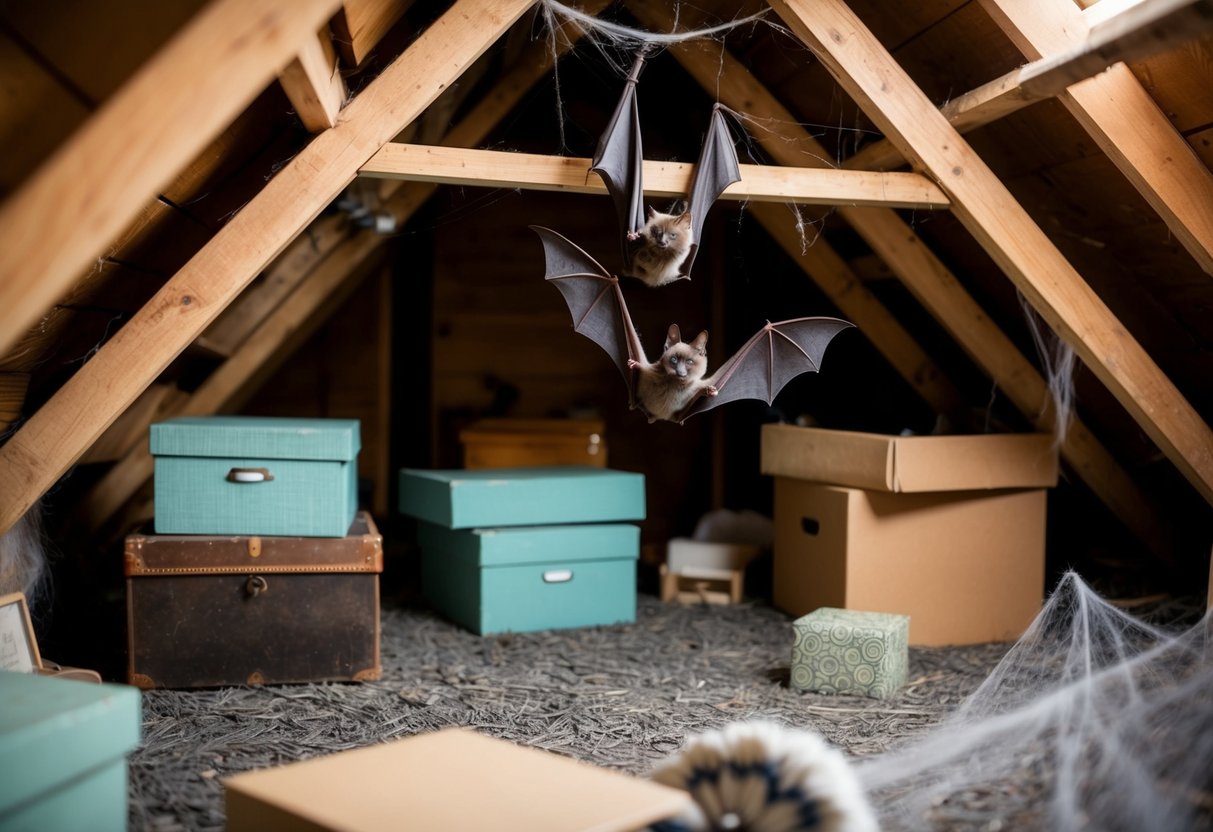
Managing bats in residential areas is important for safety and proper ecological balance. Using professional bat management services ensures bats are removed humanely and effectively while preventing future invasions.
The Process of Bat Exclusion
Bat exclusion is a safe and humane method that prevents bats from entering your home. A professional typically starts with a property inspection to identify potential entry points, such as gaps and holes as small as 5/16″ (8mm).
Once the entry points are identified, the expert seals them to block access. They might use materials like hardware cloth or caulking.
Next, they install one-way exclusion devices that allow bats to exit but not return. You’ll want to choose a time when bats are not in hibernation to reduce stress for the animals.
Throughout the process, safety gear is used to avoid contact with bat droppings, which can carry diseases. This ensures your home remains safe from wildlife issues.
Legislation and Ethical Bat Removal
In many places, bat removal is regulated to protect these important creatures. Laws often require that people don’t harm bats during removal. Ethical practices are key to compliance with these regulations.
Before starting work, professionals should inform you about any local laws related to bats. This is essential to ensure that the process aligns with wildlife protection efforts.
For example, some species of bats are endangered and cannot be removed until after their breeding season. You may want to ask about licensing and insurance to confirm they follow legal standards.
Choosing a licensed service not only safeguards you, but also helps conserve bat populations. This contributes positively to your local ecosystem.


