
If you’ve ever spotted a bat during the day in the UK, you might be wondering why they are out and about when they’re usually nocturnal. Bats can occasionally be seen flying in daylight, but it is unusual and often indicates something specific, like hunger or disruption of their natural habitat.
Observing these fascinating creatures during the day can be surprising, but it helps to understand their behavior and the factors that can lead to daytime activity.
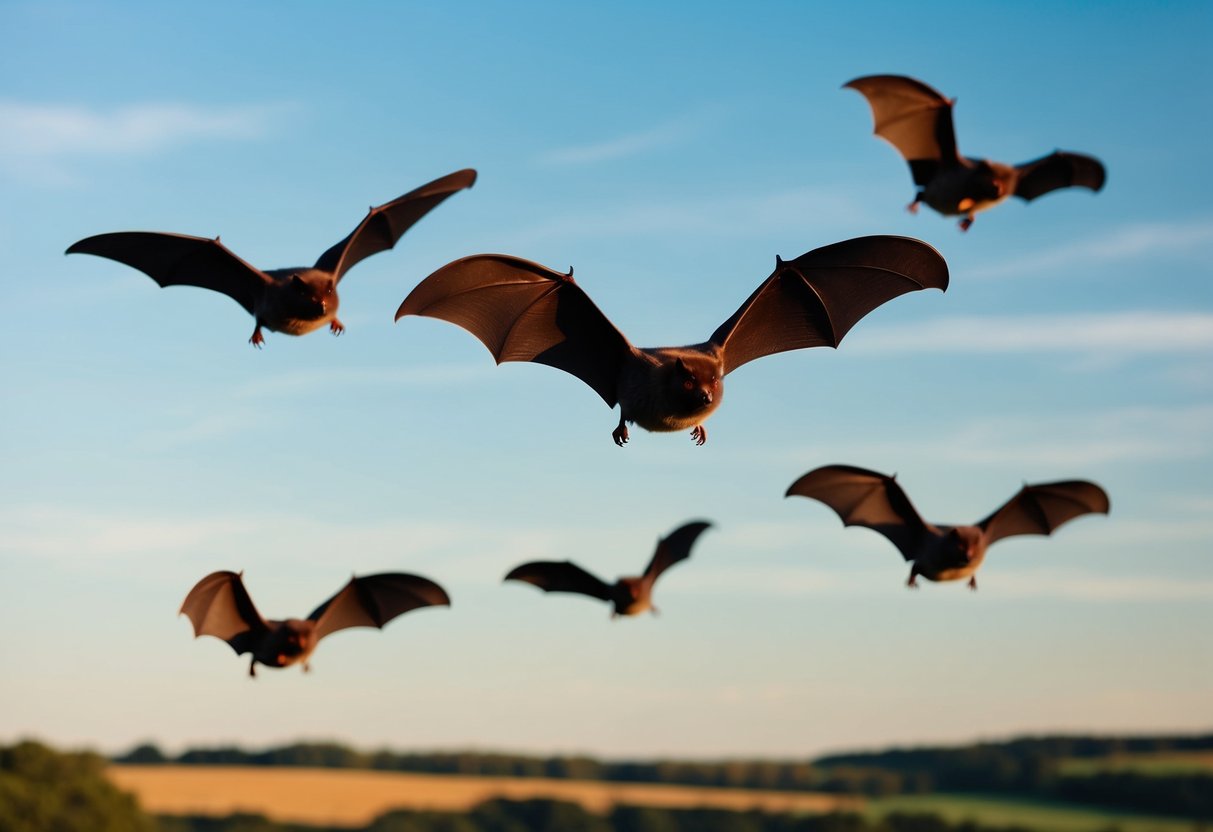
During the warmer months, bats in the UK are busy hunting for insects and may venture out for food when their usual foraging times overlap with daylight hours. Changes in weather or the availability of food can also push them out earlier than expected.
This daytime behavior can be linked to various environmental factors that affect wildlife, making it an interesting topic for nature enthusiasts.
If you’re intrigued by the unusual sight of bats flying around during the day, you’re not alone. Learning more about these remarkable creatures and their habits can deepen your appreciation for UK wildlife and the delicate balance that exists in nature. Keep reading to discover more about when and why you might see bats in the daylight!
Understanding Bat Behavior
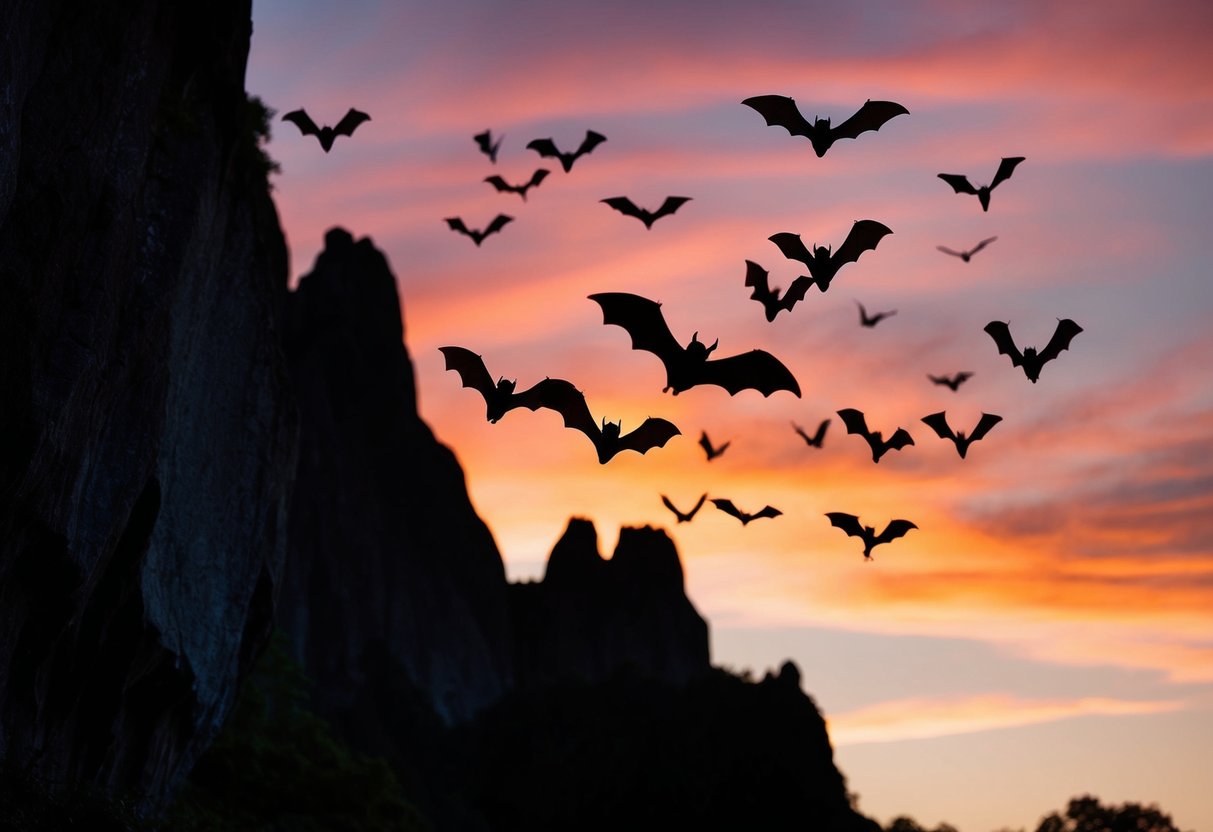
Bats have unique behaviors that help them thrive in their environments. Their activity patterns and choice of roosting locations are crucial for their survival. Knowing more about these behaviors can help you understand why you might see a bat during the day.
Nocturnal Patterns and Daylight Activity
Bats are primarily nocturnal, meaning they are most active at night. They use echolocation to find food and navigate in the dark. This ability enables them to hunt insects efficiently.
Seeing a bat during the day is rare but can happen. Various factors may drive a bat to venture out in sunlight. For instance, a hungry female bat may risk daylight activity to feed her young. Similarly, during hot summers, bats may venture out to find water.
Even though they may fly during the day, bats are at a higher risk of predation from birds and other animals. Therefore, their activity is largely centered around night hours for safety.
The Importance of Roosts
Roosts are essential for bats to rest and find shelter. These secure spots protect them from predators and harsh weather. Bats typically roost in trees, caves, or man-made structures.
Roosts also play a significant role in their daily routine. During the day, you will find bats sleeping in these safe locations. Here, they can rest and conserve energy for nighttime feeding.
Human activity, such as construction or tree removal, can disrupt bat habitats. This disruption can force bats to search for new roosts, which may impact their behavior and survival. Therefore, safeguarding roosting areas is crucial for bat conservation.
Seasonal Changes in Bat Activity
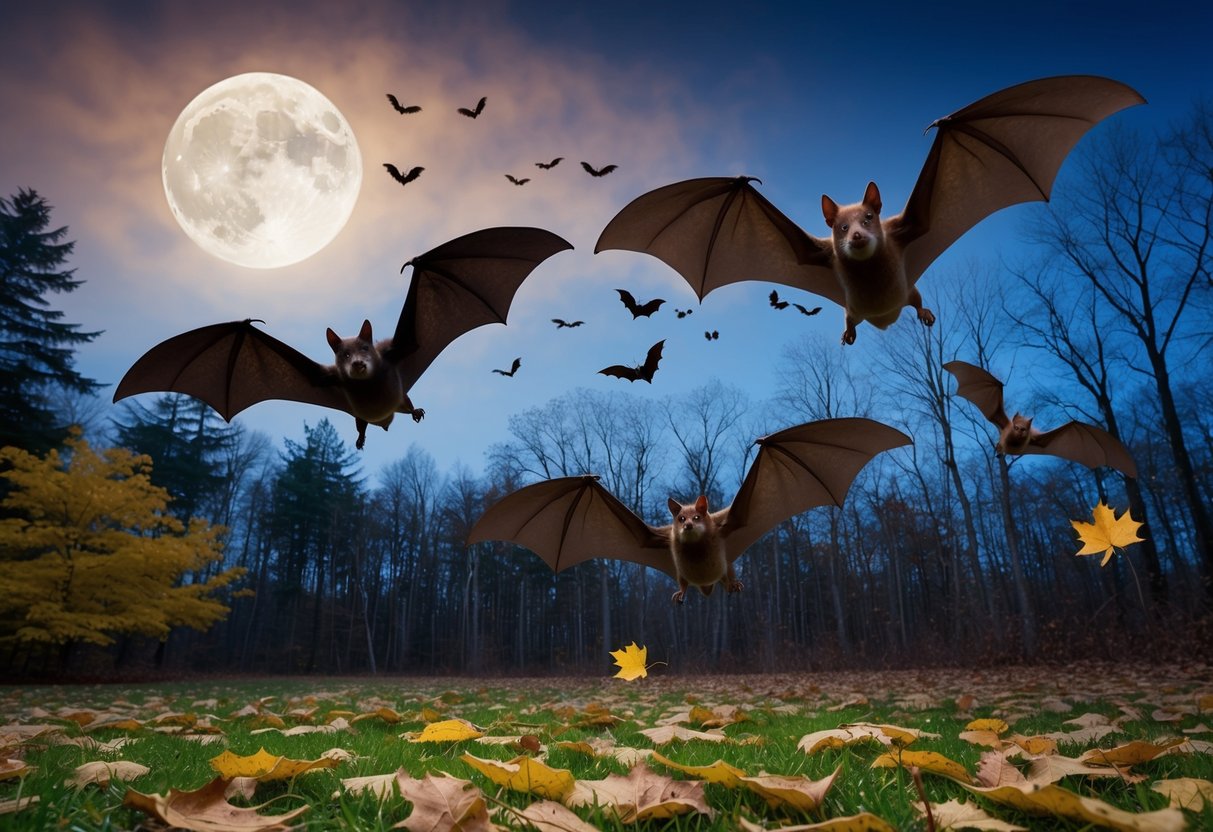
Bats experience distinct seasonal changes that significantly affect their activity. Their behaviors shift dramatically between winter hibernation and summer foraging, each phase essential for their survival.
Winter Hibernation and Fat Reserves
In winter, bats enter a state called hibernation to survive the cold months. During this time, they lower their body temperature and metabolic rate. This helps them conserve energy.
Bats rely on fat reserves built up during warmer months. They can lose a significant amount of body weight while hibernating. The drop in body temperature can be as low as 0°C to 5°C.
If the winter is mild, you might see some bats emerge occasionally. They may wake briefly to feed if conditions are favorable. However, most remain in torpor, a state of reduced metabolic activity, until warmer temperatures return.
Summer Months and Foraging
As spring rolls into summer, bats become much more active. They emerge from hibernation, eager to find food and replenish their energy. This is a busy time for them.
In summer, bats primarily forage for insects. Their hunting is especially effective at dusk and dawn when insects are most abundant. They can cover large areas, moving between multiple roosts as they search for food.
Being nocturnal, bats have adapted to hunt in the dark. They rely on echolocation to find prey, navigating expertly through their environment. This active summer behavior is crucial for building up fat reserves again for the next winter.
Bat Habitats and Conservation Efforts

Bats play a crucial role in our ecosystems. They provide benefits like pest control and pollination, which help maintain biodiversity. Many species rely on specific habitats, while conservation efforts aim to protect these areas for future generations.
Diverse Bat Species and Their Ecosystems
In the UK, you can find several bat species, each with unique preferences. For example, the common pipistrelle prefers urban areas with plenty of gardens, while the whiskered bat often roosts in trees and woodlands. These diverse habitats support different ecosystems.
Bats forage in various places, including caves, forests, and parks. Each habitat type contributes to their feeding habits and mating. Bats are also significant for pollinating plants and dispersing seeds, enhancing the biodiversity of their environments.
Human Impact on Bats
Human activities significantly affect bat populations. Habitat loss due to urban development, deforestation, and agricultural expansion reduces their natural roosting and feeding areas. This puts pressure on UK bat species, making it crucial to recognize and protect their habitats.
Additionally, diseases like white-nose syndrome have been devastating for certain populations. As you interact with nature, it’s essential to remember that your actions can impact bats and their ecosystems.
Legal Protection and Bat Care
In the UK, you are protected by the Wildlife and Countryside Act. This law safeguards various bat species, making it illegal to harm or disturb them. Organizations like the Bat Conservation Trust work tirelessly to promote bat care and conservation. They encourage you to create friendly bat environments.
You can help by installing bat boxes in your garden or supporting local conservation efforts. Planting flowers that attract insects also creates a friendly space for bats. Your actions can contribute to maintaining healthy bat populations and preserving biodiversity in your area.
Reproduction and Growth of Bats
Bats have unique reproductive habits that help ensure the survival of their young. Understanding these processes gives you insight into their lives and how they thrive in different environments.
Birth and Development of Baby Bats
Female bats typically give birth to one pup each year, though some species can have twins. The birthing process usually occurs in a safe, warm roosting site.
After birth, baby bats are dependent on their mothers for food and care.
In the first few weeks of life, pups grow rapidly. They rely on their mother’s milk for nourishment.
Bat carers often take in orphaned or injured pups to ensure they receive the necessary care.
As baby bats grow stronger, they begin to explore their surroundings. They will eventually learn to fly and hunt for food, becoming independent within a few months.
This transition is crucial for maintaining healthy bat populations.


