
When you spot bees swarming around your house, it might feel unsettling, but honestly, there’s no reason to panic. Just stay calm, keep your distance, and reach out to a local beekeeper or pest control expert who knows how to handle the bees safely—without risking harm to you or the bees.
Usually, bees are just searching for a new place to live and, if you don’t bother them, they’ll leave you alone.

Sometimes, swarms just pass through and leave within a few hours or days. You can also do a few things to make your yard less tempting, like using natural repellents or keeping things tidy.
Knowing these basics helps you keep your family safe and figure out when to call in the pros.
Curious about why bees swarm or how to handle the situation without freaking out? Let’s get into some practical advice you can actually use.
Immediate Actions When You See Bees Swarming Around Your House

When you see bees swarming near your home, try to react thoughtfully to keep everyone safe. Stay calm, watch what the bees are doing, keep kids and pets indoors, and know when it’s time to call for help.
Stay Calm and Avoid Disturbing the Swarm
Bee swarms usually won’t attack unless they feel threatened. Don’t wave your arms or shout near the bees.
If you stay relaxed, you lower the odds of the bees getting defensive.
Keep at least 15 feet away from the swarm. Don’t use sprays, sticks, or try to knock the bees away.
Most swarming honey bees just need a break and are looking for a new place to live.
If you stay still and quiet, you’re much less likely to get stung.
Identify the Type of Bee and Swarm Behavior
Most bee swarms you’ll see are honeybees—usually European honey bees, and only rarely Africanized ones. During swarming, honey bees focus on finding a new home and generally ignore people.
Watch their behavior. If they’re clustered on a branch or wall and not flying around aggressively, that’s a good sign.
Africanized honey bees can be more defensive, but honestly, they’re not common in most areas.
Don’t try to catch or move the swarm unless you’re absolutely sure they’re honeybees. Mistaking wasps or other insects for bees could end badly.
Keep Pets and Children Indoors
Kids and pets are extra sensitive to bee stings. Keep them inside until the bees are gone.
Tell your kids to stay calm and not to run or swat at the bees if they see them.
Keep pets away too, since their quick movements might upset the bees.
If the swarm is hanging out near a door or window, close those areas off with screens or curtains so bees don’t wander inside.
When to Seek Help From a Professional
If the swarm sticks around your house or yard, it’s time to call a local beekeeper or bee removal specialist. These folks know how to move honey bee swarms without hurting anyone.
Don’t try to remove a swarm on your own. Doing it yourself can lead to stings and could harm the bees.
Look for services that mention honey bee removal specifically. That way, you know they’ll handle things gently and protect the hive.
Getting help early stops the swarm from turning into a permanent hive, which is a much bigger headache later.
Safe and Effective Methods to Get Bees Away From Your Home
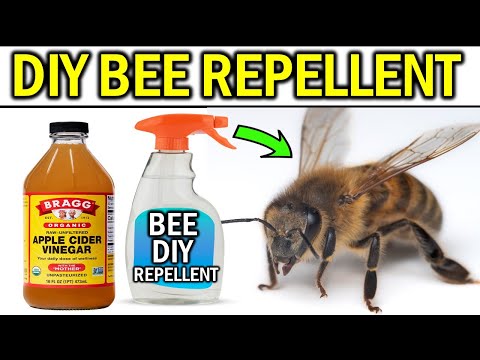
If bees are swarming near your house, you’ll want safe ways to keep them away—without hurting yourself or the bees. You can use natural repellents, block their entry points, and know when it’s time to call for help.
Natural Bee Deterrents and Repellents
Some scents and plants can make bees think twice about hanging around. Try cinnamon, vinegar, citronella, or mothballs as natural options.
Planting things like mint, eucalyptus, or wormwood near doors and windows can help too.
Skip the harsh insecticides. Natural methods don’t kill bees—they just make your place less interesting.
Bees like bumble bees and carpenter bees pollinate our plants, so it’s better to gently nudge them to leave.
Some people mix essential oils like peppermint or lemon with water and spray it around patios or doors. It’s a simple way to create a scent barrier.
Securing and Bee-Proofing Your Home
Bees sneak in through tiny cracks, gaps, chimneys, or vents. Check your house and seal up any openings with caulk or mesh.
Make sure window screens fit snugly, and patch any holes in vents or chimneys.
Keep flower beds and veggie gardens a bit away from the house. That way, you don’t lure bees right up to your door.
Carpenter bees like to burrow into wood, so paint or treat exposed wood to keep them out. Remove old stumps and wood piles from near your home too.
By closing off access and cutting down on attractants, you make your house a less appealing spot for a bee colony.
When and How to Contact Local Beekeepers or Bee Removal Services
If you spot a honey bee hive or a big swarm near your home—or worse, inside your walls—go ahead and call a local beekeeper or a professional bee removal specialist.
These folks know exactly how to relocate the whole colony safely, and they don’t hurt the bees in the process.
Don’t try to remove a large hive yourself. Messing with bees can make them defensive, and honestly, nobody wants to deal with more stings than necessary.
A lot of beekeepers actually enjoy rescuing bees, since bees do so much for the environment.
If you’re allergic or just not sure how to handle bees, don’t wait too long to reach out. Experts can also give you tips to keep new hives from popping up again.


