Ever wondered if bees can show affection to humans, sort of like pets do? While bees don’t really have feelings like we do, they can actually recognize and remember human faces, which lets them build a kind of trust with people. This clever trick helps them figure out who’s a friend and who’s not, so your encounters with them might be friendlier than you’d expect.
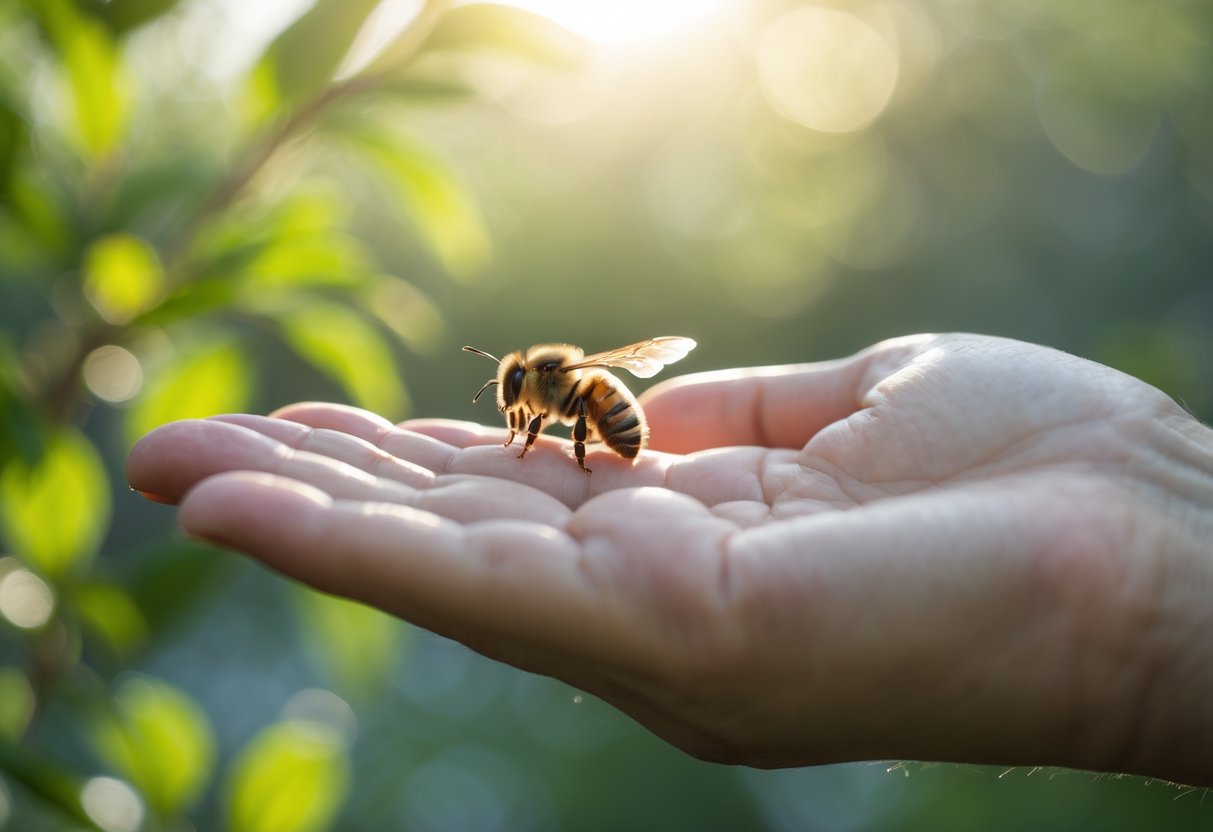
You can’t exactly snuggle with bees, but learning how they see and react to you might just change how you feel about these little helpers. Curious about how bees connect with people beyond just buzzing around? Let’s dig into what science says about their surprising behaviors.
How Bees Interact With Humans: Affection, Recognition, And Communication

Bees interact with humans in ways that might surprise you. They recognize faces, react differently to people, and use their own unique signals to communicate.
Understanding these behaviors can help you connect better with bees, especially if you spend time around them.
Can Bees Show Affection To Humans?
Bees don’t show affection the way pets do, but they definitely notice familiar people. If you hang out near a hive often, bees start to act calmer around you.
They learn to recognize you and stop seeing you as a threat. That’s pretty wild, right?
Studies show that gentle, calm treatment reduces stress in bee colonies. When bees get used to friendly handling, they show less anxiety and more social behavior.
So, while bees don’t feel the same way we do, they form a kind of bond with people they see often. Treat bees with kindness, and you’ll usually see them acting less defensive.
Bee Recognition Of Humans And Beekeepers
Honey bees recognize individual human faces, which is honestly impressive for such tiny creatures. Researchers found bees can remember faces for at least two days.
They don’t see faces exactly like we do—they piece together features like eyes and mouths to make a pattern.
If you’re a beekeeper, this is great news. Your bees know you as a regular visitor, and they can spot you apart from strangers.
That recognition helps make your work safer, since bees are less likely to sting someone familiar. Bees use these skills for finding food and remembering locations, so recognizing you just fits into how they already think.
Bee Communication Methods With Humans
Bees mostly talk to each other with body language and chemical signals. You might’ve heard of the waggle dance, where worker bees show others where to find food.
They don’t exactly “talk” to us, but they do respond to our actions. Bees notice visual patterns and body movements, and they sense the chemicals you give off.
Still, they rely more on sight when it comes to recognizing friendly people. If you move calmly and avoid sudden gestures, you’ll find bees stay calmer too.
Friendly, slow movements help you communicate without words. Just being there, acting safe, tells bees you’re not a threat.
That keeps both you and the bees more relaxed during your time together.
Want more details? Check out this article on bee recognition and bonding.
Building Positive Bee-Human Relationships And Supporting Bees

You can help bees out by learning how to care for them safely, planting things they love, and keeping their environment free from harmful chemicals.
Even small choices in your garden or how you handle pests make a real difference for bee health and their chances to thrive nearby.
Responsible Beekeeping Practices For Trust-Building
If you keep bees, your actions matter a lot for their health and how they treat you. Handle them gently to keep stress low.
Wear protective gear, but always move calmly and slowly around the hives to avoid startling them.
Check hives regularly for pests or disease, and make sure they have clean water nearby. Skip harsh chemicals inside hives, since those can harm the colony.
When food is scarce, offer natural supplements to help them stay strong.
Building trust takes time. Bees might start to recognize you and act less aggressive after a while.
Responsible beekeeping means you and your bees can share a safer, happier relationship—and you’ll be helping them do their job as pollinators.
Creating A Bee-Friendly Garden At Home
Your garden can be a haven for bees if you make a few simple changes. Plant a mix of native flowers that bloom at different times, so bees always have something to eat.
Go for plants like lavender, sunflowers, and clover. Lawns with just grass aren’t much help for bees.
Add a shallow dish with stones for water, so bees can drink without drowning.
Try not to dig too much or disturb wild patches—bees need places to nest undisturbed. Leaving some bare soil helps ground-nesting bees too.
A bee-friendly garden boosts pollinators and helps local biodiversity.
The Importance Of Reducing Pesticide Use
Pesticides pose a big threat to bees. Even tiny amounts can mess with their ability to find food, get home, or reproduce.
Whenever you can, avoid using chemical pesticides in your garden or yard.
Pick natural pest control methods or organic products that don’t contain bee-harming chemicals like neonicotinoids. If you really need to use pesticides, apply them early in the morning or late in the evening when bees aren’t active.
Cutting back on pesticides protects your plants and keeps pollinators safe. Bees—and your garden—will thank you for it.
Bee Conservation And Integrated Pest Management
If you want to support bee populations, you’ve got to strike a balance between pest control and conservation. Integrated Pest Management (IPM) tries to do just that, mixing biological, physical, and chemical tools in ways that don’t put bees at risk.
Try bringing in natural predators like ladybugs or lacewings—they’re surprisingly effective. You can also use traps or simple barriers, and keep an eye on pest levels before deciding what to do next.
IPM really leans into prevention, not just spraying chemicals at every problem. When you focus on bee health with conservation and IPM, you’re building a safer, more resilient spot for bees.
That’s good news for your garden, and honestly, for the whole ecosystem. After all, pollination keeps so many crops and wild plants going.


