
If you spot bees buzzing near your house, try to stay calm and don’t make any sudden moves.
Just keep your distance and avoid disturbing them while you figure out where they’re coming from. That way, you stay safe and the bees won’t get agitated.

Check your place for cracks, gaps, or little openings that bees might use to sneak inside.
Seal those spots up to keep more bees from getting in.
If you find a hive or a swarm hanging out nearby, it’s a good idea to call a professional beekeeper. They can remove the bees safely and won’t hurt them.
You can keep bees away without harming them by trying natural repellents or getting rid of things that attract them, like sweet smells.
Learning how to deal with bees around your home helps protect your family and supports the important work bees do for our environment.
For more tips, check out what to do when bees are around your house.
Immediate Steps When Bees Are Around Your House
If bees show up near your home, try to stay calm and move carefully.
You’ll want to figure out what kind of bees you’re dealing with, how to handle swarms or hives, and when it’s time to get a professional involved.
How To Identify Bee Species Near Your Home
Knowing what type of bee you see can really help.
Honeybees are usually smaller, with golden stripes, and they move a bit slower.
Bumblebees look bigger and fuzzier.
Wasps and hornets might look similar, but they act more aggressive.
Listen for buzzing near windows or doors, and watch for bees slipping into tiny holes or cracks in your walls.
Honeybees sometimes form swarms—big clusters hanging from branches or eaves. That can look a little intimidating.
If you spot honeybees, remember they’re important pollinators.
Try not to swat at them or disturb their space, since that could make them defensive.
What To Do If You Spot a Bee Swarm or Hive
If you see a swarm, just keep your distance.
Swarms usually pass through while searching for a new home, and they don’t attack unless you bother them.
A hive on or in your house is a different story.
Don’t try to remove it yourself. Hives can be tricky and you might damage your property if you do it wrong.
Skip the sprays or chemicals—they’re dangerous for bees and pets.
Keep kids and pets away from the area.
Close windows and doors nearby so bees can’t get inside.
Stay calm and get rid of strong smells like perfume or food that might attract more bees.
Contacting Beekeepers for Safe Bee Removal
Honestly, your best bet is to call a local beekeeper or bee removal service.
Beekeepers know how to move honeybee swarms or hives without hurting the bees.
You can usually find them through community groups or online searches.
When you reach out, let them know where the bees are and roughly how many you see.
A professional can protect both your home and the bees, which really matter for the planet.
Beekeepers often relocate bees to a safer place, so they keep living and doing their thing.
For more info, check out these guides on safe bee removal and bee relocation.
Preventing Bees From Returning to Your House

If you want to keep bees from coming back, make your home less appealing and block off places where they might sneak in.
You can adjust your yard and use safe repellents to keep them away.
Understanding how honeybees, carpenter bees, and bumblebees behave helps you figure out the right steps.
Sealing Entry Points and Potential Nesting Sites
Take a good look around for cracks, gaps, or holes where bees could get inside.
Check windows, doors, vents, and chimneys.
Use caulk or weatherstripping to seal up small openings.
Cover vents with fine mesh, and fix any gaps in siding or roof eaves.
Carpenter bees love wood, so check decks or wooden siding for little holes and fill them with wood putty or sealant.
Don’t forget to remove any old nests or hive bits, since those can attract new swarms.
Inspect your home regularly, especially in spring and summer when bees get busy.
Yard and Home Modifications To Deter Bees
Trim back tree branches and bushes that are close to your house. That way, bees have fewer places to hide.
If you’re serious about keeping honeybees away, avoid planting bright, sweet-smelling flowers near your doors.
Seal compost bins and get rid of standing water.
Bees—especially honeybees and bumblebees—like water.
Wipe up spilled sugary drinks, pet food, or anything sweet left outside.
Use light-colored paint on your house, since dark colors can attract carpenter bees.
Fix or replace old wooden beams or decks that might look like a good nesting spot.
Safe Deterrents and Scent-Based Bee Repellents
Try planting bee-repellent plants like citronella, eucalyptus, or mint around your home.
These can help keep bees from settling too close without hurting them.
Burning citronella candles outside is another trick that can help.
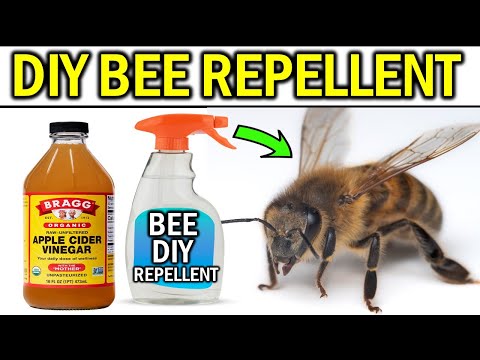
Spray natural mixes with essential oils—peppermint or cinnamon—around doors or garden spots.
Skip harsh chemicals that kill bees. They’re too important for nature.
Stick to gentle deterrents that make your home less tempting and keep pollinators safe.
Understanding the Role of Carpenter Bees and Bumblebees
Carpenter bees drill holes into wood to create their nests. They go for untreated or weathered wood most of the time.
If you notice these holes, grab some filler and patch them up. Paint the wood after to keep new bees from moving in.
Bumblebees usually build their nests underground, sometimes under bushes or in abandoned rodent holes. They might sound pretty loud, but honestly, bumblebees rarely act aggressively.
They’re also great for pollination, so it’s hard not to appreciate them. If you understand how these bees work, you can make better choices to keep them from nesting where you don’t want them.
With carpenter bees, keeping up with wood maintenance really matters. For bumblebees, it’s best to leave their ground nests alone and, if you have to, set up barriers or distractions further away from your house.
Want more details on sealing things up and keeping bees away? Check out this bee prevention guide.


