
If you spot a struggling bee, you might wonder what you should feed it. The quickest way to help tired or thirsty bees is to mix up a basic sugar water solution—just one part sugar and one part water.
This mixture gives bees an energy boost and doesn’t mess with their health.

When you care for a whole colony, you’ll want to use sugar syrup, pollen substitutes, or honey from your own hives. These options help keep bees going when flowers are in short supply.
Figuring out how and when to feed your bees really does matter. Your choices can mean the difference between a thriving colony and one that struggles.
Helping bees doesn’t have to be rocket science. Even small efforts matter more than you’d think.
Once you learn the basics, you’ll feel good about pitching in for these little pollinators. There’s a handy guide out there if you want to dive deeper into safe bee feeding.
Safe and Effective Ways to Feed Struggling Bees

Helping struggling bees takes a little care and the right stuff. It’s important to know when to feed them, how to make safe food, and what’s best for an individual bee versus a whole hive.
If you use good foods and simple methods, you’ll keep your bees healthier and give them a better shot at survival.
When to Offer Emergency Feeding
Feed your bees when they run low on nectar or pollen, especially in early spring or late fall. If you see fewer foragers or dead bees near the entrance, that’s a sign they need help.
Cold weather or a long stretch without flowers means it’s time to step in. Emergency feeding keeps them going until flowers bloom again.
Don’t overdo it, though. Too much feeding can attract robbers or pests.
Step-by-Step Guide for Sugar Water Preparation
Mix 1 part white sugar with 1 part warm water. Stir it up until the sugar disappears.
Skip honey or corn syrup—they might carry diseases or harm your bees.
For colonies, grab an entrance feeder or an internal hive feeder and set it up inside the hive. Change the sugar water every few days so it doesn’t go bad.
Stick with simple syrup instead of thick mixtures. Your bees will thank you.
Foods and Ingredients to Avoid
Don’t give your bees honey from the store or from other sources. It could carry diseases.
Skip corn syrup and high-fructose syrup, too. They mess with bee digestion and can weaken the hive.
Processed foods and artificial sweeteners are a no-go. They’re more likely to hurt bees than help.
Keep pesticides and chemicals away from your feeding area. Those can sneak into the food and harm your bees.
Supporting Individual Bees Versus Bee Colonies
For a single, tired bee, just put a drop of sugar water on a spoon or a leaf. You can use a cotton ball or sponge with water, too.
Only feed if the bee seems really exhausted—sometimes they’re just taking a breather.
For a colony, use hive feeders with sugar water or pollen substitutes. That helps the whole group stay strong for longer stretches.
Remember, feeding is just a temporary fix. Don’t rely on it for your hive’s long-term health.
You can find more tips in this feeding bee nutrition guide.
Nourishing Bee Populations Through Their Environment
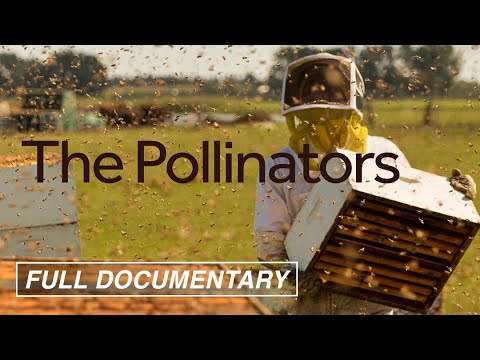
If you want to help struggling bees, focus on their natural food and the world around them. Bees do best when they have the right nectar, pollen, and bee bread, plus a good place to live.
You can make a difference by planting bee-friendly flowers, steering clear of chemicals, and being smart about how you feed.
The Role of Nectar, Pollen, and Bee Bread
Nectar gives bees energy. It’s full of sugars that keep them buzzing and warm.
Pollen matters just as much—it’s packed with protein and nutrients for growth and immune health.
Bees mix pollen with nectar and enzymes to create bee bread. They store it in the hive and feed it to young bees.
If bees don’t get enough nectar and pollen, the whole colony can weaken or even starve.
Try to keep natural food available all year. Pollen patties can help when pollen is scarce, but they’re not a replacement for the real thing.
Choosing Bee-Friendly Plants
Plant a mix of bee-friendly flowers so bees have food from spring through fall.
Great options include lavender, borage, echinacea, sunflowers, and mint. Native wildflowers work well, too—local bees already know them.
A variety of flowers gives bees different nutrients and keeps them healthier.
Skip planting big patches of just one crop. Diversity is better for bees and brings in other helpful insects.
Risks from Pesticides and Chemical Use
Pesticides—especially neonicotinoids—can really mess with bees. They affect the bees’ nerves, behavior, and even their ability to find food.
Chemicals build up over time and can wipe out colonies.
To protect your bees, don’t use harsh pesticides or herbicides near their home. Integrated pest management (IPM) is a safer way to handle pests.
If you have to use chemicals, pick bee-safe options and spray in the evening when bees aren’t out and about.
Practical Tips for Beekeepers
If you keep bees, you can help them by making sure they always have clean water nearby. Try planting flowers close to the hive—pick varieties that actually have plenty of nectar and pollen.
Check your hive’s food stores often. If you notice the bees are running low, you might need to step in with some sugar syrup or pollen patties for a bit, but honestly, nothing really beats natural pollen.
Don’t feed your bees junk food. Stick to good quality supplements if you have to use them at all.
Place your hives somewhere that’s free from pesticides. The less you bother the bees, the better—they really don’t like being disturbed for no reason.
Think about starting a pollinator garden or letting some wildflowers grow nearby. These little touches give your bees more safe places to find food, and they’ll thank you for it (well, in their own way).
If you want to dig deeper, check out more tips on improving bee nutrition and habitat at biologyinsights.com.


