
Ever spotted bees buzzing around your yard or noticed a hive tucked away somewhere nearby? You might wonder if they’ll just pack up and leave at some point. Bees usually go away on their own, but only if things like food, water, or temperature don’t suit them anymore. They tend to stick around as long as their home meets their needs.

Sometimes bees move on because it gets too crowded or the weather turns chilly. But if your yard is full of flowers and offers a safe spot, they might decide to stay for a good while.
If you get why and when bees leave, you’ll have an easier time deciding whether to just wait it out or actually do something. Understanding bee behavior can help you keep both your space and the bees safe.
Bees often leave on their own, but it really depends on a few factors. If you want more details about when bees decide to move on, check out this article on Will Bees Go Away On Their Own.
Will Bees Go Away on Their Own?

Bees sometimes pick up and leave a spot, but it depends on their habits and what’s happening around them. If you know how bees act when they swarm or settle, you’ll have a better shot at figuring out if they’ll move on or stick around.
You’ll also spot some signs that show bees are probably there to stay.
Temporary Bee Swarms and Their Behavior
When bees swarm, they usually gather in a temporary spot like a tree branch. This happens if a hive gets too crowded.
The queen and a bunch of worker bees leave to look for a new home. Scout bees fly out to check for good locations nearby.
While they’re waiting, the swarm just hangs out—they’re not building a nest yet. Sometimes they stay for a few hours, sometimes a few days.
If you see a swarm in your yard, there’s a good chance they’ll leave once the scouts find a new place. It’s a normal part of bee life and usually not a lasting issue.
Factors Influencing Bees to Leave Naturally
Bees move on if food or water gets scarce. Bad weather or cold temperatures can also make them leave.
When a hive gets too crowded, some bees split off and swarm to find more space. If something attacks or seriously disturbs the hive, bees might abandon it altogether.
But if there’s enough food, shelter, and the weather’s good, bees will probably stick around. They won’t leave just because you want them to, honestly.
You’ll need to pay attention to what’s happening around the hive to figure out if they might go away without any help.
Signs Bees Have Settled Permanently
Bees that have really moved in act differently than a temporary swarm. You’ll see them zipping in and out, carrying pollen and nectar.
You might spot honeycomb, or notice the hive looks pretty well built. If they’ve been there for weeks or start defending the area, they’re probably there for good.
You might need expert help to remove them safely if they’re established. Spotting these signs helps you figure out what to do next and keeps you from messing with a healthy colony.
If you want more on bee swarms and why they leave, check out irescuebees.com’s explanation about bee swarms.
What to Do If Bees Don’t Leave by Themselves
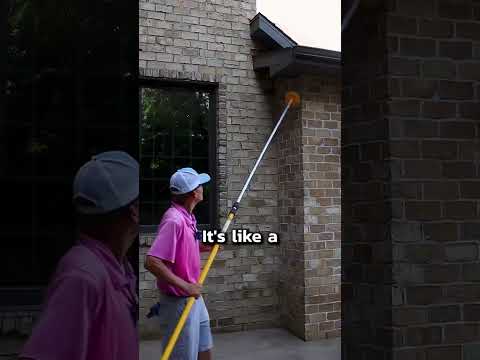
If bees aren’t leaving, you’ll need to decide if you should wait it out or take action. Safe removal methods keep both you and the bees protected.
Knowing when to call a beekeeper can really make things easier.
Risks of Waiting for Bees to Leave
Waiting for bees to leave can sometimes backfire. If they’ve got enough food, a cozy spot, or it’s just not the right season, they might stick around for weeks or even months.
A hive in your tree or on your property can be risky, especially if you have kids or pets. Bees might get defensive if disturbed, which could lead to stings.
If you wait too long, the hive could get bigger and harder to remove. Bees sometimes build honeycomb inside walls or trees, and that can damage your property.
If the bees don’t leave, the hive might draw in other pests or start to smell as honey and wax pile up.
Safe Bee Removal Options
If you decide it’s time to act, go for removal methods that won’t kill honeybees. Try blocking off entry points or using smoke to nudge bees out of a tree or structure.
But honestly, these tricks don’t always work. Live removal is a popular option—experts collect and move the bees somewhere safe.
That way, you get rid of the bees without harming them, and you help keep honeybee populations strong for pollination. DIY kits exist, but you’ve got to handle them with care to avoid agitating the bees.
Professional bee removal services can figure out the best approach for your situation. Some use special traps and gear to safely get bees off your property.
When to Consult a Beekeeper
So, you’ve spotted bees in a tree or buzzing around your place? Reaching out to a beekeeper is usually your safest bet.
Beekeepers actually know what they’re doing when it comes to moving and relocating honeybees. They don’t hurt the bees, which is honestly a relief.
Most of the time, they’ll move the whole hive—queen and all—to a new spot. That way, the bees can keep making honey somewhere safer.
If you’re hoping to save the bees or the hive is tucked away somewhere weird, like inside a wall or up in a tree, a beekeeper can give you advice. They’ve seen it all, really.
Want to avoid stings or wrecking your property? Yeah, calling a beekeeper makes sense. A lot of them even offer removal for free, or close to it, since they care about keeping bee populations healthy.
Besides, using a beekeeper just feels better for the environment. You solve your bee issue and help the bees at the same time.


