
So, you’ve just spotted a deer wandering through your garden. First things first—try not to panic.
Give it space. Watch what it does, and let it move along if it wants.

If the deer hangs around, you can try scaring it off. People usually clap, shout, or flip on some lights to get it moving.
Once it leaves, take a look at your plants and see if there’s any damage. That’s when you can figure out if you need to put up a fence, use repellents, or maybe switch to plants deer don’t like.
This post covers how to spot signs of deer, check for damage, and use practical steps to keep them out for good.
How to Identify Deer Presence and Damage in Your Garden

You’ll want to look for obvious signs that deer have come through. Check for trails, droppings, and damage on plants close to the ground.
Common Signs of Deer Activity
You might notice small piles of droppings near places where deer eat. They look a bit like big jellybeans and usually show up in clumps.
Walk around your yard early in the morning or just before dark. If you see narrow, beaten-down paths in the grass or mulch, deer probably made them.
Check for hoof prints in soft dirt or mud. Deer leave heart-shaped tracks, about 2–3 inches long if you’re in an area with white-tailed deer.
Sometimes you’ll spot deer hair stuck on fences or bushes. Flattened grass can show where a deer laid down for a bit.
Recognizing Deer Damage on Plants and Trees
Deer eat stems and leaves and leave behind torn or clipped ends. If your roses or tulips suddenly disappear, deer probably did it.
Young fruit trees and shrubs sometimes lose bark at chest height. Bucks rub their antlers or does nibble bark when food is scarce.
Missing buds on hydrangeas or nibbled lettuce and beans mean deer came for a snack. They always seem to go for the new growth first.
If you find trampled plants or broken branches on low shrubs, deer probably pushed through. Snapping a few before-and-after photos can help you spot repeat visits.
Deer Species Differences and Their Garden Behaviors
White-tailed deer show up in gardens all over the U.S. They love tender shoots, fruit trees, roses, and veggies like lettuce and beans.
Usually, they feed at night. Sometimes, they’ll venture out at dawn or dusk if things are quiet.
Mule deer live out west and eat garden plants too. They might graze during the day in places where people aren’t around much.
Bucks leave marks on young trees during mating season. You’ll see bark rubbed high up on trunks.
Does and young deer stick to low plants like hostas. If you want to know which deer you’re dealing with, check local wildlife guides or compare tracks and antler marks.
Effective Strategies to Keep Deer Out of Your Garden
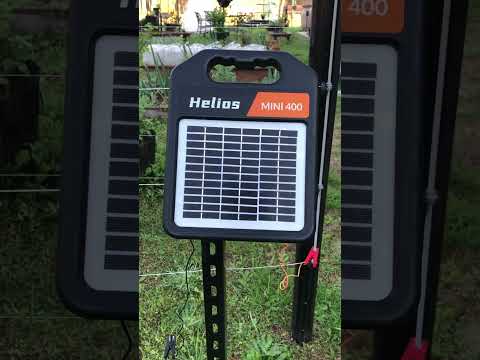
You’ll get the best results if you mix a few different tactics. Fences, smart plant choices, repellents, and a good layout all help.
Building and Choosing Physical Barriers
A tall, solid fence works best. Put up woven wire or mesh at least 8 feet high.
If you don’t want a big fence, you can try two shorter fences (about 4–5 feet tall) spaced apart. That blocks deer from jumping over.
Make sure there aren’t any gaps at the bottom where deer could sneak in.
You can use deer netting or put a framed dome over small garden beds. Electric fencing works too, but check your local rules and use warning signs.
Sturdy posts and tightly tied mesh help keep fences strong.
Try adding thorny hedges like barberry or holly. Raised beds with tall sides or cages around young trees can also help.
Walk your fence line now and then and fix any holes quickly.
Selecting and Planting Deer-Resistant Plants
Pick plants that deer don’t like for your borders and empty spots. Herbs like lavender, rosemary, thyme, oregano, sage, and catmint work well. Marigolds are another good choice.
Plant strong-smelling herbs close to your favorite plants. That can hide scents that attract deer.
For bulbs and perennials, go for daffodils, alliums, hellebores, and Russian sage. Ornamental grasses and boxwood hedges add some texture and make for a decent barrier.
Group plants by what deer prefer. Put your most vulnerable ones—like daylilies or hydrangeas—inside a ring of deer-resistant choices.
Swap out plants seasonally and replace anything that deer start to eat.
Natural and Homemade Deer Repellents
Sprays with strong smells can help, but you need to reapply them after rain. You can mix water with garlic, hot pepper, or mild soap for a quick homemade spray.
Spray leaves and stems about once a week.
Store-bought repellents, like liquid fence or products made from egg solids, create odors deer don’t like. Follow the directions and keep pets away until everything dries.
Try predator decoys, like fake coyotes or owls. Motion-activated lights or sprinklers can surprise deer and send them running.
Move decoys and gadgets around so deer don’t get used to them. Change up your repellents every so often for the best shot at keeping deer away.
Smart Garden Design and Maintenance Tips
Try putting feeders or bait plants far from your main garden to pull deer away. If you want, you can set up a sacrificial feeding area, but keep it well out of the way.
Tidy up the garden by picking up fallen fruit and locking down your compost. Trim lower branches so deer can’t sneak in or reach anything tasty.
Plant herbs or other strong-smelling plants right next to your tender veggies. This way, you’ll create a scent barrier that might actually keep deer from getting too curious.
Lay out paths and keep sightlines open—motion sensors and lights need a clear shot to work well. After storms or during those times when deer wander more, check your fences, netting, and repellents to make sure everything’s still doing its job.


