
Finding a bat in your house can be a surprising and stressful experience. Remember that bats usually want to avoid you just as much as you want to avoid them. They often hide in small, dark places and can be tricky to locate.

If you can’t find the bat, start by closing off the room it’s in and turn off all the lights. Bats are naturally attracted to darkness, so this might help encourage it to come out. Be patient and give it some time to move around.
Don’t rush to catch the bat or panic about where it could be. Instead, focus on making the environment safe for both you and the bat.
If it remains hidden for too long or if you feel unsure about handling the situation, consider reaching out to a wildlife professional.
Understanding Bats and Health Risks

Bats play an important role in ecosystems, but they can also pose health risks, especially if you find one in your home. Knowing which species are common in houses and understanding the dangers of rabies can help you stay safe.
Common Bat Species in Homes
In the U.S., the most common bat species that may enter your home include the little brown bat and the big brown bat. These bats seek shelter in attics, chimneys, and wall voids.
Bats can fit through tiny openings, even as small as ¼ inch. They often choose dark, quiet places to roost. If you suspect a bat is in your home, look around these areas.
While they are generally harmless, it’s smart to keep your distance. Remember, bats are protected by law in many areas. It’s best to call professionals for safe removal.
Rabies and Bat Bites
Rabies is a serious viral disease that can be transmitted through bat bites. If a bat bites you, it’s crucial to wash the wound with soap and water right away. Contact your doctor immediately for advice.
The risk of rabies in bats is relatively low, but it’s always better to be safe. If you find a bat in your home, do not attempt to handle it.
If you are bitten, follow established bat rabies protocols. This may include getting a rabies vaccination. Staying calm and informed can prevent serious health issues from arising.
Immediate Actions Upon Discovery
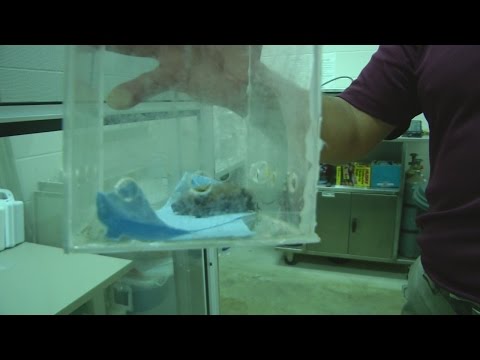
Finding a bat in your house can be unsettling, but knowing what to do next is important. Focus on safety first and then take steps to locate the bat.
Safety Precautions
When you discover a bat, your first priority should be safety. Keep calm and stay away from the bat. Bats can carry illnesses, so avoid direct contact.
Make sure to wear leather gloves if you need to handle anything that may have touched the bat.
Close doors and windows to keep the bat contained in one area.
If you have pets, secure them in a separate room to prevent any accidents.
By taking these precautions, you help ensure the safety of yourself and your loved ones as you prepare to deal with the situation.
Locating the Bat
Next, you want to locate the bat without scaring it. Start by turning off any lights in the room to encourage the bat to fly towards a window or door.
Open windows and doors that lead outside to give the bat an escape route.
Listen closely for any sounds, such as squeaking or fluttering, to help you pinpoint its location.
If the bat doesn’t leave after a few hours, consider contacting a professional for bat removal. They can safely handle the situation, ensuring minimal stress for both you and the bat.
If you find the bat resting, avoid disturbing it. Instead, give it space as it decides to leave. Your patience can make a difference in how this situation unfolds.
Professional Bat Removal and Prevention

When dealing with a bat in your house, professional help can be a safe and effective choice. There are specific actions you can take to ensure removal and prevention of future intrusions. Here are the main steps to consider.
Contacting Pest Control
If you can’t find the bat or it’s causing you worry, contacting pest control is a smart move. Trained professionals know how to handle bats safely and humanely. They will assess your home to identify how the bat got in and where it might be hiding. A pest control expert will also have the right equipment and techniques to remove the bat without harm to you or the animal.
Make sure to choose a company that specializes in wildlife removal. They may offer follow-up services to ensure bats do not return. Always ask about their methods to guarantee they use humane practices.
Installing Bat Houses
Installing bat houses around your property can be an excellent way to encourage bats to live nearby rather than in your home. Bat houses provide safe spaces for bats to roost. This can help keep these helpful creatures away from your attic or walls while still allowing them to benefit your yard.
When placing bat houses, choose a sunny location that is at least 12-20 feet off the ground. Make sure it’s near a water source and protected from strong winds. With bat houses, you can help the local bat population while minimizing the chances of uninvited guests in your living space.
Prevent Future Intrusions
Preventive measures are crucial to keep bats from coming back. Start by inspecting your home for potential entry points. Common spots include gaps around vents, chimneys, and eaves. Seal any cracks or holes with appropriate materials like caulk or mesh.
You can also trim tree branches near your home to reduce access. Installing one-way exclusion devices can let bats exit while preventing their return. Consider consulting with pest management professionals to set up long-term prevention strategies tailored to your situation.
Cleaning and Health Considerations

If there’s a bat in your home, proper cleaning and health precautions are crucial for your safety. Bats can leave behind droppings known as guano, which may pose health risks. Here’s what to know about handling guano and involving health authorities when necessary.
Handling Guano and Droppings
When you find bat guano in your home, it’s important to handle it carefully. Bat droppings can carry diseases, so take precautions. Wear gloves, a mask, and goggles when you clean up.
-
Use a Dustpan and Brush: Gently sweep the droppings into a dustpan. Avoid stirring up dust.
-
Disinfect the Area: After collecting the droppings, spray the area with a mixture of water and bleach (1:10 ratio). This helps kill any harmful pathogens.
-
Seal the Waste: Place the collected guano in a sealed plastic bag before disposal.
-
Wash Your Hands: After you finish cleaning, wash your hands thoroughly with soap and water.
Keeping your space clean is essential for avoiding health risks associated with bat guano.
Health Department Involvement
If you have concerns about bat droppings or your health, it’s wise to reach out to your local health department. They can provide guidance tailored to your situation.
-
Report the Incident: Inform them about the bat sighting and droppings. They might send someone to inspect your home.
-
Follow Their Advice: Health officials can advise you on any health risks and recommend proper cleaning protocols.
-
Know the Risks: Bat droppings can carry diseases like histoplasmosis. Proper reporting ensures you stay informed about potential health issues.
Involving your health department can give you peace of mind and ensure you’re taking the right steps to keep your home safe.


