
Encountering a raccoon can be startling, especially if it starts to chase you. These opportunistic and intelligent creatures are often driven by curiosity, which can lead to unexpected encounters. If a raccoon chases you, the best response is to stay calm and slowly back away without turning your back on it. This gives the raccoon space to feel safe and often helps de-escalate the situation.

Understanding raccoon behavior is key. They are generally more curious than aggressive, so knowing how to react can help you navigate these encounters safely.
Keeping your distance and avoiding sudden movements will often prevent the raccoon from viewing you as a threat.
Being prepared for a potential raccoon encounter will make you feel more confident. The more you know about these fascinating animals, the better equipped you’ll be to handle any situation.
Understanding Raccoon Behavior
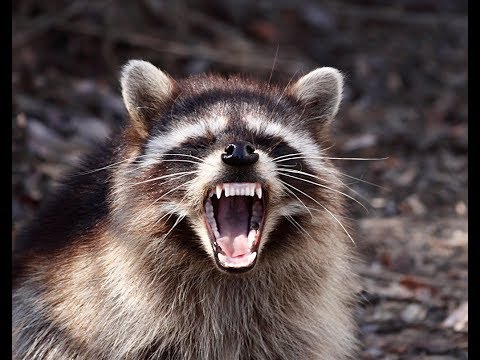
Knowing how raccoons behave can help you stay safe during an encounter. By recognizing signs of aggression and understanding where raccoons typically live and their habits, you can be better prepared if a raccoon approaches you.
Identifying Signs of Aggression
Raccoons can show various signs if they feel threatened. Look for postures such as:
- Raised fur: This can indicate that the raccoon is startled or defensive.
- Growling or hissing: Noises like these suggest that the raccoon feels scared or angry.
- Staring: If a raccoon locks eyes with you, it may be challenging you or feeling alarmed.
If a raccoon approaches and appears aggressive, it’s essential to give it space. Avoid any sudden movements, and do not try to scare it away aggressively. Instead, back away slowly and calmly.
Raccoon Habitats and Habits
Raccoons are adaptable animals found in diverse environments. They often live in:
- Forests: Wooded areas provide shelter and food.
- Urban areas: Raccoons can thrive in cities, scavenging for food in garbage cans.
- Wetlands: These areas offer the water and food raccoons love.
Raccoons are nocturnal, meaning they are most active at night. This behavior may lead to encounters when they search for food. Keeping trash secured and not leaving food outside can help avoid attracting them, reducing the chances of an encounter.
Immediate Actions to Take

When a raccoon chases you, quick and calm actions can make a big difference. Knowing how to respond helps keep you safe while minimizing potential harm to the raccoon.
Staying Calm and Assertive
Staying calm is key during any animal encounter. Panic can lead to hasty choices that may provoke the raccoon. Take a deep breath to center yourself.
Be assertive in your movements. Stand tall, and avoid direct eye contact, as this can be seen as a threat. Use your voice to make loud noises, like clapping or shouting, to startle the raccoon.
Remember, you want to show confidence without appearing aggressive.
Creating Distance Safely
You should always back away slowly from the raccoon. Quick movements may cause the animal to chase you more aggressively.
Aim to create at least 15-20 feet of space between you and the raccoon. If you’re backing away, do not turn your back on the animal. This way, you can keep an eye on its movements.
Look for nearby buildings or cars where you can safely position yourself away from the raccoon. Avoid cornering the raccoon; it may feel threatened and act defensively.
When and How to Protect Yourself
In rare cases, a raccoon may attack. If you sense an attack is likely, be ready to protect yourself.
Use items like bags or jackets to create a barrier. If you have pepper spray, it can be effective in deterring the raccoon due to its strong smell.
If a raccoon bites you, wash the wound with soap and water as soon as possible. Seek medical help immediately, as raccoons can carry diseases like rabies. Protecting yourself while remaining calm can help keep the situation under control.
Preventive Measures

To keep raccoons away from your property, it’s important to take specific steps. Focusing on securing food sources and making your property unattractive can help deter these curious animals.
Securing Food Sources
One of the best ways to prevent raccoons from approaching is by securing your food sources. Start with your trash cans. Make sure they have tight-fitting lids. This helps prevent raccoons from easily getting to the food scraps inside.
Avoid leaving pet food outdoors. Bring in any pet dishes after feeding your pets. Raccoons can smell food from far away, and they will come looking for it.
If you enjoy birdwatching, be cautious with seed feeders. Raccoons will also eat birdseed. Consider using feeders that are designed to deter larger animals.
Lastly, never intentionally feed raccoons. This can encourage them to return.
Making Your Property Unattractive
In addition to securing food, you can make your property less inviting. Start by removing debris or clutter where raccoons might find shelter.
Keep your yard clean and check for any potential denning spots, such as under decks or sheds.
Using predator urine can be an effective method. Spraying this around your property can help give the impression that a predator is nearby, which discourages raccoons from getting too close.
Bright lights and noise can also deter raccoons. If you notice them frequenting your yard, consider installing motion-activated lights or noise-making devices. These small changes can make a significant difference in keeping raccoons away.
Professional Assistance

If you find yourself in a situation where a raccoon is chasing you, professional help can be crucial. Knowing when and how to get assistance ensures your safety and the humane treatment of the raccoon.
When to Call Wildlife Control
It’s important to call wildlife control if a raccoon approaches you aggressively or if you feel threatened. Raccoons can be unpredictable and may exhibit dangerous behavior, especially if they feel cornered.
If a raccoon is acting strangely, such as being overly friendly or disoriented, this could indicate rabies. In such cases, don’t hesitate to call a wildlife removal service for immediate assistance.
They have the training and tools necessary to handle potentially dangerous wildlife safely.
Recognizing when to seek professional help is key. It’s better to be safe than sorry. Remember, their expertise can prevent injury to both you and the animal.
Choosing a Wildlife Removal Service
Selecting the right wildlife removal service is crucial. Look for companies that have a license and insurance. This ensures they follow safety protocols and legal guidelines when handling wildlife.
Check reviews and ask for recommendations from friends or neighbors. A reliable service should be transparent about their methods. They should also use humane techniques to safely relocate animals.
Make sure to inquire about their experience with raccoons specifically. A service with a solid track record in dealing with raccoons will be better prepared to handle your situation effectively.
Also, ask about any follow-up procedures they offer. This can help reduce the chances of future encounters with raccoons on your property.


