
Raccoons are often seen as cute and cuddly creatures, which sparks the interest of many when it comes to keeping them as pets. However, raccoons can be affectionate and playful. They also possess a wild side that makes them challenging to care for as pets. Their natural curiosity and mischievous behavior mean they require a lot of attention and stimulation, which may not suit everyone.

If you’re considering a pet raccoon, it’s essential to understand the responsibilities involved. These animals need plenty of space to roam and explore, much like dogs and cats. Additionally, you’ll find that raccoons have specific dietary and social needs that differ from more common pets. Keeping raccoons as pets might be appealing, but you need to think about whether you can meet their complex needs.
Owning a pet raccoon also comes with legal considerations. In many places, raccoons are classified as exotic pets, and their ownership may be regulated or prohibited. Before diving into the idea of having one, make sure to check local laws and guidelines to ensure you can provide a safe and legal home for such a unique companion.
Understanding Raccoon Behavior

Raccoons are unique animals with behaviors shaped by their wild instincts and natural habitats. Their interactions with humans can vary widely, making it important to know what to expect if you consider them as pets.
Natural Habitats and Instincts
Raccoons thrive in various environments, from forests to urban areas. They are known as opportunistic feeders, which means they eat what is available. In the wild, they use their dexterous front paws to dig and explore for food.
Their sharp claws are perfect for climbing trees and navigating different terrains. Raccoons are also nocturnal, meaning they are most active at night. This affects their behavior and care needs if kept as pets.
Understanding these instincts is vital. If you take in a raccoon, create an environment that allows them to express their natural behaviors. Providing space for climbing and exploring is key to keeping them happy and healthy.
Interaction with Humans
Raccoons can be curious and social, sometimes approaching humans out of curiosity. When interacting with people, they may display playful behavior, but this does not mean they will behave like traditional pets.
You should be cautious. Raccoons can be unpredictable and may bite if they feel threatened. It’s essential to respect their boundaries and understand their signals. Patience is important when building trust with a raccoon.
Additionally, consider the ethical implications of keeping wild animals as pets. If you choose to interact with raccoons, educate yourself about their needs and behaviors to ensure their well-being.
The Legalities and Ethics of Raccoon Ownership

Before considering a raccoon as a pet, it’s important to understand the legal restrictions and ethical concerns. These factors help ensure the safety and well-being of both you and the raccoon.
Legal Restrictions on Keeping Raccoons
Many places have specific laws about owning raccoons. Some states or countries may require permits for ownership. In others, it might be completely illegal.
You should always check local regulations before making a decision. Failing to follow the law can lead to fines or the removal of the animal. Additionally, many jurisdictions have strict guidelines to protect public safety and maintain animal welfare.
Before getting a raccoon, research your area’s regulations thoroughly. This helps you avoid legal issues and ensures you provide a stable home.
Conservation and Ethical Considerations
Ownership of raccoons raises important ethical questions. Raccoons are wild animals with specific needs and behaviors. Keeping them as pets can lead to problems, both for the animal and for you.
In some cases, owning a raccoon can contribute to conservation efforts. Supporting rescues or sanctuaries can be a better choice. These organizations focus on the proper care of raccoons and their rehabilitation.
Additionally, consider the impact on local wildlife. Removing raccoons from their natural habitat can disrupt ecosystems. Think carefully about whether owning a raccoon truly benefits both the animal and the environment before proceeding.
Health and Safety Concerns

Owning a raccoon comes with important health and safety concerns that you should consider seriously. Raccoons can carry diseases that can affect both pets and humans. Understanding these risks helps you make informed choices for your household.
Risks of Zoonotic Diseases
Zoonotic diseases are infections that can be transmitted between animals and humans. Raccoons are known carriers of several such diseases, including roundworms and leptospirosis. These can pose serious health risks to you and your family.
To minimize risks, ensure your raccoon is examined by a veterinarian who specializes in exotic animals. Regular check-ups and preventive care are essential. Proper hygiene practices, such as washing hands after handling your pet, help keep everyone safe. Always make sure your raccoon is up to date on necessary vaccinations to lower illness chances.
Rabies and Vaccination
Rabies is a significant concern with raccoons. They are considered a primary carrier of this deadly virus. Symptoms of rabies include lethargy, aggression, and difficulty swallowing.
Vaccination against rabies is generally recommended for pets. However, not all veterinarians provide rabies vaccinations for raccoons due to their exotic status. It’s vital to find a vet experienced in treating raccoons. This ensures your pet receives the correct care and your family stays safe.
Check local laws regarding raccoon ownership. Some areas have strict regulations concerning vaccinations and licensing to help control rabies spread. Always follow these guidelines to protect yourself and others.
Creating a Safe Environment
Creating a safe home environment is crucial for both you and your raccoon. Start by securing areas where your pet can roam. Raccoons are curious and may get into dangerous items or areas if left unsupervised.
Use child-proof locks on cabinets and keep small objects out of reach. Always supervise outdoor time and have a secure enclosure. This protects your raccoon from potential hazards and prevents them from wandering into unsafe areas.
Regular cleaning is also essential. Dispose of waste promptly and sanitize play areas. This reduces the risk of disease transmission between your raccoon and your family. A safe and clean environment benefits everyone.
Raccoon Care and Responsible Ownership
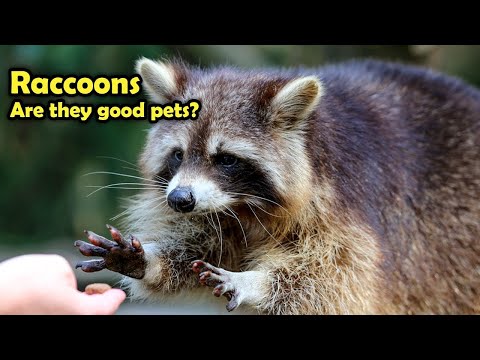
Caring for a raccoon requires specific knowledge and commitment. It’s important to focus on their nutritional needs, provide proper enrichment, and understand the long-term responsibilities that come with ownership.
Meeting a Raccoon’s Nutritional Needs
Raccoons are omnivores, which means their diet should include a mix of fruits, vegetables, and proteins. You can offer them high-quality cat food as a staple, supplemented with fresh produce. Foods like apples, berries, and leafy greens are great choices.
Avoid processed foods, sugars, and anything toxic like chocolate or onions. It’s crucial to ensure their meals are balanced to promote health.
Always provide fresh water, and consider consulting a veterinarian with experience in exotic pets for personalized dietary advice. Proper nutrition is key to keeping your pet raccoon healthy and happy.
Enrichment and Training
Raccoons are smart animals that need mental and physical stimulation. They require plenty of toys and activities to keep them engaged. Create a play area with climbing structures, tunnels, and puzzles.
Training your raccoon can be both rewarding and effective. Use positive reinforcement techniques, like treats, to encourage good behavior. Basic commands can help with daily routines and building trust.
Interactive play is essential for socializing your raccoon. Spend time each day engaging in play or training. This strengthens your bond and ensures they are well-adjusted.
Long-Term Commitment Required
Owning a pet raccoon requires a long-term commitment. This can last 10 years or more.
Before adopting, think about your lifestyle, living space, and ability to provide lasting care.
These animals are not domesticated like dogs or cats. This means they may exhibit wild behaviors. You need to be prepared for potential challenges, including health care and legal considerations regarding ownership.
Regular veterinary check-ups are essential. Finding a vet who understands raccoons can be tricky, so do your research beforehand.
Being a responsible owner means staying informed and dedicated to your pet’s needs throughout their life.


