
Encountering a raccoon can be an unexpected experience, especially if one decides to lick you. While these animals are often seen as a nuisance, their behaviors can tell you a lot about their curiosity and social nature. If a raccoon licks you, it may be expressing curiosity, or it could be a sign of empathy towards you.
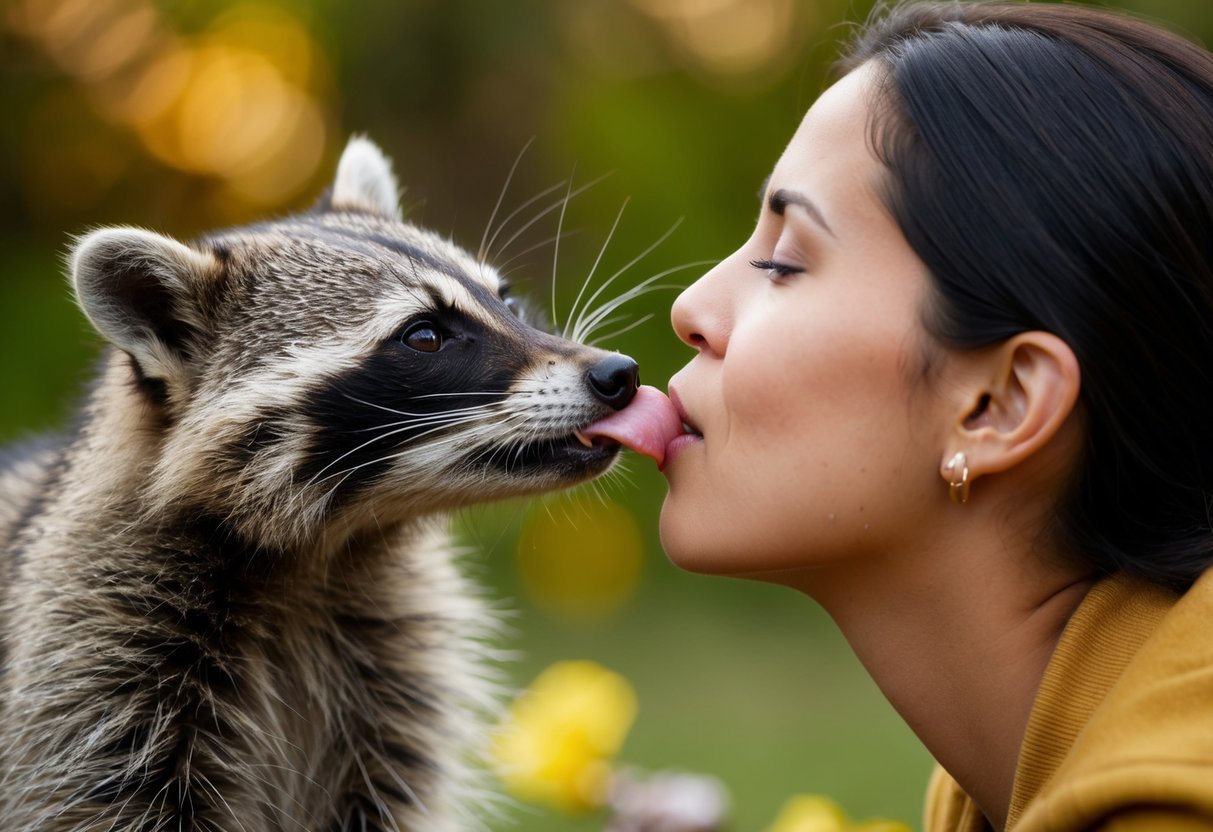
Raccoons are known for their inquisitive minds and often use their sense of touch to explore their environment. This licking behavior can stem from their desire to investigate and understand what’s around them. It’s important to note that while a lick might feel harmless, it could also pose health risks, so knowing what to do next is essential.
As fascinating as raccoons can be, it’s crucial to recognize the importance of maintaining a safe distance. Understanding their habits and behaviors will not only keep you safe but also enhance your appreciation for these intelligent creatures.
Understanding Raccoon Behavior
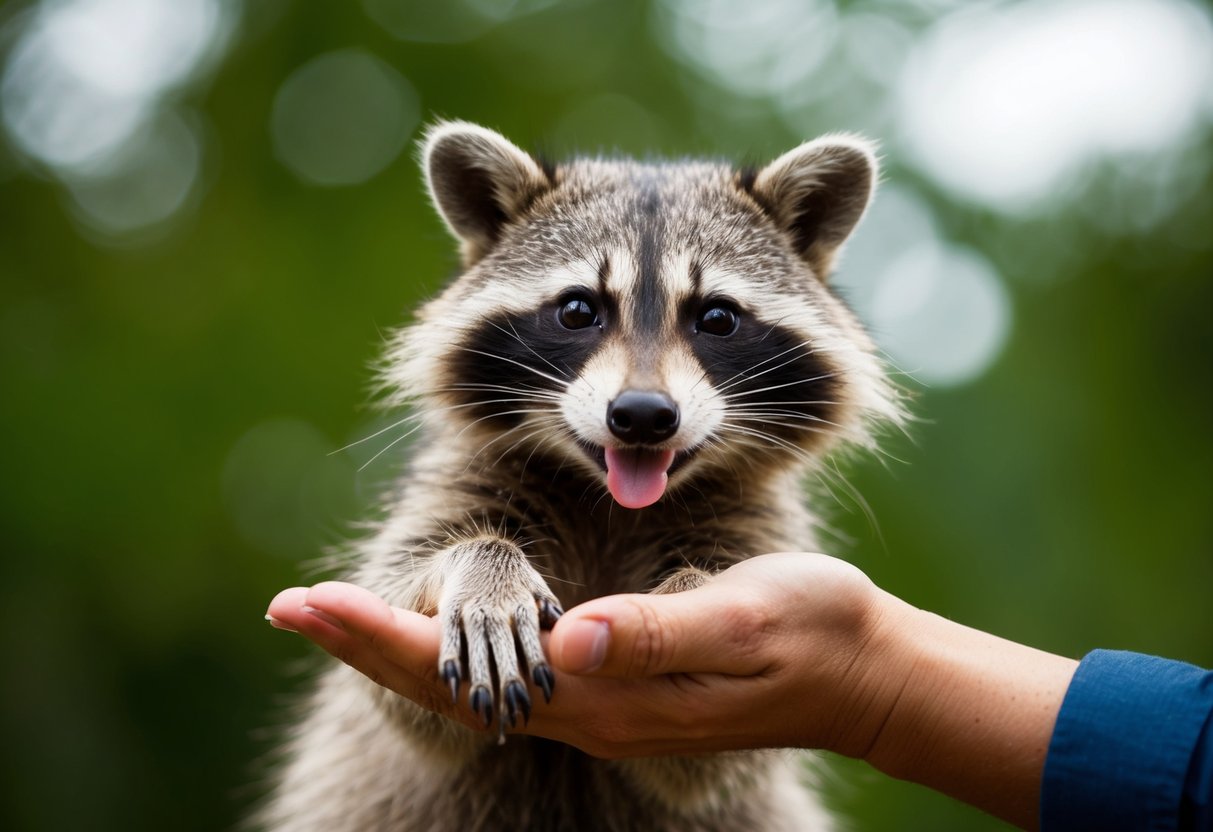
Raccoons are complex creatures with a range of behaviors that can reveal their emotions and intelligence. By observing these behaviors, you can gain insights into what a raccoon might be feeling when it interacts with you.
Common Behaviors and Emotions
Raccoons show various behaviors that help communicate their feelings. They are known for being curious and mischievous. When you see a raccoon approaching, it might be exploring its environment or looking for food.
Their body language can also provide clues. A raccoon standing on its hind legs is often curious, while a hissing raccoon may feel threatened. These signals help you understand their state of mind. Raccoons tend to be solitary in the wild but can be social with others in urban areas.
Because they are intelligent animals, raccoons can learn from their experiences. This intelligence leads them to adapt to different situations, including interactions with humans. By watching their behaviors, you can better understand what they’re feeling in any encounter.
Significance of Licking
When a raccoon licks you, it can mean several things. Licking is an act often associated with exploration and curiosity. Raccoons use their tongues to gather information about their surroundings. If a raccoon licks you, it might be getting to know you better.
This behavior may also point to a friendly gesture. Raccoons have been observed to engage in grooming habits, which can help strengthen social bonds. In this case, licking could show acceptance or comfort.
It’s important to remember that while a lick may seem harmless, raccoons can carry diseases. Always take caution during any interaction. By understanding what their licking means, you can safely enjoy observing these fascinating animals.
Health Risks and Precautions
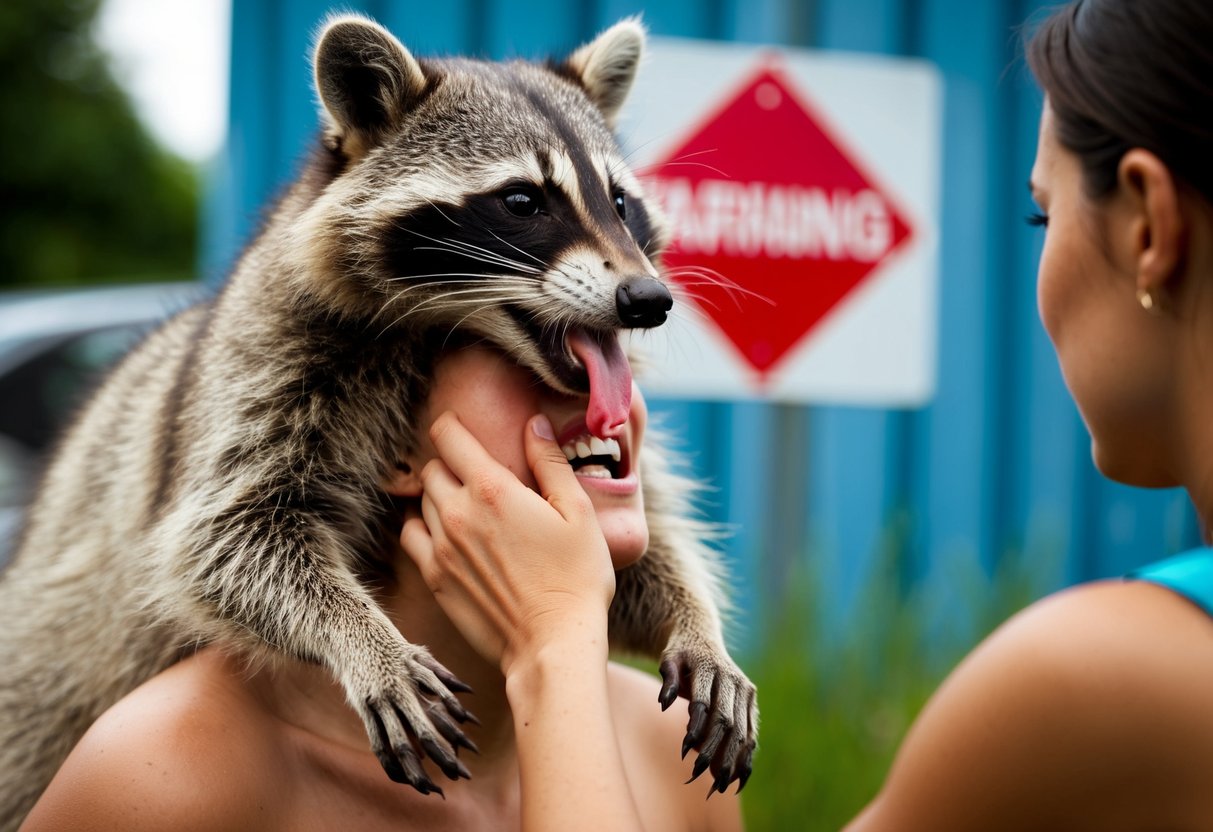
If a raccoon licks you, it is essential to be aware of potential health risks. Understanding these risks and knowing when to seek medical attention can help you stay safe.
Potential for Rabies and Other Diseases
Raccoons are known carriers of rabies, a serious viral disease that can affect the central nervous system. If you are bitten or scratched, or even licked by a raccoon, there is a risk that the animal could transmit this infection to you.
In addition to rabies, raccoons can carry diseases like leptospirosis and raccoon roundworm. Leptospirosis can be contracted through contact with raccoon urine, while raccoon roundworm is often spread through their feces. To minimize risks, avoid contact with raccoons and report any sightings or strange behavior to local wildlife control.
When to Seek Medical Attention
If a raccoon licks you, take it seriously. Start by washing the area with soap and water. This action can help reduce the chances of infection.
You should seek medical attention if the lick is accompanied by any signs of injury, swelling, or if fluid is present. It’s important to report the encounter to your doctor. They may recommend a rabies vaccine or other treatments based on your circumstances. If you encounter a raccoon that behaves aggressively or appears sick, stay away and contact wildlife professionals for help.
Managing Human-Raccoon Interactions
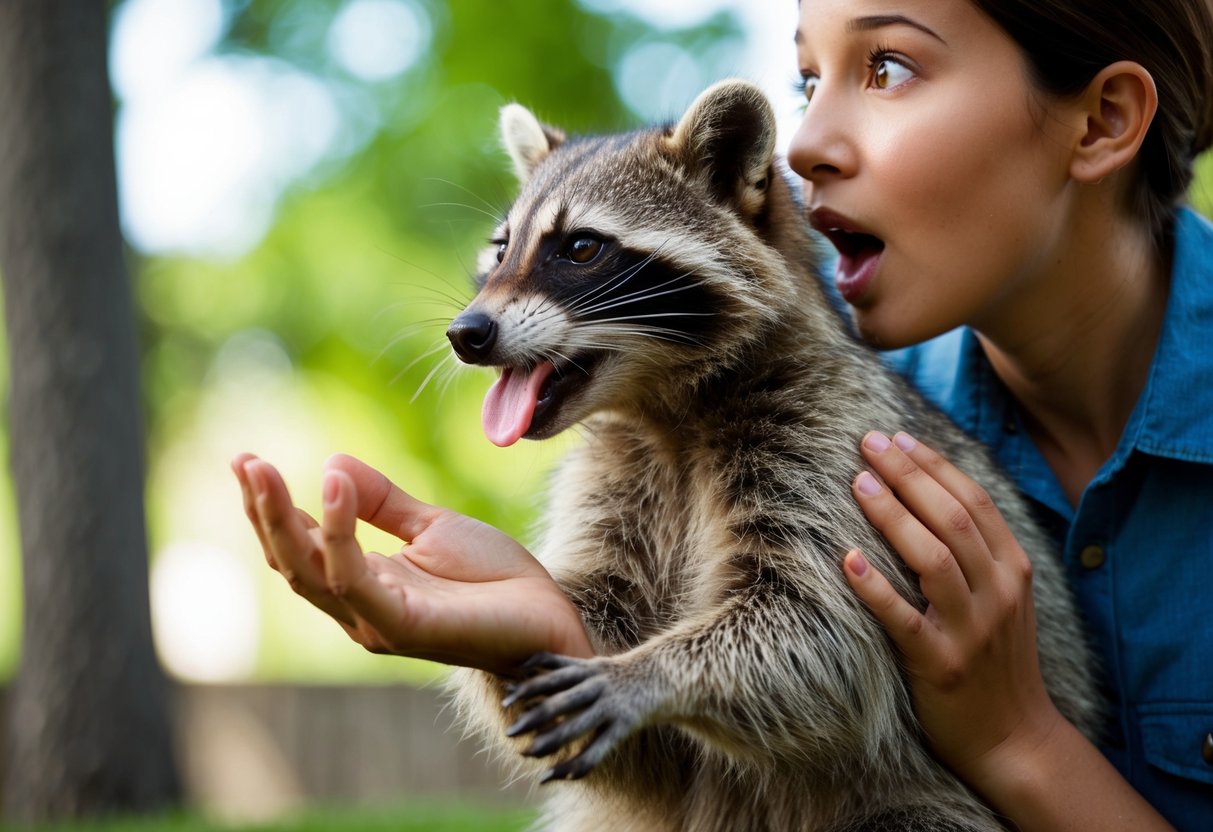
Navigating interactions with raccoons is essential for your safety and for the well-being of these clever animals. You can foster peaceful coexistence and learn how to manage raccoon situations effectively to avoid conflicts.
Peaceful Coexistence with Wildlife
Coexisting peacefully with raccoons requires understanding their behavior and needs. Raccoons are often drawn to food sources, like accessible trash bins. By securing your garbage in sturdy containers, you reduce the chances of attracting these curious creatures.
Planting raccoon-resistant flowers or using animal repellents can also help keep them at bay. If you encounter a raccoon, do not chase it; instead, give it space. Raccoons may display aggression if they feel threatened. Remaining calm and backing away gives them room to retreat.
Proactive Raccoon Removal and Deterrence
Raccoons may become too comfortable in your area, so you may need to consider removal. First, assess your environment for any tempting food sources. Store pet food indoors and close off access to compost bins.
For proactive deterrence, installing fences or motion-activated lights can discourage raccoons from visiting. If you find a sick or injured raccoon, contact local wildlife control for safe removal. This keeps both you and the animal safe while ensuring wildlife conflicts are minimized.


