
When it comes to the bond between raccoons and dogs, you might be curious about how friendly these wild animals can be toward your pet. Raccoons are often viewed as cute and playful creatures, but they are fundamentally wild animals with their own unique behaviors. Raccoons can display friendly behavior toward dogs, but their interactions largely depend on individual personalities and the situation.
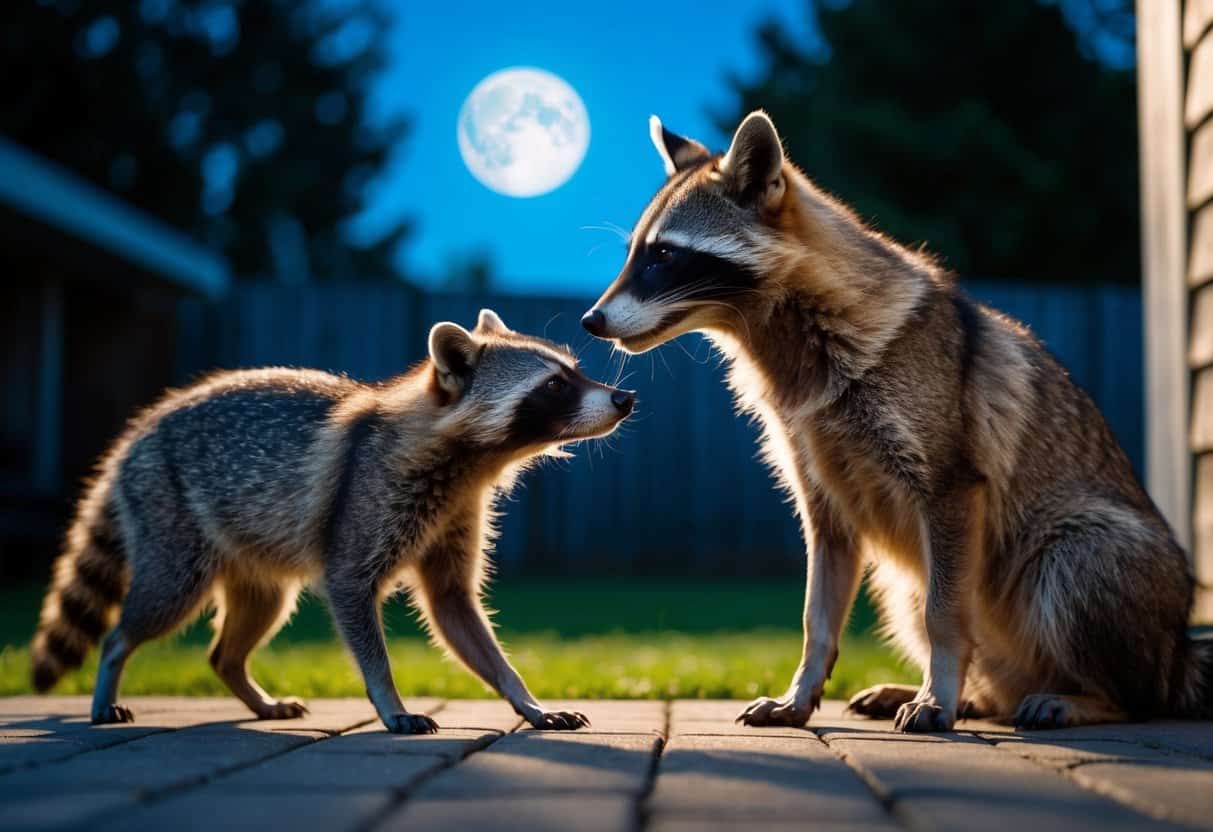
You may find that a well-trained dog, especially one that has been socialized from a young age, can get along with raccoons. Dogs tend to form strong social bonds and may even approach raccoons with curiosity. However, keep in mind that raccoons are unpredictable, and their wild nature means that they may not always be open to forming friendships with dogs.
If you’re considering allowing your dog to meet a raccoon, understanding the dynamics of their interaction is key. Can these two species coexist? You’ll want to explore this topic further to discover the best practices for ensuring a safe and friendly environment for both your dog and any raccoons they encounter.
Understanding Raccoon Behavior and Temperament
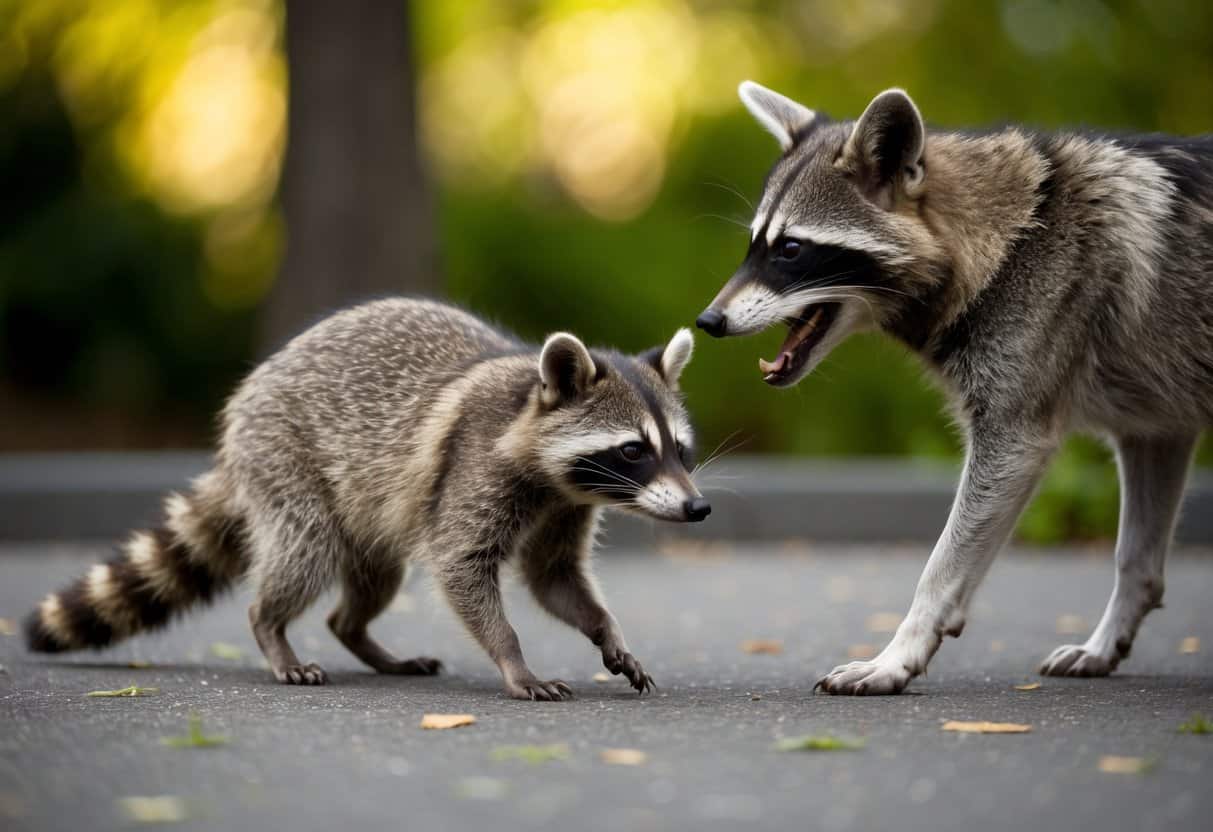
Raccoon behavior involves a mix of wild instinct and individual personality. Understanding how they act in the wild compared to domesticated situations helps you see their temperament and how they might interact with dogs. Here are some key aspects to consider.
Raccoon Behavior in the Wild Versus Domesticated Settings
Wild raccoons are known for their solitary and curious nature. They are opportunistic feeders, often scavenging for food at night. Their cleverness helps them adapt to various environments, making them skillful problem solvers.
In contrast, domesticated raccoons may display different traits due to their close contact with humans. They can become more social and curious about their surroundings. However, they still retain wild instincts that may lead to erratic behavior, especially in unfamiliar situations.
Understanding these differences is crucial when considering interactions with dogs or other pets.
The Temperament of Raccoons and their Interaction with Dogs
Raccoons have unique temperaments that can vary widely. While some may be playful and affectionate, others can show signs of aggression, especially when they feel threatened. Individual temperament plays a huge role in how raccoons behave.
When interacting with dogs, a raccoon may be curious rather than aggressive. However, their unpredictability means that caution is always necessary. It’s essential to monitor any interaction closely to avoid potential conflicts, as wild instincts can kick in during stressful situations.
Can Raccoons Form Affectionate Bonds with Dogs?
Raccoons are generally not known for forming affectionate bonds with dogs like dogs do with humans or each other. They may show some level of curiosity or interest in dogs, but deep emotional connections are rare.
While some domesticated raccoons may develop friendly behaviors towards familiar dogs, the overall possibility is limited. Typically, raccoons are not social animals and tend to keep their distance. Encouraging positive interactions requires patience and close supervision.
Health and Safety Concerns in Raccoon and Dog Interactions
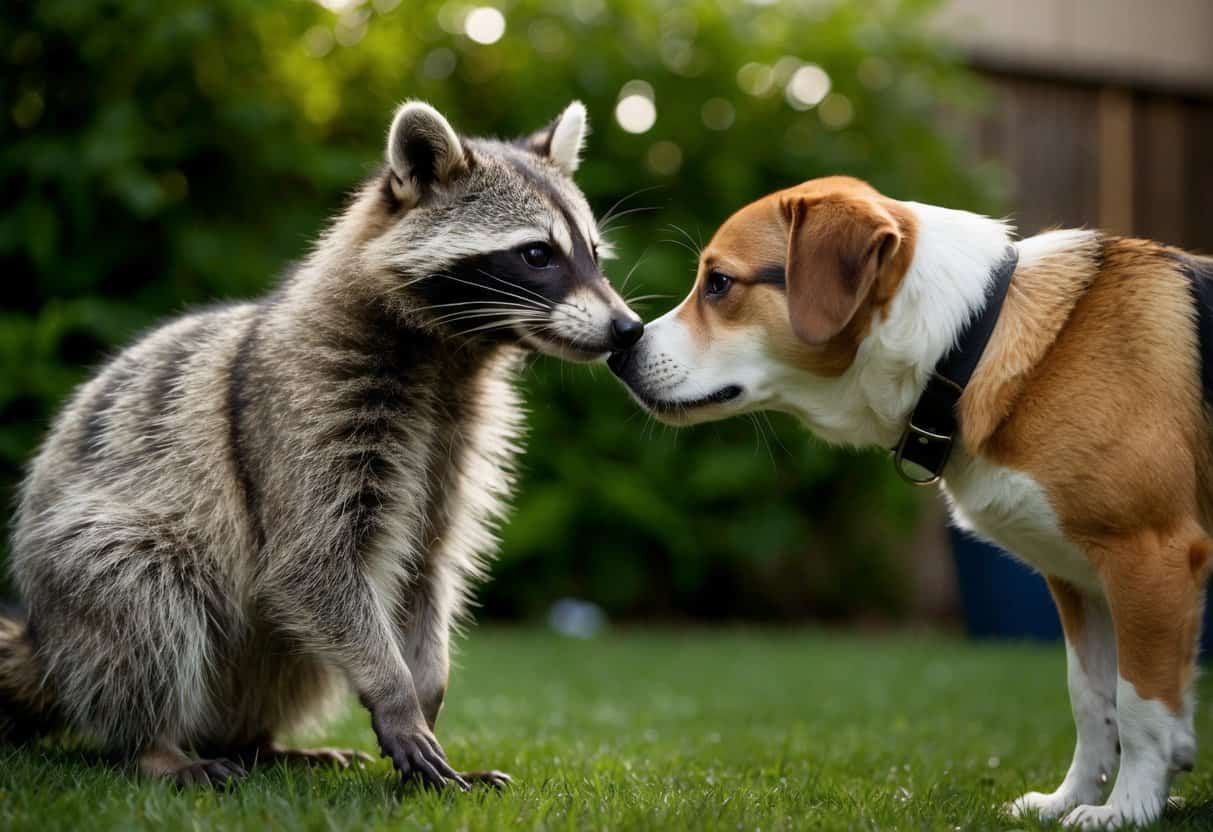
When your dog encounters a raccoon, there are important health and safety concerns to keep in mind. Understanding the risks can help you protect your pet and ensure safe interactions.
Common Health Risks and Disease Transmission
Raccoons can carry several diseases that pose risks to dogs. One significant concern is rabies, a viral disease that can be fatal if untreated. If a raccoon bites your dog, it can transmit the virus.
Another point to consider is the potential for zoonotic diseases, which can spread from animals to humans and pets. Raccoons are known to host raccoon roundworms, which their eggs can spread in their feces. Dogs may ingest these eggs, leading to serious health issues.
To minimize risks, avoid letting your dog interact closely with raccoons. Always supervise your pet during outdoor play and keep food secured to avoid attracting raccoons.
Vaccination and Regular Health Checks for Raccoons Near Pets
To ensure your dog’s health, vaccinations are crucial. Speak to your veterinarian about rabies vaccinations and other preventive care. Keeping your dog up to date on shots can provide protection against infections.
Besides vaccinations, regular health checks are essential. If you notice your dog acting unusual or showing symptoms like lethargy or appetite loss, consult your vet.
If you live in an area with raccoons, stay alert. Educating yourself about raccoon behavior can help. By taking these proactive steps, you can create a safer environment for both your dog and local wildlife.
Best Practices for Introducing Raccoons to Dogs
When introducing raccoons to dogs, it’s important to focus on training and creating a safe space. This helps both animals adapt and fosters positive interactions.
Training and Socialization Techniques
Start with training your dog, ensuring it responds well to basic commands like “sit” and “stay.” This will help control your dog’s behavior around the raccoon. Use positive reinforcement, such as treats and praise, to encourage good behavior.
For the raccoon, gentle handling is key. Spend time with your raccoon to build trust. Slowly introduce it to your dog’s scent by allowing your dog to sniff an item that belongs to the raccoon. Consider setting up short, supervised meetings in a neutral space.
Monitor their interactions closely. If either animal shows signs of stress or aggression, separate them immediately. Remember, each animal is unique, so be patient.
Creating a Safe and Secure Environment for Both Animals
Establish separate spaces for your raccoon and dog to reduce stress. Create a designated area for the raccoon that includes toys and hiding spots. This will help your raccoon feel secure when introducing it to your dog.
Use baby gates or playpens to keep the two animals apart initially. This allows them to see and smell each other without direct contact. Gradually increase their time together as they show comfort and curiosity.
Ensure that both animals have areas they can escape to if they feel overwhelmed. This is crucial for their mental well-being and allows them to adjust at their own pace. A calm environment can significantly improve the chances of positive interactions between your raccoon and dog.


