
Spotting an opossum? Just stay calm and let it do its thing. Most opossums are shy and harmless, so you really don’t need to worry or chase them off.
They usually keep to themselves and wander off soon enough.

You can help by making sure your trash cans are tightly sealed and by not leaving pet food outside overnight.
If an opossum sneaks in through a pet door, try guiding it outside by shutting inside doors and opening a path out.
If it seems stuck, you might try some quiet noises or gently nudging it with a broom.
Opossums help out in the garden by eating pests like bugs and small rodents.
Knowing that they’re not really a threat can make you feel a bit better when you see one hanging around.
For more info on what to do if you spot an opossum, check out What to do about opossums.
Immediate Actions to Take When You Spot an Opossum
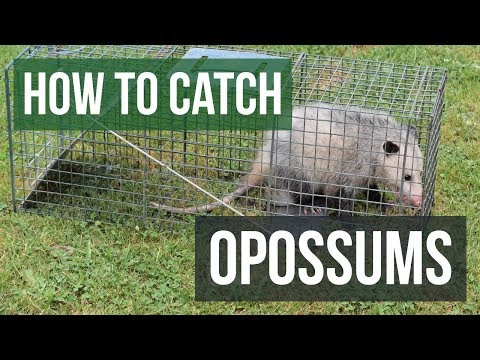
When you see an opossum, try to keep your cool and watch what it’s doing.
This helps you figure out if it needs help, or if you should just give it space.
Your reaction matters for both your safety and the opossum’s.
Assess the Opossum’s Behavior and Health
Start by watching the opossum closely. Is it walking around like normal, or does it look weak?
If you notice limping, wounds, or trouble standing, those are signs of injury.
Sometimes an opossum looks scared but seems healthy—it might just be passing through.
If it hisses, bares its teeth, or curls up, it’s probably just frightened.
But if it barely moves, looks abandoned (especially if it’s a baby), or has obvious injuries, it might need help.
Don’t pick up or touch the opossum unless you’re sure it’s orphaned or injured.
If you think it’s hurt or sick, jot down where you saw it and reach out to a wildlife professional.
Keep a Safe Distance
Always keep some space between you and the opossum.
They’re wild animals and can bite if they feel trapped.
If you want a closer look, grab binoculars or use your phone’s zoom—don’t get too close.
If the opossum is near your house or in your yard, don’t block its escape or corner it.
Let it wander off when it’s ready.
If you need it gone, don’t try trapping or picking it up yourself—this can end badly for both of you.
Wear gloves if you have to do anything at all, and never reach out with bare hands.
Keeping your distance helps you avoid any diseases or pesky mites they might carry.
Most opossums just want to be left alone.
What to Do If the Opossum Is Inside Your Home
If you find an opossum indoors, don’t panic or try to grab it.
Shut doors to other rooms so it can’t hide, and open doors or windows to the outside to give it an escape route.
If you absolutely have to move it, gently cover it with a towel or pillowcase from head to tail.
Then, place it carefully in a box with air holes if you can manage it.
Don’t feed the opossum or try to care for it inside.
Contact a wildlife professional for safe removal or trapping.
Double-check that your doors and windows have screens to keep critters out in the future.
When to Contact a Wildlife Professional
If you see an injured, orphaned, or weird-acting opossum, call your local Wildlife Rehabilitation Center or a licensed removal expert.
These folks know how to handle opossums safely.
Use the phone number for animal control or wildlife centers, especially if you find a baby opossum alone or a mother with babies in her pouch.
If you’re not sure what’s wrong or how to help, call for advice before doing anything.
Don’t try to keep opossums as pets or fix them up yourself.
Wildlife pros have the training and gear needed.
If you need more help, check out Peace River Wildlife Center’s page on I Found an Opossum.
Helping Baby Opossums and Preventing Future Visits

If you find a baby opossum, be extra careful not to hurt it.
It helps to know a bit about opossum behavior so you can figure out what to do.
You can also take a few steps to make your yard less inviting for future visits.
How to Safely Assist a Baby Opossum
If you spot a baby opossum alone, don’t feed it or give it water.
They’re fragile—especially if their eyes are closed.
The best thing you can do is keep it warm in a small box lined with a soft cloth or blanket.
Put the box somewhere quiet and safe indoors while you contact a licensed wildlife rehabilitator.
Try not to handle the baby too much.
Move it gently and quickly to reduce stress.
If you find babies in a mother’s pouch, place them in a warm container and call for help.
You’ll find more details on how to help baby opossums at Walden’s Puddle.
Understanding Opossum Behavior
Opossums are marsupials that generally avoid people.
They’re active at night and like to hide during the day in dark, quiet spots.
If you see one out in daylight, it could be sick or hurt.
They usually aren’t a threat.
Opossums will try to run or play dead if they feel scared.
Knowing this can help you relax and not overreact.
They eat bugs, small critters, fruit, and sometimes garbage—which is probably why they show up in your yard at night.
Tips to Keep Opossums Away from Your Property
If you want to keep opossums out, start by locking down any food sources. Make sure your trash cans have snug lids, and honestly, it’s best not to leave pet food outside overnight.
Take a look around for brush piles or wood stacks—opossums love to hide in those spots. Clear them out, or at least tidy them up.
You could put up fences with small gaps or use some wire mesh. Just bury it a few inches underground, and you’ll make it a lot tougher for opossums to get in.
Some folks set up motion-activated lights or sprinklers. They won’t hurt the animals, but they might make them think twice about coming back.
Skip the poisons or traps—they can end up harming pets or other wild critters. If you’re not sure what to do next, you might want to check local wildlife guidelines or call a professional.


