
If you’re hoping to attract coyotes, picking the right sounds really matters. Coyotes react most to noises that mimic prey in distress—think rabbits or rodents—or the howls and yips of other coyotes. These sounds grab their attention and spark their curiosity.
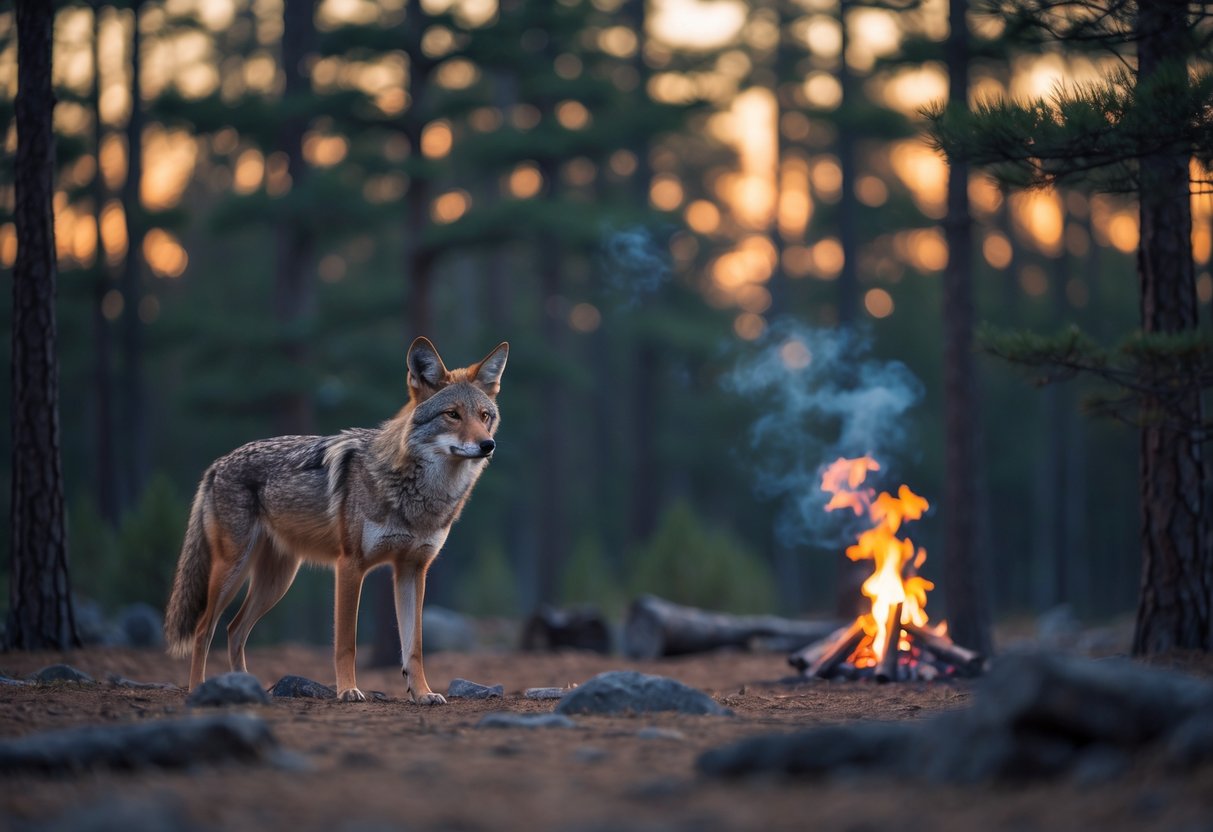
Calls that imitate a wounded rabbit or squeaky rodents can set off a coyote’s hunting instincts. You could also try coyote howls that sound like a pack member; that usually piques their interest and pulls them in.
You don’t need to be a pro to start messing around with these calls. With some patience and the right noises, you’ll start to notice coyotes responding.
If you want more ideas, experts have plenty to say about which sounds work best for calling coyotes.
Types of Noises That Attract Coyotes

Coyotes react to a bunch of different sounds that hint at animals or even threats nearby. Certain noises catch their ear because they suggest food, social activity, or maybe a challenge to their territory.
If you know what sounds attract coyotes, you’ll get a better sense of how they think and how to handle encounters safely.
Howling and Its Role in Attraction
Coyote howling sends a strong signal to announce territory or call out to family. When you hear a long, drawn-out howl, the coyote is probably marking its space or reaching out to others in the pack.
Howls can travel up to 1,000 yards—pretty far, honestly. This sound draws coyotes in because it means there’s activity happening.
Some howls are just one coyote checking in or looking for a mate. Other times, you’ll hear group howling when coyotes gather, which can make others curious about the pack’s size or location.
If you want to attract coyotes with howling, try to match their tone and length. That way, you get their attention without coming off as a threat.
You can dig deeper into howling and what it means by checking out this coyote vocalizations resource.
Barks and Alarm Calls
Coyotes bark with short, sharp sounds. They use these as warnings or to alert if they sense danger.
When you catch a coyote barking, it’s probably feeling cautious or trying to scare something off. The bark also helps them communicate over short distances if something unusual happens.
Barks grab the attention of other coyotes by signaling a possible problem or telling family to stay sharp. Sometimes, coyote barks sound a bit like dog barks, just higher pitched.
If you want to try attracting coyotes with barks, stick to quick, alert sounds instead of drawn-out howls. Barking can make coyotes curious, but it might also make them a bit wary.
You can find more about their barking and alarm calls in this coyote bark information.
Yipping and Group Vocalizations
Coyotes yip with quick, high-pitched sounds, mostly when they’re in a group. Yipping usually means they’re playing, bonding, or moving together.
These sounds show other coyotes that a group is nearby and everything’s fine. Yips don’t warn of danger—they’re more like friendly check-ins.
If you want to use yipping sounds, mimic the short, rapid tones in a set. That signals you’re part of the group, which can make coyotes curious enough to come closer.
If you want to know more about yipping, you can check out coyote yipping and vocalizations.
Coyote Communication and Behavioral Context

Coyotes use all sorts of sounds to send important messages. These noises help them keep in touch with their pack, mark territory, attract mates, and warn others about danger.
If you start to recognize these sounds, you’ll get a better feel for what coyotes are up to.
Vocalizations in Pack Dynamics
Coyotes howl, yip, and bark to stay connected with their pack. Howls are long and loud, helping pack members find each other from far away.
Yips are short and high-pitched, often happening between pups and adults or during playtime. Coyotes bark to warn about danger, but it’s not quite like a dog’s bark.
They also growl to show aggression or threaten intruders. If you pay attention to these pack sounds, you’ll spot when coyotes are talking to each other nearby.
Territorial and Mating Calls
Coyotes get pretty vocal when they’re marking territory or during mating season. Males and females both howl to call potential mates and to tell others to stay out of their area.
You might hear long howls mixed with barks or growls during these times. That combination warns other coyotes that the territory is taken.
Territorial calls let the pack protect their home and keep rivals away. This helps avoid fights over space and mates.
Distress and Pup Sounds
Coyotes make very different sounds when they—or their pups—get into trouble. You’ll probably notice high-pitched yelps, frantic barks, or whines.
These noises really signal distress or injury. Sometimes, they’re just calling for help from the rest of the pack.
Coyote pups tend to let out sharp, urgent yips to grab their parents’ or siblings’ attention. Adult coyotes usually rush over when they hear these sounds, wanting to check on the little ones or deal with whatever’s going on.
If you catch a lot of distressed barking or howling, there’s a good chance a coyote feels scared or exposed. Oddly enough, that can sometimes draw in even more animals.
Curious how coyote communication fits into their pack life? Check out what kinds of noises might attract them at the Institute for Environmental Research.


