
Ever wonder if a coyote is hanging around your area? There are a few signs that can tip you off. You might hear their howls, yips, or barks, spot their tracks or scat, or notice damage to fences or even livestock. These clues usually let you know a coyote is close, even if you never actually see one.
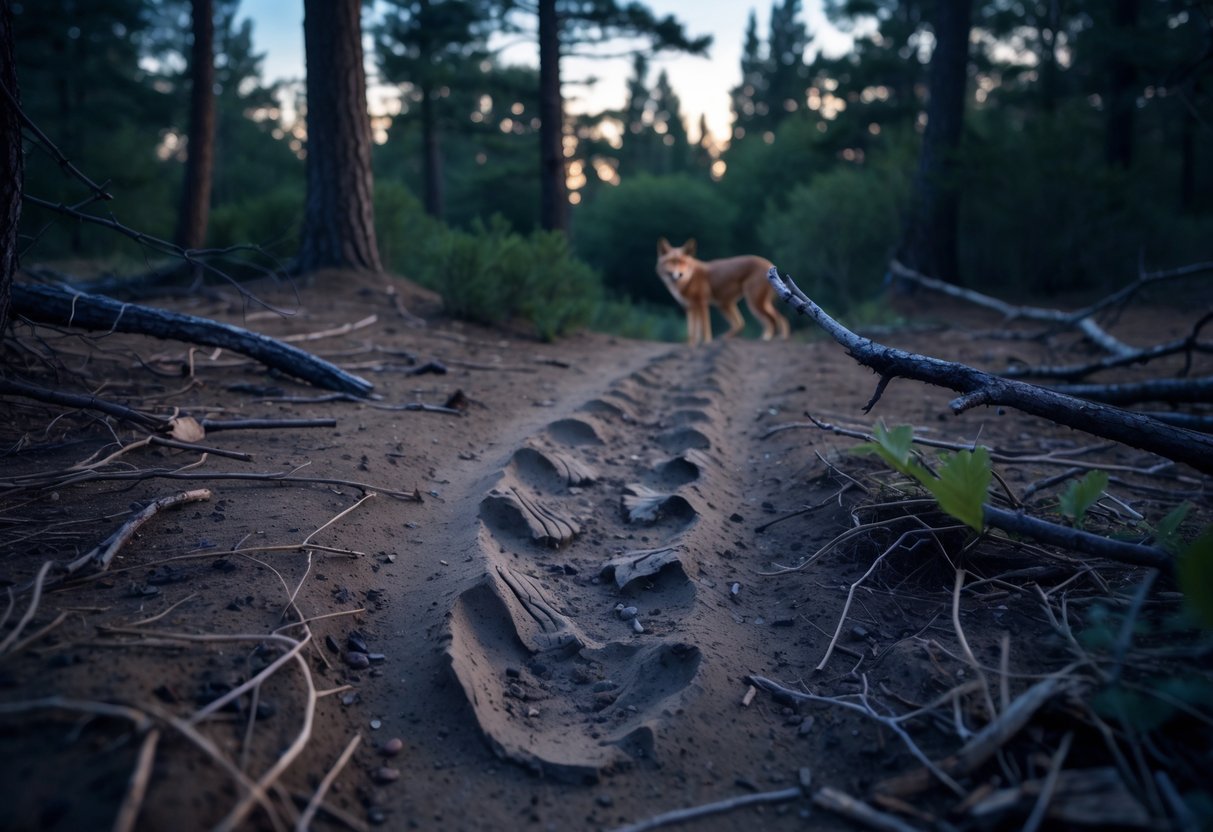
Coyotes tend to be pretty shy and will avoid people when they can, so catching a glimpse isn’t easy. Still, if you pay attention to nighttime sounds or check for oval tracks and twisted droppings, you might figure out if one’s been near your home or yard.
Knowing these signs helps you stay safer and keep your pets or property protected. Once you know what to watch for, you’ll probably feel a lot more at ease living around these wild neighbors.
For more details, check out this guide on how to tell if a coyote is nearby.
Identifying Signs of Coyotes Nearby

Coyotes leave behind pretty obvious clues when they’re close. You might hear their calls, spot their footprints, see their scat, or find signs in your yard or on your animals.
If you know what to look for, you can stay alert and keep your home or pets safer.
Recognizing Coyote Vocalizations
Coyotes love to “talk” and use sounds to communicate with each other. At night, you might catch their howls, yips, or barks drifting through the air.
Howling usually means they’re calling their pack or marking territory. Sometimes a few coyotes howling together can sound like a whole crowd, but it’s usually just a handful chatting.
Barks and yips happen when coyotes are closer together. They use these to get attention or check in with each other.
You might also hear the occasional whine or growl, though howls and barks are definitely the most common. If you’re listening at dawn or dusk, you’ve got a good chance of picking up on these sounds if coyotes are nearby.
Spotting Coyote Tracks
Coyote tracks look a lot like dog tracks, but there are a few differences. They’re usually about 2.5 to 3.5 inches long, which is about the size of a medium dog’s paw.
Coyote prints tend to be more oval, while dog prints look rounder. The claw marks are a giveaway—coyotes have sharper, more pointed nails, while dogs’ nails get blunter from walking on pavement.
If you look at the toe pads, you’ll notice more empty space between them in coyote tracks. If you find tracks near your place, check the size and shape to figure out if it’s a coyote, dog, or even a wolf.
Identifying Coyote Scat
Coyote scat is actually a really helpful sign since they leave it on trails or at the edge of their territory. Their droppings look like twisted ropes and often have hair, bones, or plant bits in them—shows they eat a mixed diet.
You might spot scat near fences, the edge of your garden, or paths they use often. Coyotes use their scat to mark territory and send messages to other coyotes, so you could see it piling up in the same spots.
If you find droppings that match this description, there’s a good chance coyotes are around.
Physical Sightings and Animal Remains
Spotting a coyote out in the open or on your property is a surefire sign they’re close, but it doesn’t happen much. They’re shy and usually move around at night.
If you do see one during the day, it’s probably searching for food or just passing through. Sometimes, you’ll notice injured or missing livestock, like chickens or goats.
Coyotes often go after smaller or unprotected animals. You might see claw marks on the head or neck since they usually target those spots first.
Check fences for digging or fur caught on the wire. Coyotes can squeeze under loose fences.
These physical clues help you confirm if coyotes have been near your place.
For more info on coyote signs, visit Pest Pointers.
What Attracts Coyotes and How to Deter Them
Coyotes show up where they can find food, shelter, or safety. If you want fewer visits, focus on getting rid of what draws them in and make your space less appealing.
You can protect pets and livestock, put up barriers, and change habits that make your yard attractive to coyotes.
Common Food Sources That Lure Coyotes
Coyotes will eat almost anything. They hunt rodents like rats, mice, voles, and moles, but they’ll also grab easy meals you might not think about.
Leaving pet food outside or feeding stray cats can bring coyotes closer. Fallen fruit, like figs, is a natural magnet, as are open trash cans or compost bins.
Even a dirty grill with leftover food can attract them.
To cut down on coyote visits:
- Feed pets indoors and pick up leftovers.
- Lock down garbage cans with tight lids.
- Clean grills after you use them.
- Pick up fallen fruit and cover compost.
These simple steps can make your place less tempting for coyotes.
Keeping Pets and Livestock Safe
Keep small pets and livestock safe by watching them when they’re outside. Don’t leave cats or small dogs alone outdoors or let them wander.
Use a leash no longer than 6 feet when you walk your dog. If a coyote pops up, pick up your small dog.
For livestock, secure coops and pens with coyote-proof fences—8 feet or taller works best. You might want to add coyote rollers on fences to stop them from climbing.
Keeping pets inside at night cuts down the risk a lot. Never feed wildlife near your pets, since that just draws coyotes closer.
Yard Modifications and Exclusion Techniques
If you make your yard harder for coyotes to get into, they’ll usually move on. Put up fences at least 8 feet tall with concrete footers so they can’t dig underneath.
Add fence extensions or coyote rollers for extra security. Motion-activated lights can startle coyotes and scare them off.
Cut back any thick brush or overgrown spots near your house. Coyotes love to hide in those areas.
Clearing these spots makes them less comfortable. You could also use motion-activated sprinklers to surprise coyotes and keep them moving along.
Human Behaviors to Avoid
Some habits just draw coyotes closer to your property. Please don’t ever feed coyotes or any wild animals, no matter how much you want to help.
Try not to provide water sources for them or their prey. Even bird feeders can attract rodents, which coyotes love.
Don’t leave pet food outside. Make sure your trash cans stay sealed up tight.
Keep an eye on your pets when they’re outside. It’s best not to give coyotes easy food or shelter options.
If you spot a coyote, don’t turn your back or run away. Make some noise or wave your arms—anything to startle and send it packing.
Tweaking these habits really does help keep coyotes wild and out of your space.
Want more tips? Take a look at this guide on how to keep coyotes away from your property.


