
Ever see a small, striped rodent scurrying around and think, “Hey, is that a chipmunk?” You might actually be looking at a ground squirrel.
Ground squirrels show off stripes on their backs just like chipmunks do, but their faces don’t have those bold, racing lines. That’s honestly one of the fastest ways to tell them apart when you catch them zipping through your yard or garden.
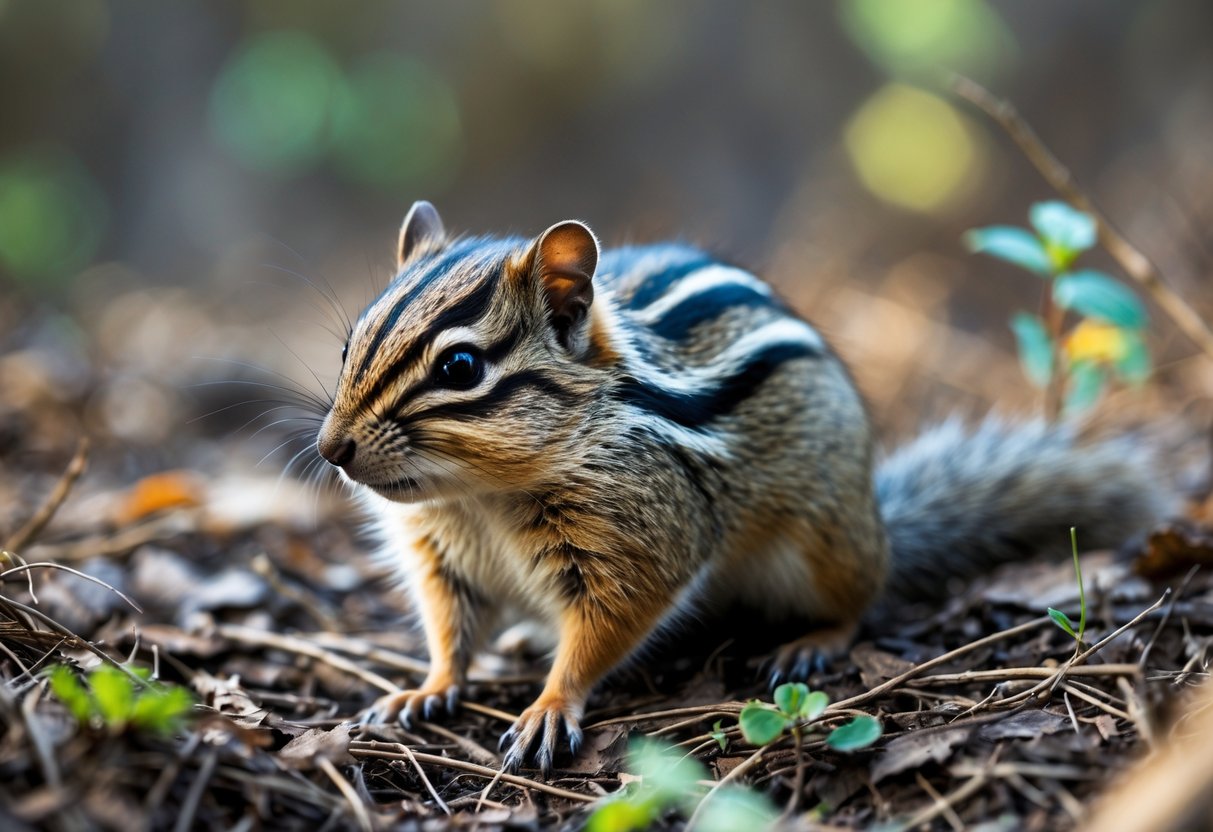
Ground squirrels tend to be bigger, with a chunkier build compared to the slim, quick chipmunk.
Chipmunks love wooded areas and hide out in small, sneaky burrows, while ground squirrels pick open spaces and live in bigger colonies with tunnels you can actually spot.
It’s handy to know these differences—whether you’re trying to figure out what’s digging up your garden or you’re just curious about the little critters running around outside.
Animals Commonly Mistaken for Chipmunks
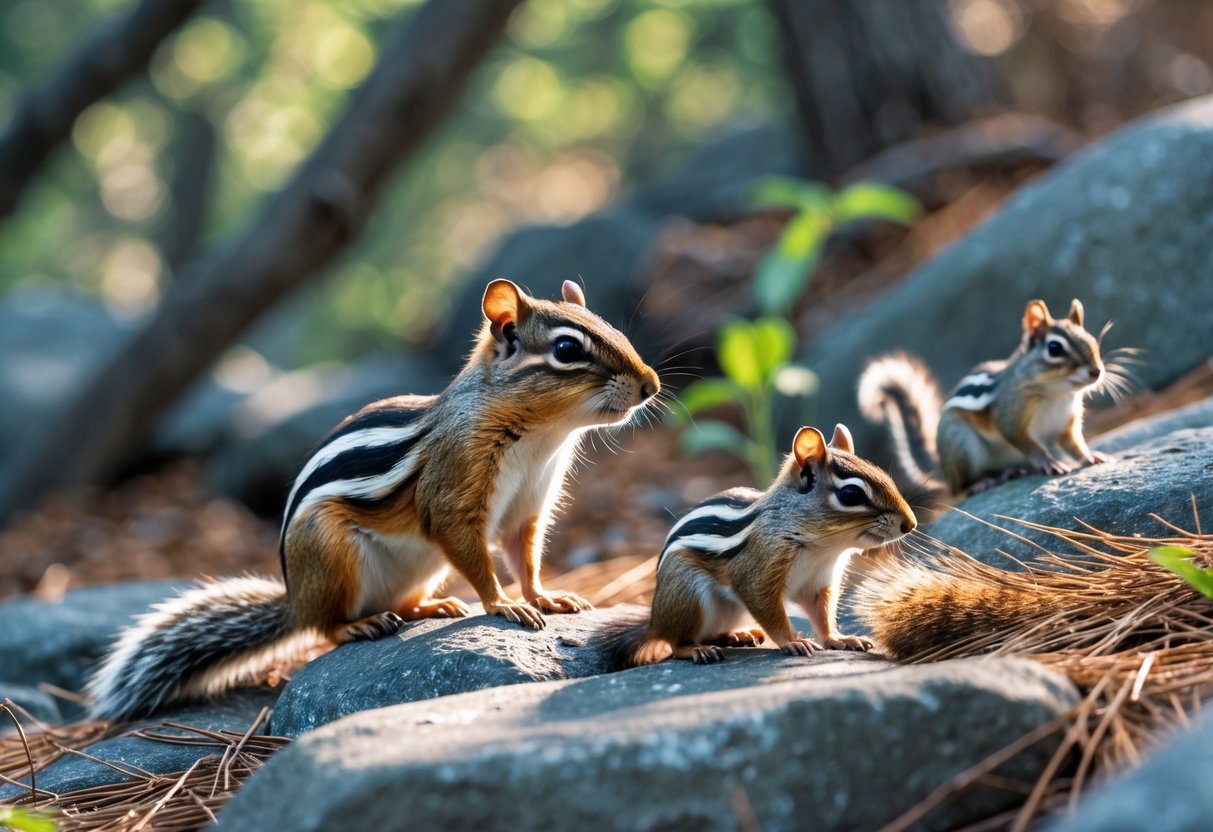
You might spot a tiny, striped mammal and instantly think “chipmunk.”
But not every striped rodent is a chipmunk. Some look almost identical but actually belong to other squirrel relatives or different rodent families.
Knowing what sets them apart can help you figure out what you’re actually seeing out there.
Ground Squirrels: Key Differences and Identification
People mix up ground squirrels and chipmunks all the time—both have stripes on their bodies.
But ground squirrels usually dwarf chipmunks, sometimes doubling or tripling their size.
Here’s a big clue: chipmunks have those classic stripes running across their heads, while ground squirrels skip the facial stripes and stick to stripes on their bodies.
Ground squirrels just look more robust, with a rounder body and a less delicate vibe.
If you’re out west camping or hiking, you’ll probably run into golden-mantled ground squirrels.
They look like oversized chipmunks but are a totally different animal.
Ground squirrels don’t really bother with climbing trees.
They’d rather stick to the ground or hang out in their burrows.
Tree Squirrels: How to Tell Them Apart
Tree squirrels share the same family as chipmunks, but honestly, they look pretty different.
They’re much bigger, with those iconic fluffy tails and—no stripes.
Tree squirrels stick to solid-colored fur, usually gray or black, depending on your area.
You’ll often catch them racing up trees, something chipmunks rarely do.
See a bushy-tailed, stripe-free squirrel near your bird feeder or up in the branches?
That’s your tree squirrel, not a chipmunk.
Mice and Other Small Rodents That Resemble Chipmunks
Sometimes mice or other tiny rodents get mistaken for chipmunks, especially if you just catch a glimpse.
But most of these animals don’t have the bold stripes chipmunks rock.
Mice are smaller, with plain fur and those big ears that kind of stand out.
Some of these small critters belong to totally different groups and live all over North America and Asia.
If you spot a quick, tiny animal with no stripes and a thin tail, you’re probably looking at a mouse.
They usually stay close to the ground and avoid open spots where chipmunks might hang out during the day.
Want to dig deeper into these animal lookalikes? Check out more info on golden-mantled ground squirrel versus chipmunk characteristics.
Habitats, Behaviors, and Unique Features of Lookalikes

Spot a small striped rodent and think it’s a chipmunk?
You’re not alone. A bunch of animals look similar and even share some habits.
But if you look at their size, stripes, favorite hangouts, and how they act, you can usually tell them apart.
Stripes, Tails, and Size: Visual Comparisons
Chipmunks have seven stripes, running from their heads all the way down their backs and tails.
Ground squirrels, like the golden-mantled ground squirrel, wear stripes on their bodies but none on their heads.
Ground squirrels also show off a white ring around their eyes, which chipmunks don’t have.
Tree squirrels, like the Eastern gray squirrel (Sciurus carolinensis), are way bigger, with bushy tails and zero stripes.
Siberian chipmunks, found in Asia, look a lot like North American chipmunks but have slightly different stripe patterns.
When it comes to size, ground squirrels can be twice as long and heavy as chipmunks.
Marmots, which are related, look even bulkier and don’t have stripes at all.
Geographic Range and Preferred Environments
Chipmunks stick to wooded spots with plenty of oak and pine trees.
They love being near acorn-filled forests since acorns make up a big chunk of their diet.
You’ll see them in backyards, forests, and along woodland edges.
Ground squirrels pick open meadows, rocky hillsides, and fields.
They dig burrows underground and often share their space with others in colonies.
Spot a striped rodent on a slope instead of deep in the woods? That’s probably a ground squirrel.
Tree squirrels hang out in forests and city parks, especially where there are big oaks or hickories.
They don’t hibernate, so you’ll see them year-round nesting in trees.
Activity Patterns: Diurnal vs. Nocturnal Habits
Most chipmunks and their lookalikes are diurnal—they’re out and about during the day.
You’ll usually see chipmunks darting around early in the morning or late afternoon, busy collecting food.
Ground squirrels also pop up during daylight and might stand their ground if they feel threatened.
Chipmunks, on the other hand, will bolt for their burrows if they sense danger.
Tree squirrels stay active all day too and skip hibernation in winter.
Instead, they hunker down in tree cavities or sometimes sneak into buildings for warmth.
So, if you hear something rustling in your attic or spot a squirrel at your feeder in the dead of winter, it’s probably a tree squirrel.
Diet and Food Storage Behaviors
Chipmunks and their close relatives mostly eat nuts, seeds, fruits, insects, and sometimes vegetables. When fall rolls around, they start gathering tons of food to get ready for winter.
You’ll often see chipmunks stuffing food into their cheek pouches—those things can actually stretch up to three times the size of their heads. They haul acorns and pine seeds back to their burrows, so they’ll have snacks during breaks from hibernation.
Ground squirrels stash food too. Some of them even leave the burrow to look for more on those rare warm winter days.
Tree squirrels don’t bother hibernating at all. They just keep eating through the year, raiding bird feeders and tucking away nuts in tree crevices whenever they can.
If you’ve got cats or dogs hanging around outside, you might spot squirrels or chipmunk-like critters darting around to avoid them. Birds of prey—like hawks or owls—hunt these little guys too, so you’ll notice how quickly they freeze or dash to stay safe.


