
If you’re looking for a tiny, fluffy dog that’s perfect for your home, you might be thinking of the Shih Tzu. This charming breed is one of the most popular small Chinese dog breeds. It is known for its playful personality and affectionate nature. Shih Tzus make wonderful family pets, bringing joy and companionship to households of all kinds.
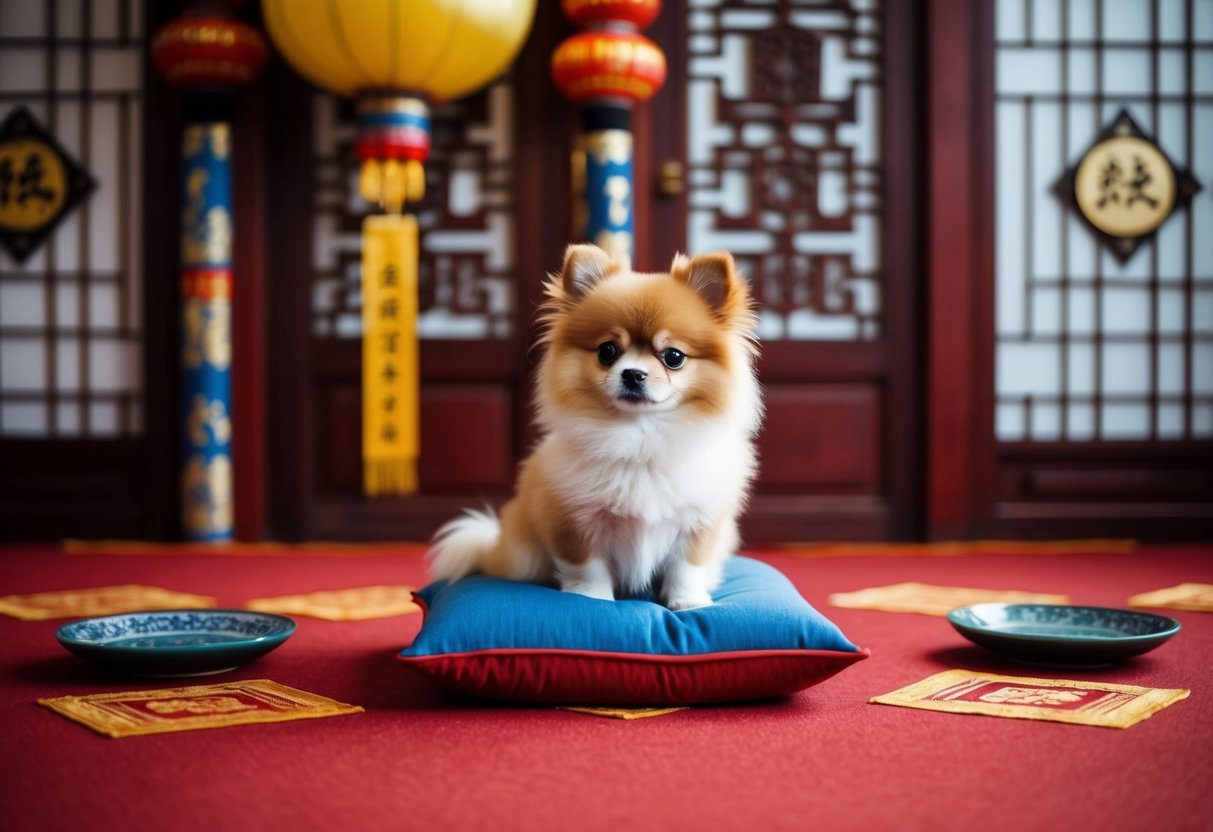
These dogs are not just cute; they have a rich history as cherished companions of Chinese nobility. Their lion-like appearance and lively spirit are part of what makes them so lovable. As you explore the world of small Chinese dog breeds, you’ll find that the Shih Tzu stands out for its unique traits and loyal temperament.
If you want a fluffy friend that can easily adapt to your lifestyle, the Shih Tzu is worth considering. Get ready to learn more about this delightful breed and why it might just be the perfect addition to your family!
Origins and Breed History
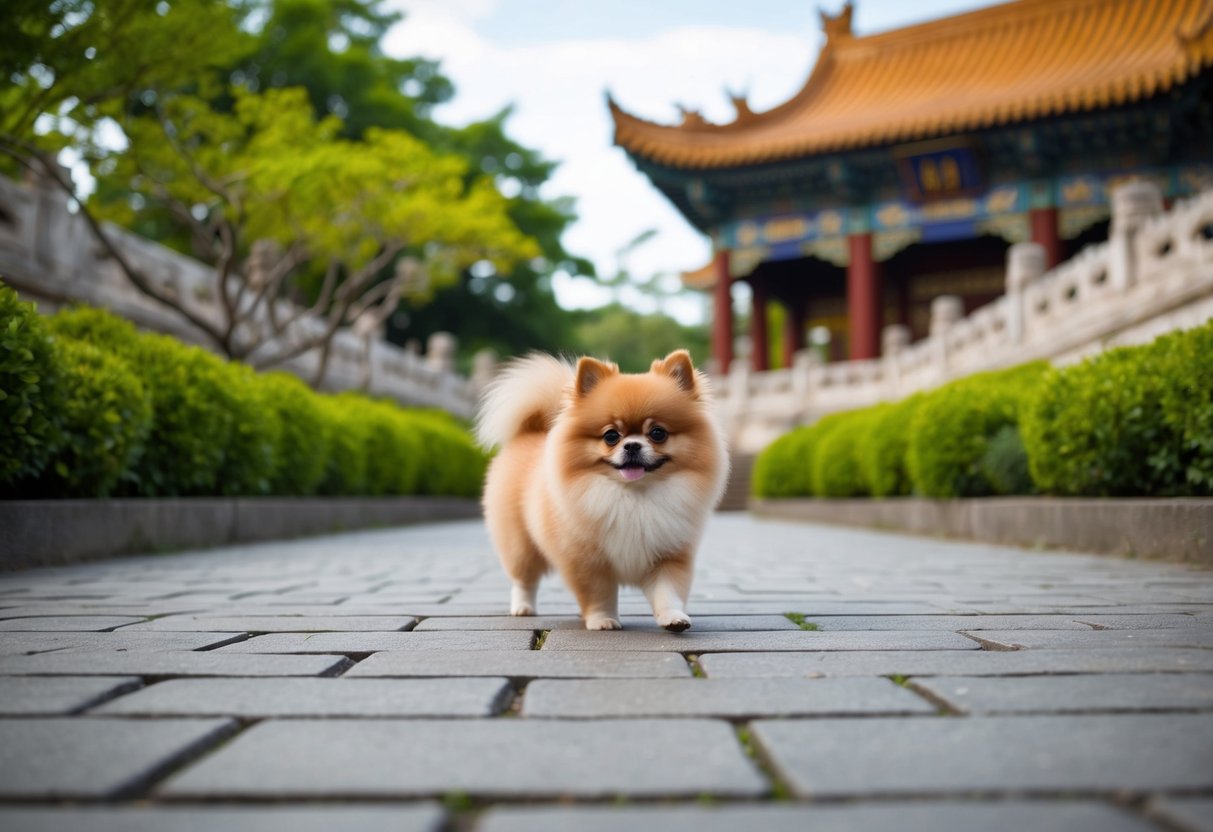
The tiny fluffy Chinese dog, known for its charming appearance, has a rich history tied to Chinese nobility and culture. Its origins reveal connections to royalty and ancient traditions.
Shih Tzu and Imperial Connections
The Shih Tzu, often called the “Lion Dog,” has roots deeply embedded in China’s Imperial past. These dogs were favored by Chinese royalty, especially during the Ming and Qing dynasties. They were bred specifically for the emperors and their families, symbolizing their status.
Shih Tzus were often gifted to foreign dignitaries as a gesture of respect, showcasing their importance. Their fluffy coat and small stature made them popular companions among the elite. As a result, the breed has a legacy of serving in royal palaces and being adored by noble families.
Influence of Chinese Dog Breeds
Chinese dog breeds have played a significant role in shaping the characteristics of many popular breeds today. The Shih Tzu’s ancestry is linked to ancient dog breeds revered for their companionship and loyalty.
Breeds like the Pekingese and the Tibetan Terrier also reflect the influence of these early dogs. Many were raised in Buddhist monasteries, where they were cherished for their gentle nature and loyalty. Their beauty and temperament have influenced how dogs are appreciated worldwide.
Notable Ancient Chinese Dog Breeds
Along with the Shih Tzu, other notable ancient breeds include the Pekingese, Chow Chow, and Tibetan Mastiff. These breeds have origins dating back thousands of years, showcasing diverse traits that appealed to different lifestyles.
The Chow Chow, for instance, is known for its unique blue-black tongue and has been around for over 2,000 years. Each of these breeds tells a story of China’s cultural history and highlights the deep bond between humans and dogs over the centuries.
Physical Characteristics
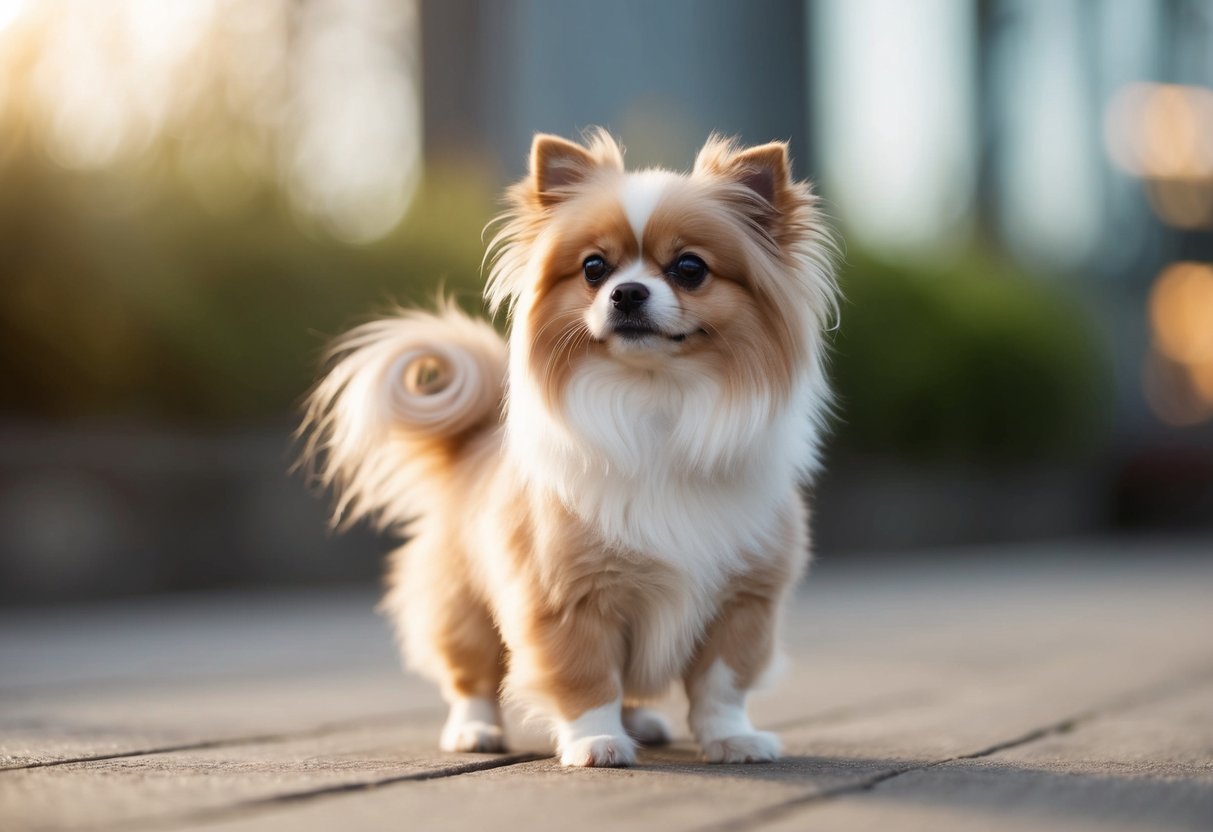
Tiny fluffy Chinese dogs have unique traits that set them apart. These characteristics include their distinctive skull shape, coat types, and overall size. Understanding these features can help you choose the right companion for your lifestyle.
Understanding Brachycephalic Dogs
Many tiny Chinese breeds, like the Shih Tzu, are classified as brachycephalic. This means they have short noses and flat faces.
While this cute appearance can be endearing, it can lead to health problems. Brachycephalic dogs may struggle with breathing, especially in hot weather.
It’s essential to monitor their activity level and avoid excessive heat. Regular veterinary check-ups can help ensure your furry friend stays healthy and happy.
Coat Varieties and Grooming
Tiny Chinese dog breeds come in various coat types. For instance, Shih Tzus have long, flowing fur that requires regular grooming.
You might also encounter hairless breeds, such as the Chinese Crested. These dogs need special skin care to prevent irritation and sunburn.
Regardless of the breed, grooming is essential for all. Brush your dog regularly to prevent matting and keep their coat shiny. Bathing once every few weeks helps maintain a clean appearance and healthy skin.
Size and Appearance
Tiny Chinese dogs are generally small and lightweight. Most breeds, like the Shih Tzu and Toy breeds, weigh between 4 to 16 pounds.
They often measure between 7 to 12 inches in height, making them perfect lap dogs.
Their expressive faces and charming personalities make them excellent companions. You’ll often find these dogs’ large, round eyes reflecting their playful nature.
In various colors and patterns, these dogs are more than just pets; they’re adorable family members.
Behavior and Temperament
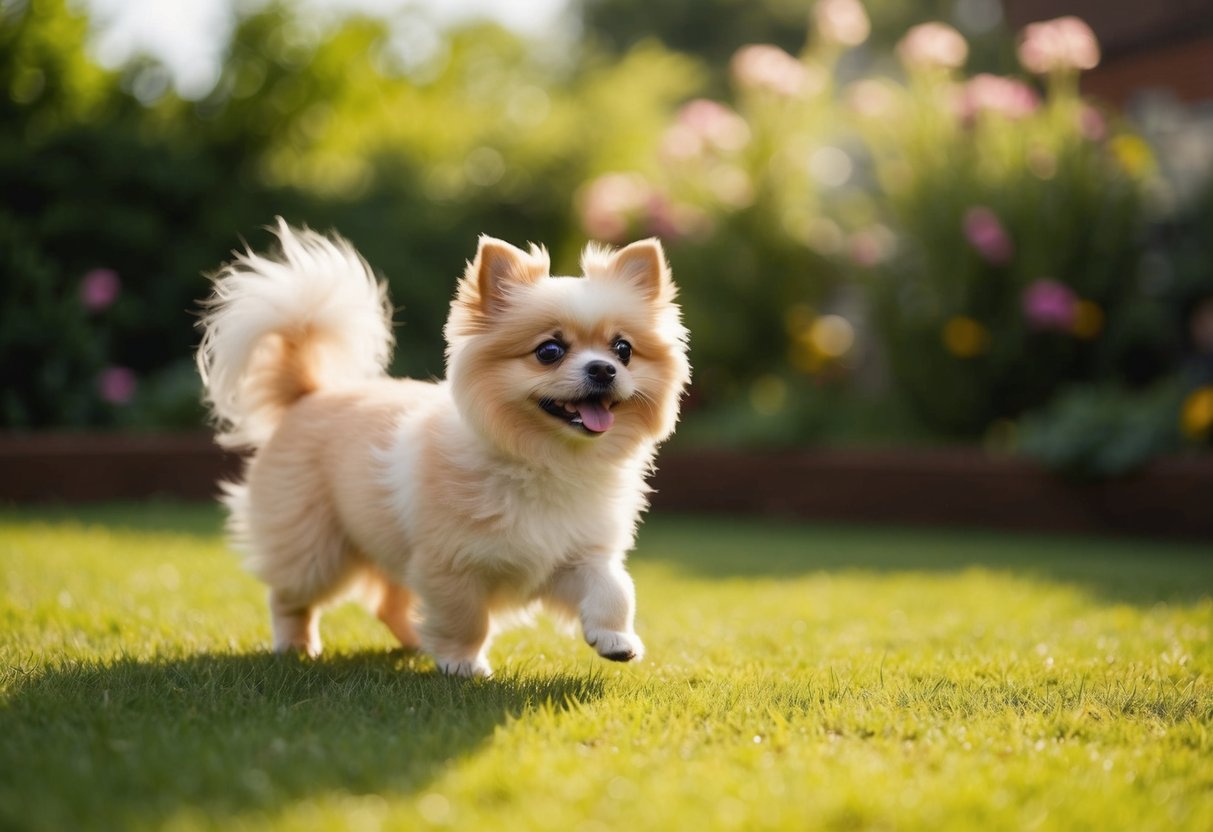
Tiny fluffy Chinese dogs are known for their charming behavior and loving traits. They are playful companions that fit well in family settings and adapt easily to various lifestyles. Understanding their behavior and temperament helps you build a strong bond with these delightful pets.
Affectionate and Loyal Companions
These small dogs are often very affectionate. They thrive on human interaction and enjoy cuddling up on your lap. Known for their loyalty, they create strong attachments to their families, making them excellent companions.
You’ll find that they are responsive to your emotions. They can sense when you are happy or sad and will offer comfort. Their playful nature keeps the atmosphere joyful. When being trained, their love for praise makes them eager to learn.
Toy Dogs and Family Dynamics
As toy dogs, these breeds fit well in various family environments. Their compact size means they can live comfortably in apartments or small homes. They adapt to the hustle and bustle of family life.
They get along well with children but should be supervised during playtime. Their playful demeanor helps them bond with family members, enhancing family dynamics. Additionally, they often form close relationships with other pets in the household, promoting harmony.
Socialization and Training
Socialization is crucial for these tiny dogs. Introducing them to different people, settings, and pets helps them develop confidence. This process is essential to prevent shyness or over-excited behavior in unfamiliar situations.
When it comes to training, keep sessions positive. Use treats and praise to encourage good behavior. Remember, these dogs desire your approval, making them keen learners. Regular training reinforces your bond and instills good habits, making your life easier.
Health and Care

Taking care of a tiny fluffy Chinese dog, like the Shih Tzu or Chinese Imperial Dog, involves understanding their specific health needs. These breeds are prone to certain health issues that require your attention. Caring for their diet and ensuring they get enough exercise is also key to keeping them happy and healthy.
Common Health Concerns
Tiny fluffy dogs often face specific health issues. One common problem is eye problems. Because of their facial structure, dogs like the Shih Tzu may develop conditions like dry eye or cataracts. Regular vet check-ups can help catch these early.
Another concern is brachycephalic airway syndrome, which affects breeds with short noses. This can lead to breathing difficulties, especially in hot weather or during exercise. You’ll want to monitor your dog for any signs of distress.
Additionally, dental health is crucial. These tiny dogs are prone to dental issues, so you should establish a good dental care routine, including regular brushing and dental chews.
Dietary Considerations
A balanced diet is vital for the health of your tiny fluffy dog. Choose high-quality dog food specifically formulated for small breeds. Look for options that have protein as the first ingredient, as this will support their energy needs.
You should feed your dog small, frequent meals to prevent obesity. This is especially important since these breeds are prone to gaining weight. Avoid giving excessive treats, and choose healthy options like small pieces of carrots or blueberries.
Also, be sure to consult your vet regarding any special dietary needs. Some dogs may require specific diets based on health issues, such as allergies or sensitivities.
Exercise and Activity Levels
Small, tiny fluffy dogs need regular exercise. A daily routine of short walks and playtime helps keep your dog fit. This is essential for their physical and mental well-being.
Aim for at least 30 minutes of activity each day. This can include gentle walks or interactive play, like fetch or tug-of-war. Keep an eye on them during exercise. This is especially important in hot weather, as they can tire quickly.
Mental stimulation is just as important. Consider puzzle toys or training sessions to keep their minds engaged. A tired dog is a happy dog!


