
Are you curious about the tiniest dogs that fit perfectly in your lap and heart? Small dog breeds have a special charm that many dog lovers adore. The smallest dog that stays small is the Chihuahua, which can weigh as little as two pounds and stand just a few inches tall. These tiny companions are not only cute but also full of personality.
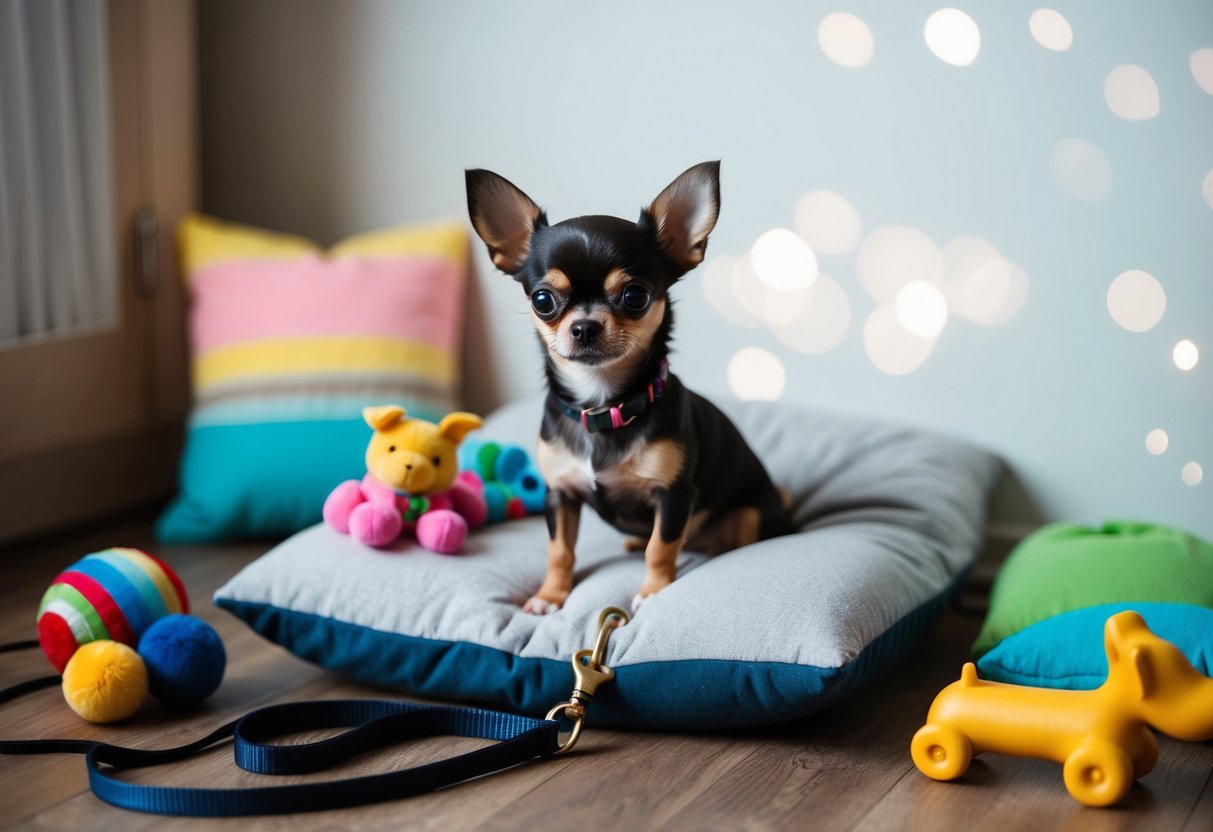
Toy Poodles are also among the smallest breeds you’ll find. They combine a manageable size with intelligence and playfulness, making them great companions for both individuals and families.
Whether you fancy the feisty Chihuahua or the smart Toy Poodle, small dogs can effortlessly adapt to your lifestyle and living space.
As you continue reading, you’ll discover more about these tiny breeds, their unique traits, and what makes them such delightful pets. From their affectionate nature to their amusing antics, the world of small dogs is enchanting and full of surprises.
Characteristics of the Smallest Dog Breeds

Small dog breeds are known for their compact size and unique traits. Understanding these characteristics can help you find the perfect tiny companion for your lifestyle. Here’s what to look for in the smallest dog breeds.
Defining Small Size
The smallest dog breeds typically weigh between 2 to 10 pounds and stand about 6 to 12 inches tall. This small size makes them easy to carry around, fitting snugly in your lap or a pet carrier.
Some popular tiny breeds include the Chihuahua, Pomeranian, and Toy Poodle. Each breed varies slightly in size and shape but shares the common trait of staying small throughout their lives. This is ideal for people living in apartments where space is limited.
Temperament and Behavior
These small dogs often have big personalities. Many tiny breeds are known for being lively, curious, and affectionate. They make great companions for individuals or families looking for a loving pet.
While some small breeds are known to be a bit yappy, most are very social and enjoy being around people. Their affectionate nature means they thrive on interaction and companionship. Basic training is usually manageable, as small dogs tend to be intelligent and eager to please.
Lifespan and Health Considerations
Small dog breeds generally have a longer lifespan compared to larger breeds, often living between 12 to 16 years or more. Regular vet check-ups are essential for monitoring their health.
These tiny dogs can be prone to certain health issues, such as dental problems and patellar luxation. Keeping them active while also ensuring a balanced diet will help maintain their health throughout their lives. Regular exercise helps prevent obesity, which is crucial for their well-being.
Popular Tiny Dog Breeds That Stay Small
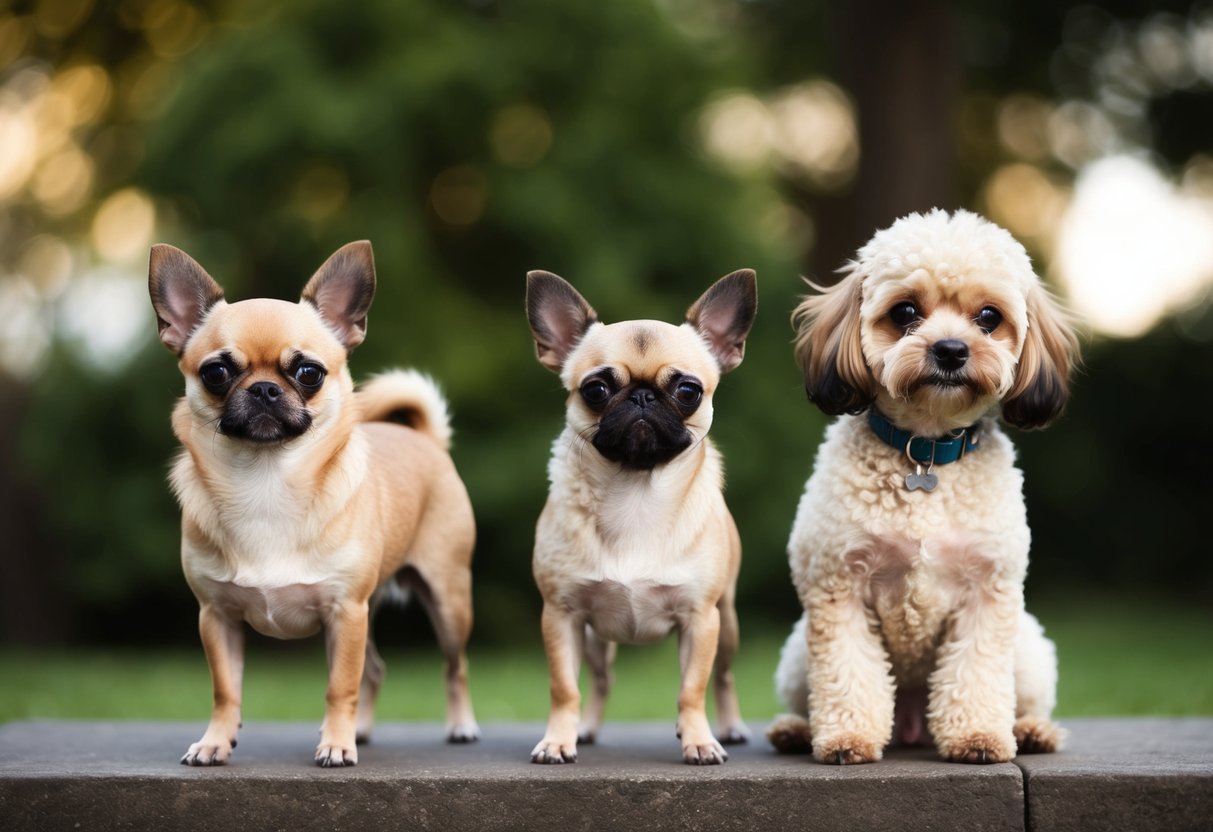
If you are looking for a small dog that stays tiny, there are many delightful breeds to consider. These furry companions not only remain small but also have unique personalities and characteristics that make them wonderful pets.
Toy Group Favorites
The Toy Group includes some of the most popular tiny breeds. The Chihuahua is known for its big personality in a small package. Weighing about 2 to 6 pounds, they are alert and loyal companions.
The Yorkshire Terrier is another favorite. They typically weigh around 7 pounds and have a sweet but feisty temperament.
The Maltese is famous for its beautiful, silky coat and playful nature. This breed weighs about 4 to 7 pounds, making them perfect for apartment living.
Other popular choices include the Pomeranian, which is fluffy and friendly, and the Papillon, known for its distinctive ear shape.
Unique Miniature Breeds
Aside from the common small breeds, there are unique options you might like. The Brussels Griffon has a charming face and weighs around 8 to 12 pounds. Their playful disposition makes them fun companions.
The Italian Greyhound is elegant and weighs about 7 to 14 pounds. This breed is affectionate and enjoys spending time with you.
The Miniature Pinscher is full of energy and personality. Weighing around 8 to 12 pounds, they are brave little dogs.
Lastly, the Volpino Italiano is not as well-known but is equally lovable. This breed weighs between 9 to 12 pounds and has a cheerful demeanor.
Perfect Lap Dogs
If snuggles are what you’re looking for, you’ll love these lap dogs. The Shih Tzu is known for its friendly nature and long hair. They weigh around 9 to 16 pounds, making them ideal for cuddling.
The Pug is another great lap dog. With their adorable wrinkles and playful personality, they weigh about 14 to 18 pounds.
The Bichon Frise, weighing 10 to 18 pounds, is cheerful and loves to be with you.
Finally, the Cavalier King Charles Spaniel is gentle and affectionate. They usually weigh between 13 to 18 pounds, making them great companions for any family.
Care and Management for Small Dogs
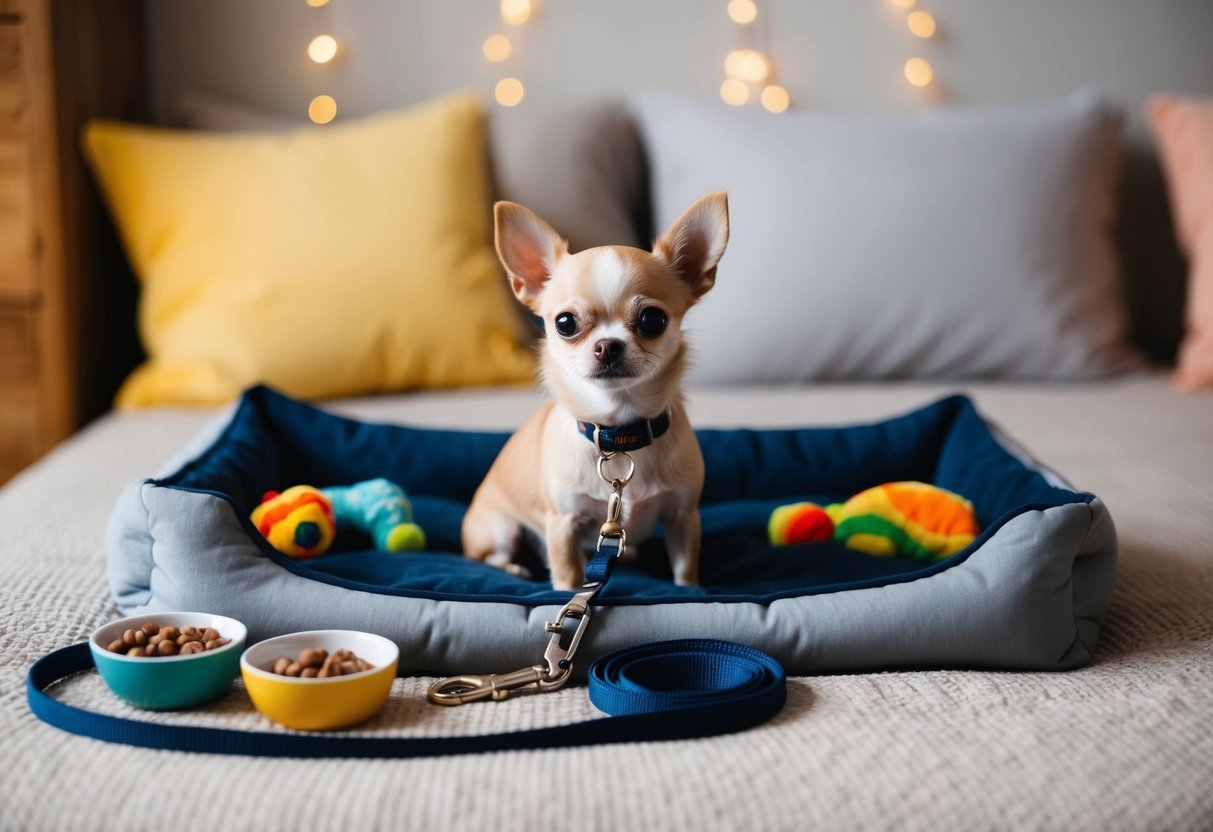
Taking care of small dogs requires attention to their unique needs. You must consider exercise routines, proper nutrition, and grooming to keep your tiny companion happy and healthy.
Exercise and Training
Small dogs still need regular exercise to stay fit. Daily walks or playtime in a safe area will help them burn off energy. Aim for at least 30 minutes of activity each day.
Training is also essential for good behavior. Start with basic commands like sit, stay, and come. Use positive reinforcement, such as treats and praise, to encourage them.
Small dogs can be easily trained but require patience and consistency.
Socialization is important too. Expose your dog to different people and environments, which helps them become well-adjusted. Short training sessions are usually more effective, so keep things fun and engaging for your little one.
Nutritional Needs
Feeding your small dog requires careful attention to their diet. Choose high-quality food designed for small breeds. Look for specific ingredients that promote health, such as high protein and healthy fats.
Monitor portion sizes to prevent overeating. Small dogs can easily gain weight, which leads to health problems. Consult your vet for proper serving sizes based on your dog’s age, weight, and activity level.
Consider splitting their meals into two or three smaller portions each day. This approach keeps their energy levels stable and aids digestion. Always keep fresh water available.
Grooming and Maintenance
Keeping your small dog looking good and feeling comfortable is key. Regular brushing is crucial, especially for breeds with longer coats. Brush them at least once a week to prevent matting and reduce shedding.
Bathing should be done every few weeks or as needed. Choose a gentle dog shampoo that won’t irritate their skin. Don’t forget to check their ears and trim their nails regularly.
Dental care is just as important. Small dogs are prone to dental issues, so brush their teeth several times a week. Providing dental chews can also help keep their teeth clean and healthy.
Routine vet visits are essential for monitoring their overall health and grooming needs.


