
Are you looking for the tiniest dog you can buy? You’re not alone. Many people love the charm and cuteness of small breeds, especially when it comes to tiny dogs that easily fit in your lap or purse. The Chihuahua often holds the title for the smallest dog breed, with some weighing just around 2 pounds. These little companion dogs are not only adorable but also make great pets for various living situations.
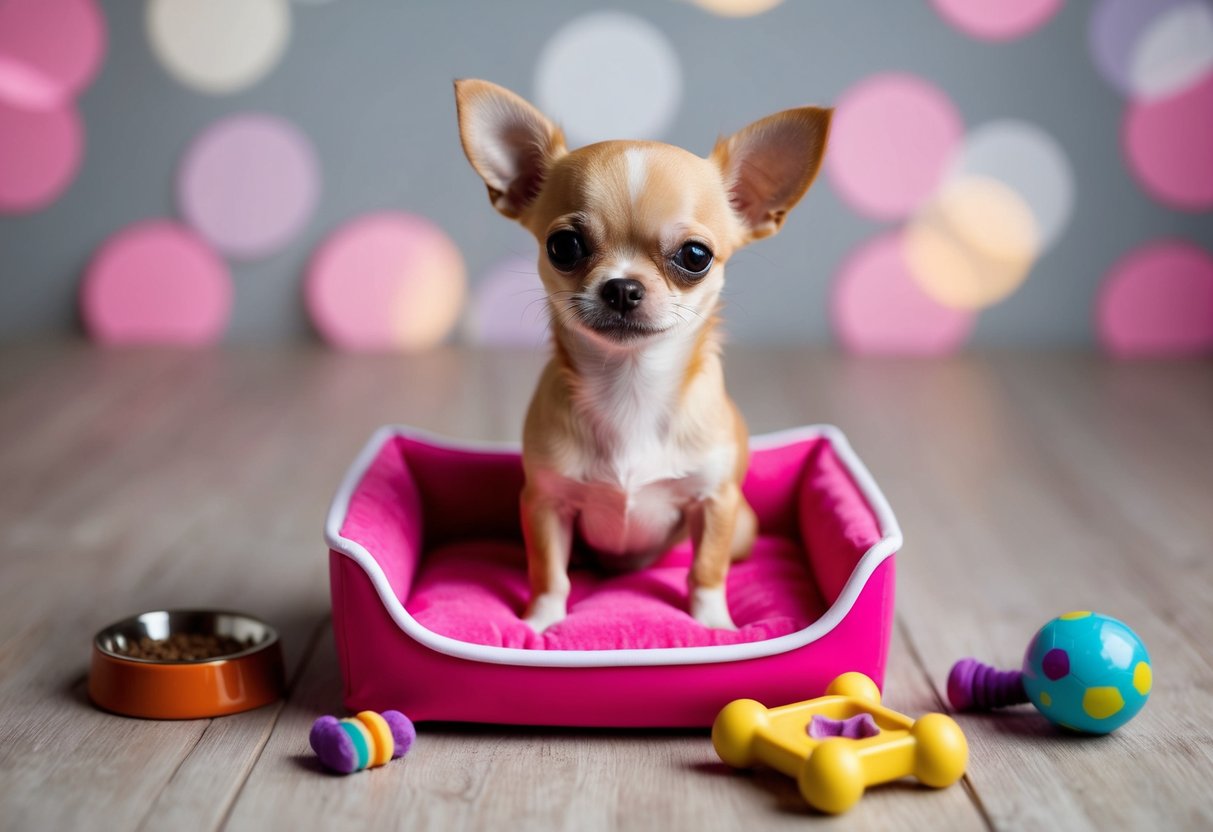
In addition to Chihuahuas, other tiny breeds like the Pomeranian and the Yorkshire Terrier are popular choices. These toy breeds are known for their lively personalities and affectionate nature, making them perfect companions. Whether you want a playful pal or a snuggly lap dog, there’s a tiny dog breed that will match your lifestyle and personality.
When you consider the tiniest dog, it’s important to think about their needs and health. Smaller dogs can be more delicate, so you need to find a responsible breeder. As you explore the options available, you’ll find that these small but mighty pups bring a lot of joy into your life.
Understanding Small Dog Breeds
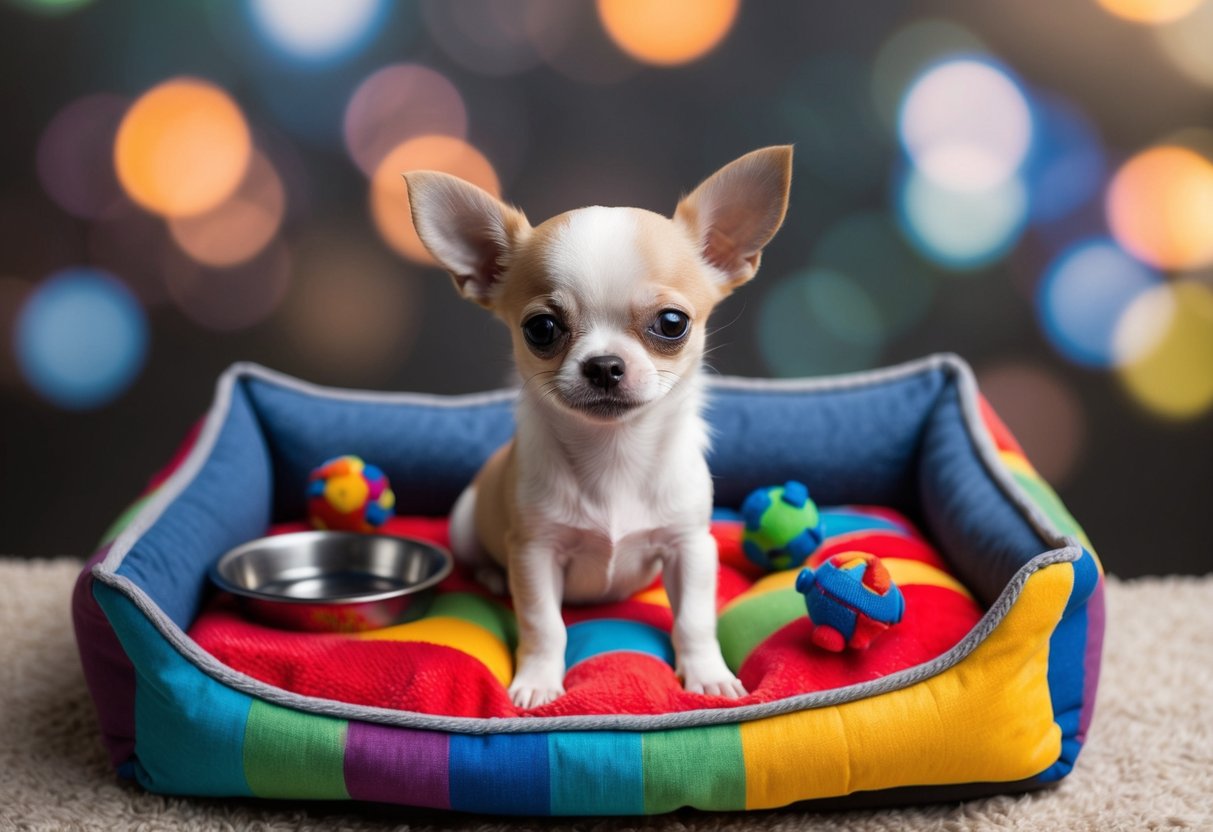
Small dog breeds make wonderful companions. They are often known for their charming personalities and intelligence. Getting to know these dogs helps you choose the right one for your lifestyle and needs.
Characteristics of Toy and Small Breeds
Toy and small dog breeds are typically under 20 pounds. These dogs are known for their cute appearances and varied personalities. Some popular breeds include:
- Chihuahuas
- Pomeranians
- Yorkshire Terriers
- Maltese
Many of these breeds are intelligent and trainable. They usually bond well with their owners and can be very loyal. Due to their size, they are great for apartment living and can be happy with less space.
Their playful nature means they often enjoy playtime, whether it’s fetching a toy or cuddling on your lap. Due to their small size, it’s important to supervise them during play with larger dogs to keep them safe.
Health and Lifespan Considerations
Small dog breeds often live long lives, sometimes reaching 15 years or more. However, they can have specific health issues. For example, some may face dental problems, patellar luxation, or heart diseases.
Regular visits to the vet are crucial to monitor their health. A balanced diet and exercise help to keep them fit. Pay attention to their teeth; small dogs can be prone to dental decay, so regular cleaning is essential.
Since many small dogs are bred for companionship, it’s important to socialize them early. This helps prevent behavioral issues and ensures they are well-adjusted. Choosing a reputable breeder can also help reduce health risks associated with small dog breeds.
Popular Tiny Dog Breeds Available

If you’re looking for tiny dog breeds to welcome into your home, there are many adorable options to consider. These breeds not only fit well in compact spaces but also bring joy with their unique personalities. Here’s a look at some popular tiny breeds you might find appealing.
Chihuahua: A Household Name
Chihuahuas are one of the smallest dog breeds, typically weighing around 2-6 pounds. Their tiny size makes them easy to carry and perfect for apartment living.
They come in various colors and coat types, including smooth and long-haired. Chihuahuas are known for their bold personalities, often acting braver than their size suggests.
They are loyal companions and can form strong bonds with their owners. Just remember, early socialization is key to helping them behave well around other pets and people.
Yorkshire Terrier: Small in Size, Big in Personality
The Yorkshire Terrier, or Yorkie, is a beloved breed known for its long, silky hair. Weighing around 4-7 pounds, they’re compact but full of energy.
Yorkies are affectionate and enjoy being pampered, making them great lap dogs. They are intelligent and sometimes stubborn, so consistent training is essential.
Their playful nature and spirited attitude can bring a lot of joy to your life. With proper grooming, a Yorkie can look as glamorous as they are lovable.
Pomeranian: Fluffy and Affectionate
Pomeranians are small, fluffy dogs that weigh about 3-7 pounds. Their double coat gives them a charming, plush appearance, making them incredibly cute.
These dogs are outgoing and love to show off their playful side. Pomeranians are intelligent and can be trained easily, though they can be a bit bossy at times.
They thrive on attention and companionship and are known for being affectionate with their families. You can expect a lively and loving pet with a Pomeranian.
Toy Poodle: Intelligence and Elegance
Toy Poodles are not just smart; they are also elegant little dogs weighing about 4-6 pounds. They are known for their hypoallergenic coat, which is perfect for allergy sufferers.
These dogs are highly trainable and excel in obedience tasks and tricks. Their intelligence means they need mental stimulation and exercise to stay happy.
Toy Poodles are friendly and often get along well with other animals and children. They love to be involved in family activities and enjoy being the center of attention.
Shih Tzu: The Lion Dog
Shih Tzus are small dogs recognized for their luxurious coats and lovely face. They typically weigh between 9-16 pounds, putting them in the small breed category.
Their friendly and outgoing nature makes them great companions. Shih Tzus were bred as lap dogs and love to be close to their owners.
They require regular grooming due to their long hair but are usually easygoing. With their charming demeanor and playful attitude, they can easily win over your heart.
Caring for Your Tiny Canine

Caring for a tiny dog involves specific attention to grooming, training, and choosing a responsible breeder. These factors help ensure that your small companion is healthy, well-adjusted, and truly a loving member of your family.
Grooming Needs for Small Dogs
Tiny dogs often have unique grooming needs. Regular brushing is important to prevent mats and tangles, especially for breeds with longer coats. Schedule grooming sessions every few weeks or more frequently if your dog has a thick or long coat.
Consider using a soft-bristle brush for short-haired breeds and a slicker brush for those with longer hair. Bathing should only be done as necessary, typically every month or two, using dog shampoo to avoid skin irritation. Don’t forget about dental care! Small dogs are prone to periodontal disease, so brushing their teeth several times a week can help keep their smiles healthy.
Training and Socialization Tips
Training your tiny dog is essential for a well-behaved pet. You can start with basic commands like “sit,” “stay,” and “come” using positive reinforcement techniques. Treats, praises, and playtime can motivate your little one. Keep training sessions short and fun to hold their attention.
Socialization is crucial too. Expose your dog to various experiences, people, and other animals. This exposure will help them be more comfortable in different situations. Enrolling in puppy classes or playgroups is a great way to build confidence and teach manners while making friends.
The Importance of a Responsible Breeder
Choosing a responsible breeder is key to bringing home a happy and healthy tiny dog. A good breeder will prioritize health, temperament, and proper breeding practices. They should provide health screenings for genetic issues common in small breeds, such as patellar luxation and heart problems.
Visit the breeder’s facility and ask for references to ensure they care about their dogs. A responsible breeder will be knowledgeable and willing to answer your questions. This choice is important not only for the dog’s health but for your family relationship with your new companion.
Considering Lifestyle Compatibility
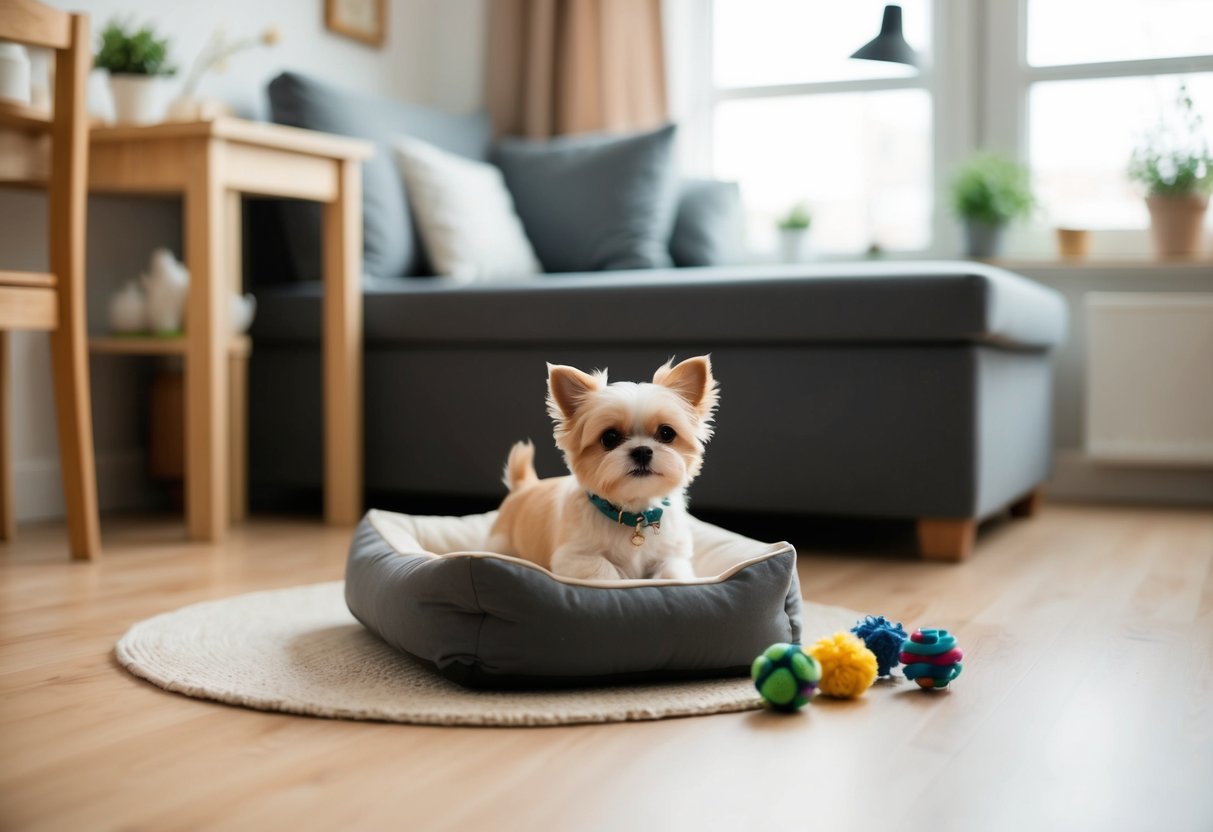
When choosing a tiny dog, it’s crucial to think about how your lifestyle fits their needs. Specific breeds might be better suited for apartment living, family life, or your activity level. Consider factors like space, companionship, and exercise requirements to ensure a happy fit for both you and your new dog.
Best Dogs for Apartment Living
Living in an apartment means you need a dog that thrives in small spaces. The Bichon Frise is playful and friendly, adapting well to indoors. The Silky Terrier also does great in smaller homes, offering a fun personality without needing a lot of space.
You should also consider the Havanese, known for their friendly nature. They enjoy bonding with their families and can be active indoors. Breeds like the Cavalier King Charles Spaniel are loving and fit nicely in smaller areas while still needing some playtime.
Adapting to Your Family and Social Life
When picking a dog, think about how it will fit with your family. If you have children, breeds like the Cavalier King Charles Spaniel are great due to their gentle temperament. They enjoy playing and can be calm when needed.
For social lives, consider choosing a dog that is friendly with other pets and people. The Bichon Frise is known for its sociable nature, making them a fun addition to family gatherings. Dogs like the Havanese love being part of the family, adapting well to various activities with everyone.
Activity Needs for Compact Companions
Even small dogs have specific activity needs. The Silky Terrier is a tiny breed that requires daily exercise to keep them happy. They need short walks and playtime to stay fit and healthy.
The Bichon Frise is another playful dog that enjoys outdoor activities. Aim for 30 minutes of activity for them each day. The Havanese is lively too and loves interactive play. Keeping your dog active ensures they are not only healthy but also emotionally balanced, ready for cuddles at the end of the day.


