
If you’re curious about the tiniest companions in the dog world, teacup dogs might just steal your heart. Known for their small size and playful personalities, these adorable pets often fit into the palm of your hand.
The smallest teacup dog breed is the Teacup Poodle. A Teacup Poodle stands under 10 inches tall and weighs around five pounds.
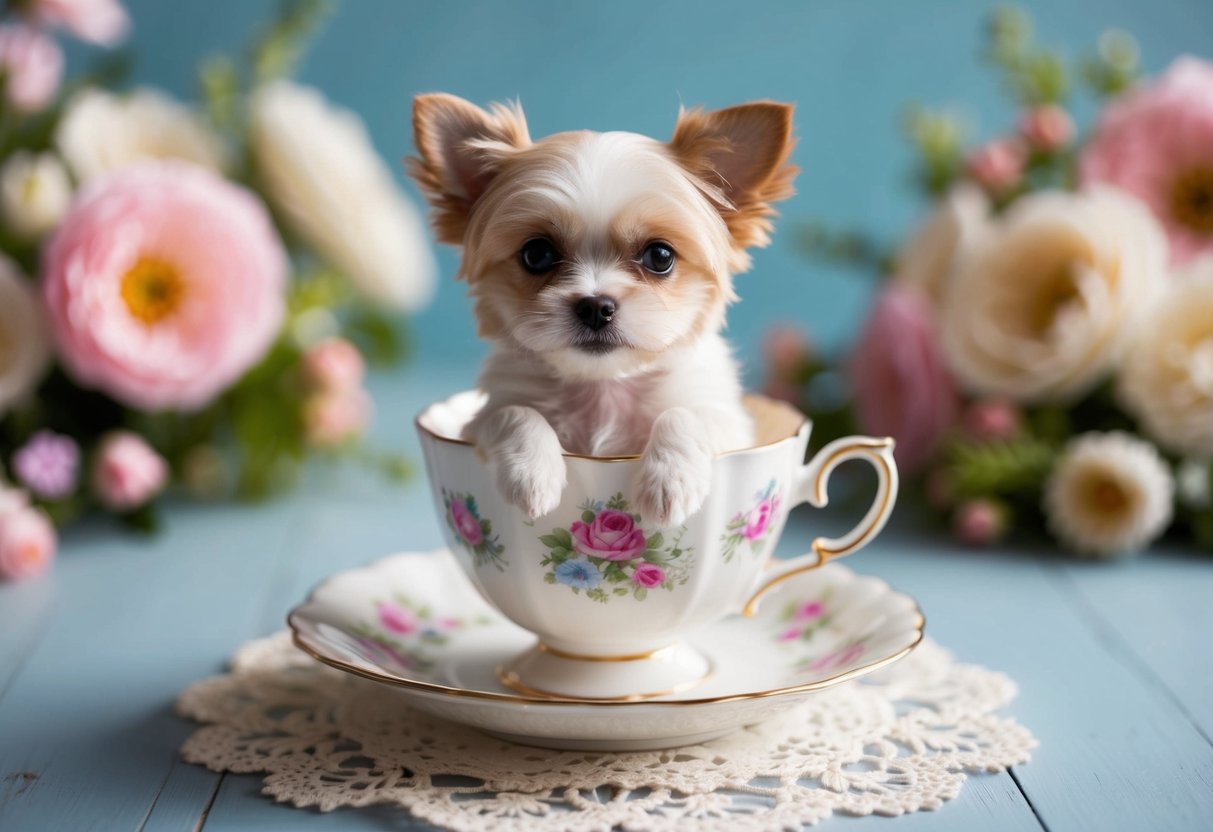
These tiny pups pack a lot of charm in their little frames. Teacup dogs are not just cute; they offer companionship and joy while requiring special care due to their delicate nature.
Finding the right teacup breed for your lifestyle can be a fun journey, so let’s explore all the important details together!
Understanding Teacup Dogs

Teacup dogs are small, charming companions that are loved for their miniature size and playful personalities. They come from various toy breeds and are often sought after for their suitability as apartment pets.
Here, you’ll explore what defines a teacup breed, some popular choices, and the ongoing debate around their breeding practices.
Defining a Teacup Breed
Teacup breeds are among the smallest of small dogs. They typically weigh between 2 and 6 pounds and stand less than 17 inches tall when fully grown. These tiny pups are selectively bred from standard toy breeds like the Pomeranian, Maltese, and Chihuahua.
It’s important to note that teacup dogs aren’t a recognized category by major kennel clubs. Rather, the term is used to describe smaller versions of established breeds. These breeds can include the Teacup Poodle, Teacup Yorkie, and others.
While they are cute and cuddly, they come with specific care requirements that are important for potential owners to understand.
Popular Teacup Dog Breeds
Many people are drawn to teacup breeds for their small size and friendly nature. Some of the most popular teacup dogs include:
- Teacup Poodle: Known for their intelligence and trainability.
- Teacup Maltese: These dogs are affectionate and great lap dogs.
- Teacup Chihuahua: Often feisty and loyal, perfect for active owners.
- Teacup Pomeranian: They are fluffy and playful, making them a favorite.
Other popular choices include the Teacup Dachshund, Teacup Bichon Frise, and Teacup Havanese. Each breed has unique traits that make them special, from their size to their temperament, which makes them wonderful companions, especially for apartment living.
The Controversy Behind Teacup Breeds
While teacup dogs can be adorable, their breeding often raises concerns. Many teacup breeds come from puppy mills, where health and genetic issues are common.
Health problems can arise due to their small size, including issues with bones, teeth, and vital organs.
Finding a reputable breeder is crucial. Responsible breeders focus on the health and well-being of their dogs rather than just their size.
It’s important to research and choose a breeder who prioritizes genetic health. Caring for a teacup dog requires commitment, given their special needs and potential health risks.
Caring for Teacup Dogs
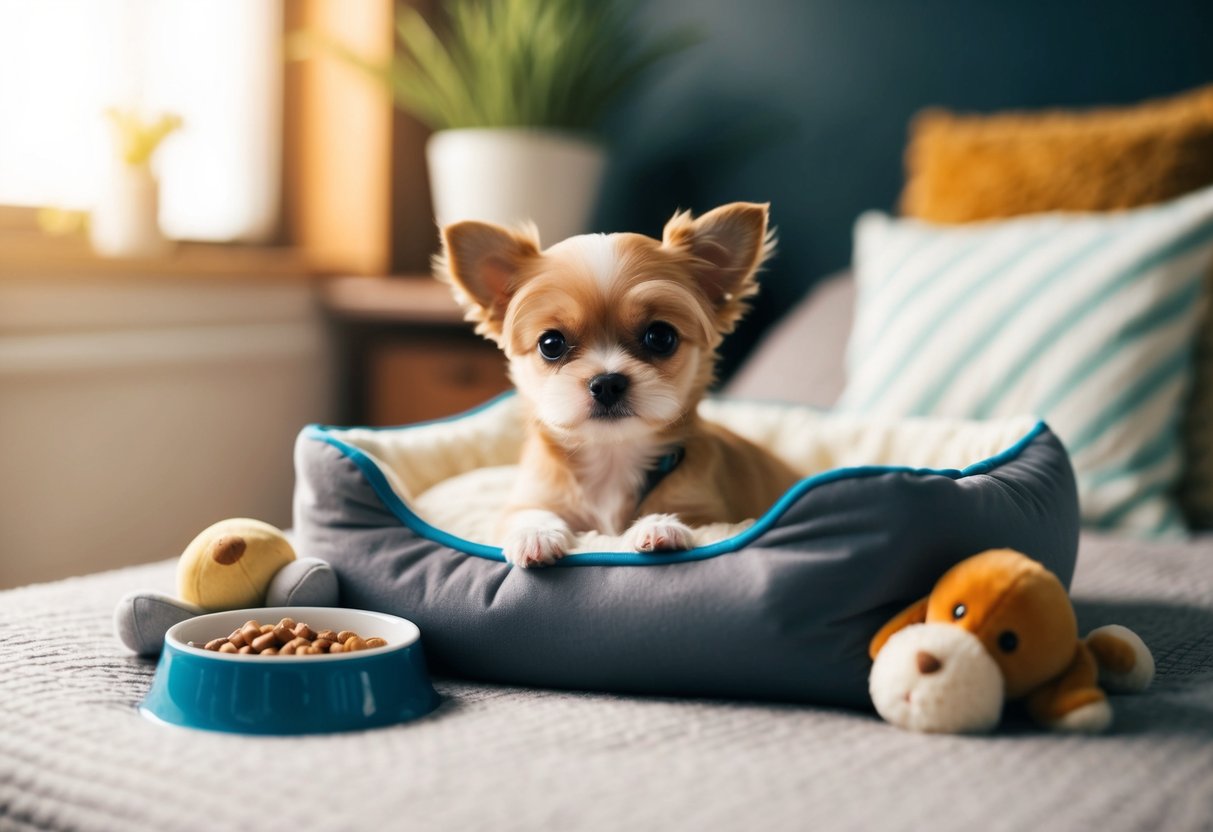
Caring for teacup dogs requires special attention to their unique needs. You will want to focus on their feeding, exercise, and socialization to ensure they live happy, healthy lives. Let’s explore how to care for these tiny companions effectively.
Feeding and Nutrition
Teacup dogs like the Toy Poodle or Pocket Beagle need a well-balanced diet. Their small size means they are prone to specific health issues, making nutrition crucial.
Choose high-quality dog food specifically designed for small breeds. Look for options with real meat as the first ingredient.
Feed your teacup dog small meals throughout the day instead of one large meal. This helps prevent hypoglycemia, a common issue in smaller breeds. Always keep fresh water available.
Avoid human food, especially items like chocolate, grapes, and onions, as these can be harmful. Snack options can include small pieces of fruits or vegetables such as carrots or apple slices, but only in moderation.
Exercise and Living Spaces
Teacup dogs require gentle exercise to stay healthy. A short walk around the block or playtime in your living room can be sufficient. Remember, they do not need intense workouts like larger breeds.
Aim for about 20-30 minutes of exercise daily. Activities like chasing a toy or light tug games work well.
Since teacup dogs are small and delicate, avoid rough play.
In terms of living spaces, make sure your home is safe. Keep small spaces and furniture in mind, as they can easily get hurt.
Create a cozy spot for them to rest, filled with a soft bed and some toys.
Training and Socialization
Training is essential for teacup dogs to ensure good behavior. Start with basic commands like sit, stay, and come. Use positive reinforcement methods, like small treats, to encourage good behavior.
Socialization is also important. Introduce your teacup dog to various people and situations early on. This helps them become well-rounded pets and reduces anxiety.
Join a puppy class if possible. It’s a great way for your dog to interact with other dogs and learn basic skills.
Consistency, patience, and love should guide your training and socialization efforts.
Health Considerations

Teacup dogs, like the teacup pug or micro Chihuahua, face unique health issues due to their small size. Common concerns include fragile bones and organ development issues. It’s essential to stay informed about these challenges to provide the best care for your tiny companion.
Recognizing Common Health Issues
Teacup puppies are prone to several health problems. Hypoglycemia is a significant risk, especially in very small breeds. Low blood sugar can cause lethargy, weakness, or fainting.
Other issues include liver shunts, which can affect blood flow and toxin removal.
Tiny breeds like the teacup French bulldog and teacup Maltipoo may also suffer from heart defects and respiratory problems.
Watch for signs of pain or discomfort. Fragile bones make these dogs more vulnerable to injuries. Conditions like patellar luxation are also common.
Regular vet check-ups are essential to catch these issues early. The health of your teacup dog should always be a priority.
Preventive Measures and Regular Care
Preventing health issues starts with proper care. Ensure your teacup dog has a balanced diet to support their energy and growth. Opt for high-quality dog food designed for small breeds.
Training and socialization are crucial too. Use positive reinforcement to ensure your pet develops well and remains mentally stimulated.
Regular vet visits help in monitoring your dog’s health. Make sure to get your dog vaccinated to protect against common diseases.
Consider dental care, as small breeds often have dental issues. Brushing your dog’s teeth regularly can prevent problems down the line.
Being proactive can help your teacup dog live a healthier, happier life. Pay attention to their unique needs, and you’ll build a strong bond with your furry friend.


