
If you’re curious about the giants of the canine world, you’re in the right place. The top 10 largest dog breeds include impressive names like the Great Dane, Boerboel, and the Tibetan Mastiff, each showcasing their unique traits along with their size. These breeds are not just about being big; they often have gentle personalities and a strong bond with their families.
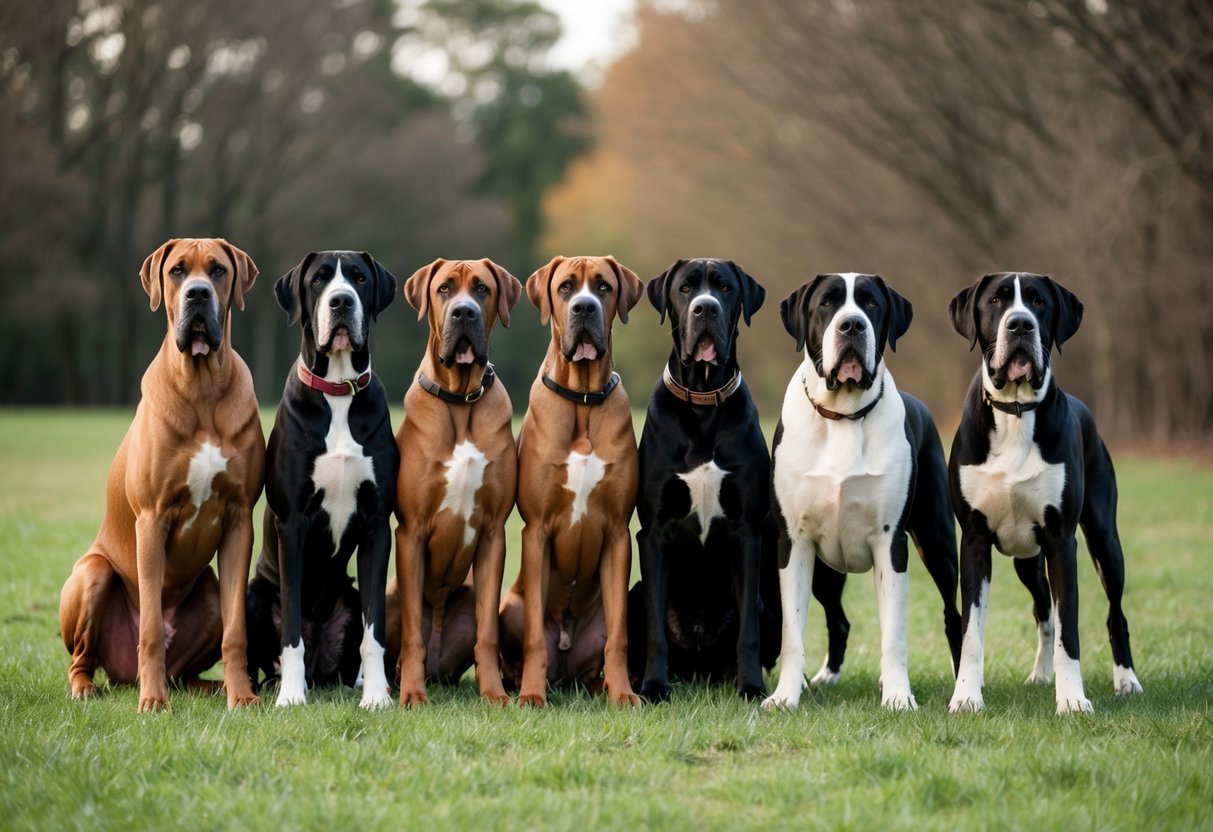
Large dog breeds can be great companions, but they also require special care and training.
As you explore the characteristics of these massive pups, you’ll find that their loyal nature and playful spirits make them stand out.
Understanding what makes each breed unique will help you appreciate the wonderful world of big dogs even more.
Keep reading to discover which breeds make the list and what sets them apart from the rest. You might just find your new favorite furry friend!
Understanding Dog Size Categories
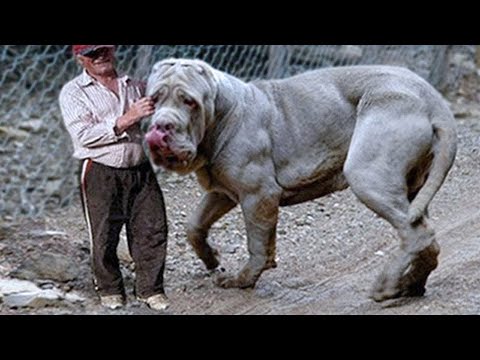
When considering dog size, it’s important to know the different categories that define how breeds are classified. You will find distinctions between large, giant, and massive dogs. Each category has unique traits and characteristics that may influence your choice of a pet.
Defining Large, Giant, and Massive
Large dogs typically weigh between 50 to 100 pounds. Breeds like the Labrador Retriever and Golden Retriever fit here. These dogs are known for their friendly temperament and ability to adapt to various living environments.
Giant dogs, on the other hand, usually weigh over 100 pounds. Breeds such as the Saint Bernard and Great Dane fall into this category. They are often gentle giants, known for their calm demeanor despite their size.
Massive dogs can exceed 200 pounds, like the Mastiff. Their size requires special care, including larger living spaces and extra food costs. Knowing these categories helps you prepare for the needs of these big dogs.
Breed Size Classification
Dog breeds are classified based on their size and weight. Here’s a quick reference:
- Large Breeds: 50-100 lbs
- Examples: Labrador Retriever, German Shepherd
- Giant Breeds: Over 100 lbs
- Examples: Great Dane, Saint Bernard
- Massive Breeds: Typically over 200 lbs
- Example: Mastiff
Understanding these classifications helps you recognize what to expect from both big dogs and the biggest dog breeds. Each breed has unique care requirements. Knowing their size category can guide you in making the best choice for your lifestyle.
Profiles of the Largest Dog Breeds
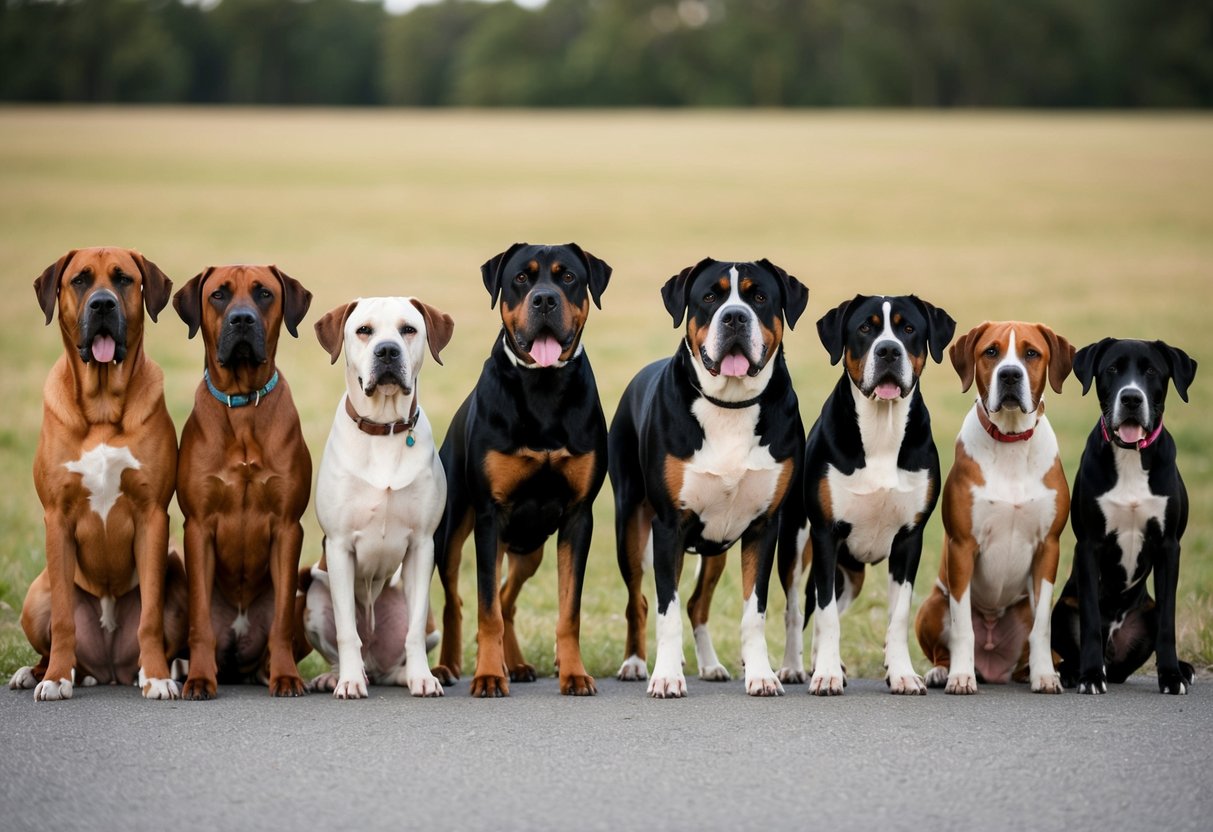
When considering the largest dog breeds, you’ll find a mix of gentle giants known for their size and friendly nature. These breeds are not just big; they have unique characteristics that can make them wonderful companions. Here’s a closer look at a few of the largest breeds that stand out.
Great Dane
The Great Dane is often recognized as the tallest dog breed in the world. Males can reach heights of 30 to 34 inches at the shoulder. Despite their size, they are known for their friendly and affectionate demeanor.
Weight Range: 110 to 175 pounds
Temperament: Gentle and friendly
Great Danes love to be part of the family. They are great with children and make excellent watchdogs. With regular exercise, they enjoy being active but are just as content relaxing at home.
English Mastiff
The English Mastiff is noted for its massive build. Many males can weigh anywhere from 150 to 250 pounds, making them one of the heaviest dog breeds.
Height Range: 27 to 32 inches
Temperament: Loyal and protective
These dogs are known as gentle giants. They are very calm and prefer a relaxed lifestyle. Make sure to provide them with socialization to help them remain friendly with strangers.
Saint Bernard
Saint Bernards are famous for their rescue work in the Swiss Alps. They stand around 26 to 30 inches tall and weigh between 120 to 180 pounds.
Height Range: 26 to 30 inches
Temperament: Gentle and friendly
These dogs have a strong instinct to help others. They are very good with kids and make excellent family pets. Regular grooming is important due to their thick fur.
Newfoundland
Newfoundlands are known for their incredible swimming ability. They can weigh between 100 to 150 pounds and stand 26 to 28 inches tall.
Weight Range: 100 to 150 pounds
Temperament: Gentle and patient
This breed has a natural lifeguard instinct. They’re very protective, especially around children. Their thick coats also require regular grooming, but they are worth the effort for such a loving dog.
Irish Wolfhound
The Irish Wolfhound is tall and elegant, often considered the tallest of all dog breeds. Males can stand 32 to 34 inches tall and weigh between 140 to 180 pounds.
Height Range: 32 to 34 inches
Temperament: Affectionate and calm
These dogs are known for being loyal companions. They are great with families and are surprisingly gentle despite their intimidating size. Regular exercise helps keep them healthy and happy.
Health Considerations for Large Dog Breeds
When you choose a large dog breed, it’s important to think about their health. Large dogs have unique nutritional needs, common health issues, and specific exercise requirements. Keeping these factors in mind can help ensure your furry friend stays happy and healthy.
Nutritional Needs
Proper nutrition is essential for large dogs. They require a balanced diet that supports their size and energy levels. Look for high-quality dog food that lists meat as the first ingredient.
Key Nutrients:
- Protein: Helps build and repair muscles.
- Fats: Provides energy and supports healthy skin and coat.
- Vitamins and Minerals: Important for overall health.
You might consider formulas designed specifically for large breeds. They often contain the right balance of nutrients to support proper growth and maintain a healthy weight.
Make sure to measure portions to avoid obesity, which is a common concern.
Common Health Issues
Large dogs are prone to certain health issues. Conditions like elbow dysplasia, hip dysplasia, and bloat can significantly affect their health and quality of life.
Common Issues:
- Elbow Dysplasia: This genetic condition affects the elbow joint and can lead to arthritis. Regular vet check-ups can help catch this early.
- Hip Dysplasia: Another genetic condition affecting the hip joint, leading to pain and difficulty in movement.
- Bloat: This serious condition occurs when a dog’s stomach fills with gas and can twist. Watch for signs of discomfort, such as a swollen belly.
Regular visits to the vet are crucial for managing these potential issues.
Exercise and Lifestyle
Large dogs need regular exercise to stay fit and healthy. Aim for at least 60 minutes of activity each day. Activities can include walks, playtime, and even training tasks.
Exercise Tips:
- Incorporate games like fetch to keep them engaged.
- Consider agility training to challenge their minds and bodies.
- Make sure the exercises are suitable for your dog’s age and ability level.
A well-exercised dog is less likely to develop behavioral issues and obesity, keeping them happier. A therapy dog can also benefit from consistent activity, as it helps them remain calm and focused when interacting with others.
Selecting a Large Breed as Your Companion
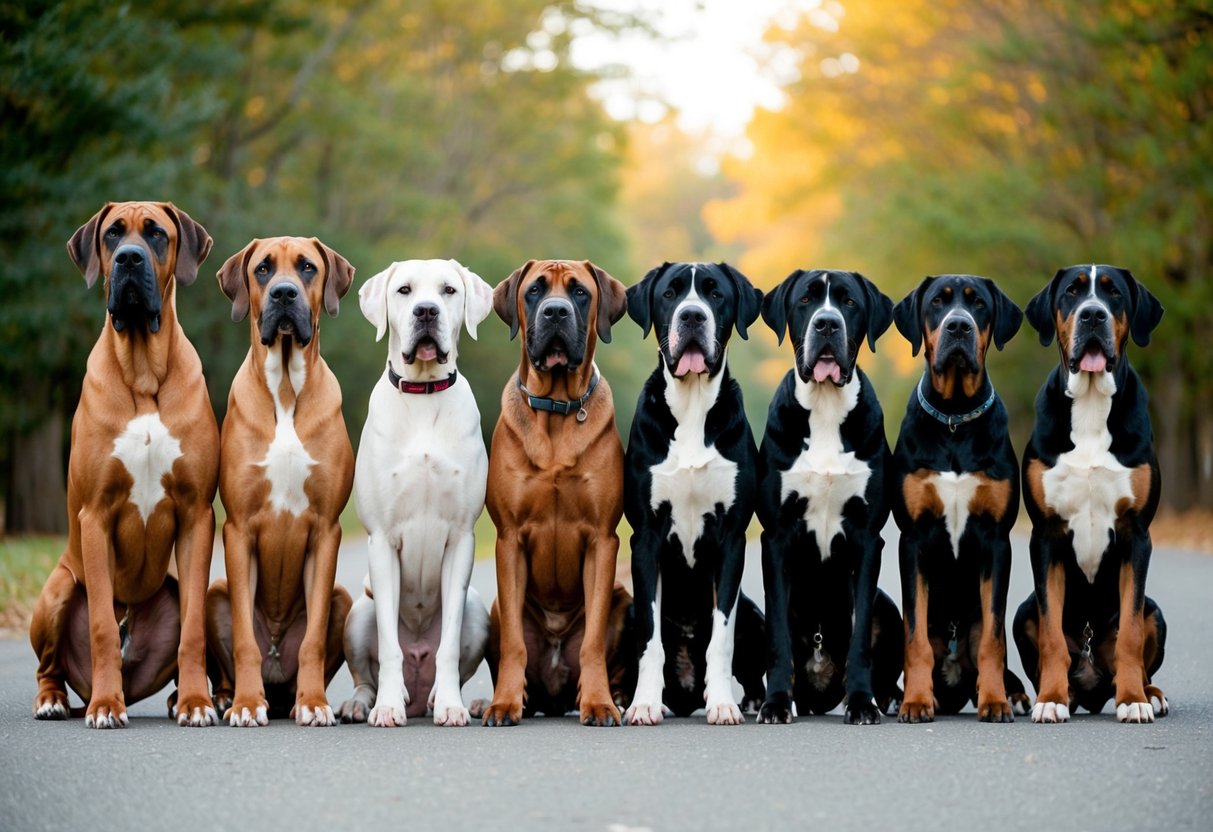
Choosing a large dog breed can be a rewarding experience. These dogs can offer companionship, protection, and love. However, it’s important to consider various factors such as family dynamics, training needs, and living space.
Suitability as Family Pets
Many large breeds are great family pets. Breeds like the Saint Bernard and Newfoundland are known for their gentle nature, making them excellent companions for children.
When selecting a family dog, consider the breed’s temperament. Some breeds can act as effective watchdogs, providing an extra layer of security to your home. English Mastiffs are known for being loyal, while Great Danes can be playful and loving.
A good fit depends on your family’s lifestyle. Ensure that the breed you choose matches your activity level and living arrangements.
Training and Socialization
Training is essential for any dog, particularly large breeds. These dogs need consistent training from an early age. This helps ensure they grow into well-mannered adults.
Socialization is also crucial. Exposing your large dog to different people, other pets, and various environments can help reduce anxiety.
Consider enrolling in obedience classes. This not only assists with training but also strengthens the bond between you and your dog.
A well-trained dog can be a calm family member and a reliable watchdog. It’s important to start early and make training a positive experience with lots of rewards.
Space and Accommodation Needs
Large breeds require more space than smaller dogs. Consider whether you have enough room in your home and yard for a large dog to play and rest comfortably.
A fenced yard is ideal for large breeds that enjoy outdoor play. Some dogs, like the Irish Wolfhound, need room to stretch their legs.
If you live in an apartment, you may need to think about nearby parks or open spaces for exercise.
Keep in mind that larger dogs also come with larger needs. Food, grooming, and veterinary care can be more expensive compared to smaller breeds. Planning and budgeting accordingly will help you provide the best care for your new companion.


