
Many dog lovers often wonder which pup holds the title of the smartest dog in the world. You might be surprised to learn that the answer points to a remarkable Border Collie named Chaser.
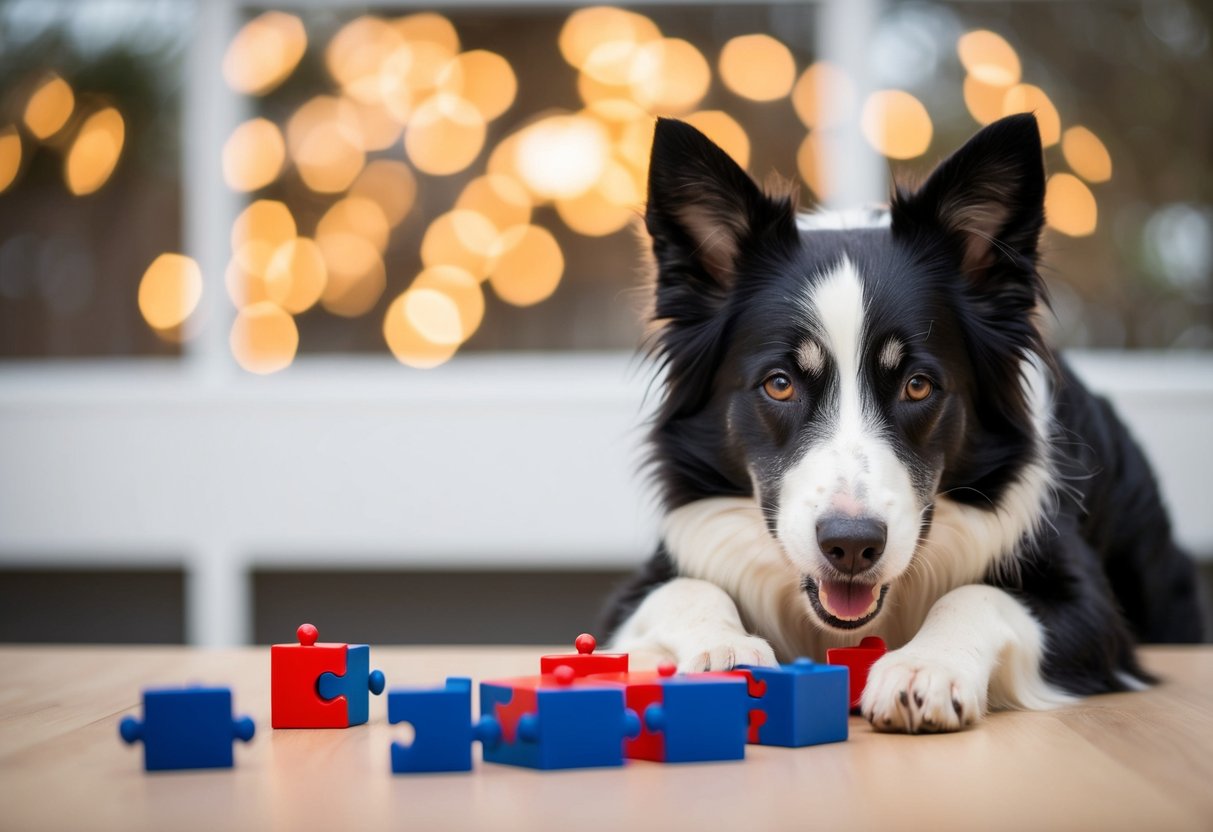
Understanding dog intelligence can be fascinating. Factors like breed, training, and individual personality all play a role in how smart a dog can be.
Border Collies, in particular, are not only adept at herding but are also known for their problem-solving skills and eagerness to learn. By exploring the story of Chaser and her unique talents, you’ll gain insight into what makes certain breeds excel in intelligence.
As you delve into the world of canine smarts, you’ll discover not only Chaser’s achievements but also how different dog breeds rank in intelligence. This journey will reveal just how impressive these furry friends can be when it comes to learning and performing tasks.
Defining Intelligence in Dogs

Understanding dog intelligence can be fascinating. You will discover different types of intelligence in dogs, how to measure it, and the remarkable story of Chaser, the Border Collie known for her impressive skills.
Varieties of Canine Intelligence
Dogs possess various types of intelligence. Three major categories include:
- Instinctive Intelligence: This is what the dog was bred for. For example, herding dogs like Border Collies are smart at guiding sheep.
- Adaptive Intelligence: This measures a dog’s ability to learn from its surroundings. A dog can figure out how to open a door or find food on its own.
- Working and Obedience Intelligence: This assesses how well a dog can learn commands from humans. Breeds like the German Shepherd excel here, often used in police work.
Each type shows that intelligence isn’t just about following commands but also about learning, adapting, and using skills effectively.
Measuring a Dog’s Intelligence
To measure a dog’s intelligence, experts often use tests and observations. A popular method is through a series of tasks that evaluate a dog’s ability to learn and recall commands.
For instance, some common activities include:
- Following commands like “sit” or “stay.”
- Solving puzzles to access treats.
- Recognizing and responding to verbal cues.
The more tasks a dog can perform successfully, the higher its intelligence rating. Many online quizzes help owners assess their dogs’ skills, making this a fun way to learn more about your pet’s abilities.
Chaser the Border Collie’s Legacy
Chaser the Border Collie is famous for her extraordinary intelligence. Known as “the smartest dog in the world,” she could recognize over 1,000 words, demonstrating an amazing understanding of human language.
Chaser’s training involved various exercises that enhanced her memory and vocabulary. Her owner, John Pilley, spent years helping her learn and remember commands.
In addition to impressive language skills, Chaser showed remarkable memory. This allowed her to fetch specific toys by name. Her story inspires dog lovers everywhere to appreciate the potential in every dog, proving that intelligence comes in many forms.
The Brightest Breeds

Many dog breeds stand out for their intelligence and ability to learn. These dogs often excel in obedience and problem-solving skills. Let’s explore some of the smartest breeds in different categories, including herding, working, and companion groups.
Herding Group Marvels
Herding dogs are known for their sharp minds and strong work ethic. The Border Collie is often regarded as the top of this group. Its ability to learn commands quickly makes it an excellent working dog.
Other smart herding breeds include the Shetland Sheepdog and Australian Cattle Dog. They possess quick thinking skills and can often solve problems on their own.
Belgian Tervuren and Miniature Schnauzer are also intelligent, known for their trainability and loyalty. If you want a dog that can perform complex tasks, consider one of these amazing herding breeds.
Working Wonders
Working dogs not only showcase intelligence but also have physical strength. The German Shepherd is a prime example of this breed. They are renowned for their protective instincts and ability to take on various tasks, such as police and search and rescue.
Doberman Pinschers and Rottweilers rank high as intelligent working dogs. Both breeds require consistent training and socialization to thrive. Keeshonds and Schipperkes also belong to this category, known for their alertness and agility.
These dogs are great companions for active families who can provide proper training and exercise.
Sporting and Companion Geniuses
Sporting breeds are not just fun-loving dogs; they are also intelligent and eager to please. The Golden Retriever stands out for its friendliness and trainability. They are great family dogs that excel in obedience training.
Labrador Retrievers are also well-known for their intelligence and versatility. They thrive in various roles, including therapy and service work.
Don’t forget about the Cocker Spaniel and English Springer Spaniel, which are smart and enjoy fetching games. Papillons and Brittanys are smaller breeds that demonstrate remarkable intelligence and agility.
These breeds make excellent companions for active households and those looking for an eager learner.
Training and Enhancing Intelligence

Training your dog effectively can boost their intelligence and problem-solving skills. Through proper techniques and engaging activities, you can unlock their potential and enjoy a stronger bond with your furry friend.
Positive Reinforcement Techniques
Positive reinforcement is the most effective way to teach your dog new skills. This method involves rewarding your dog when they perform a desired behavior. Rewards can be treats, praise, or playtime, which encourage your dog to repeat those behaviors.
Start with simple commands like “sit” or “stay.” Use a high-value treat to catch their attention. Be consistent and patient.
When your dog follows your command, immediately offer the reward. This clear link helps them understand what you expect.
As your dog learns, gradually reduce treats and rely more on verbal praise. This builds their confidence and offers the mental stimulation they crave. Remember, happy training leads to a smarter dog!
Engagement in Dog Sports and Activities
Involving your dog in sports and physical activities can enhance their intelligence. Dog sports, such as agility courses or obedience trials, require both mental and physical skills. These activities can be a fun way to build your dog’s confidence and problem-solving abilities.
Agility courses help dogs develop quick thinking and coordination. They learn to navigate obstacles, which improves focus and decision-making.
Consider joining a local dog club to meet fellow dog owners and participate in events. This not only promotes engagement but also helps you find new ways to challenge your dog’s mind. Keeping your dog active through sports leads to a more intelligent and well-rounded pet.
The Role of a Consistent Dog Owner
As a consistent dog owner, your approach significantly influences your dog’s learning and intelligence. Consistency in commands and training methods helps your dog grasp what is expected. Make sure all family members use the same words and cues to avoid confusion.
Set a regular training schedule to reinforce learning. Short, daily sessions are more effective than longer, infrequent ones. This also promotes bonding between you and your dog.
Stay patient and understanding. Training can be a gradual process, and every dog learns at their own pace. Your encouragement and dedication make a big difference in helping your dog develop their intelligence over time.
Roles and Responsibilities of Intelligent Dogs
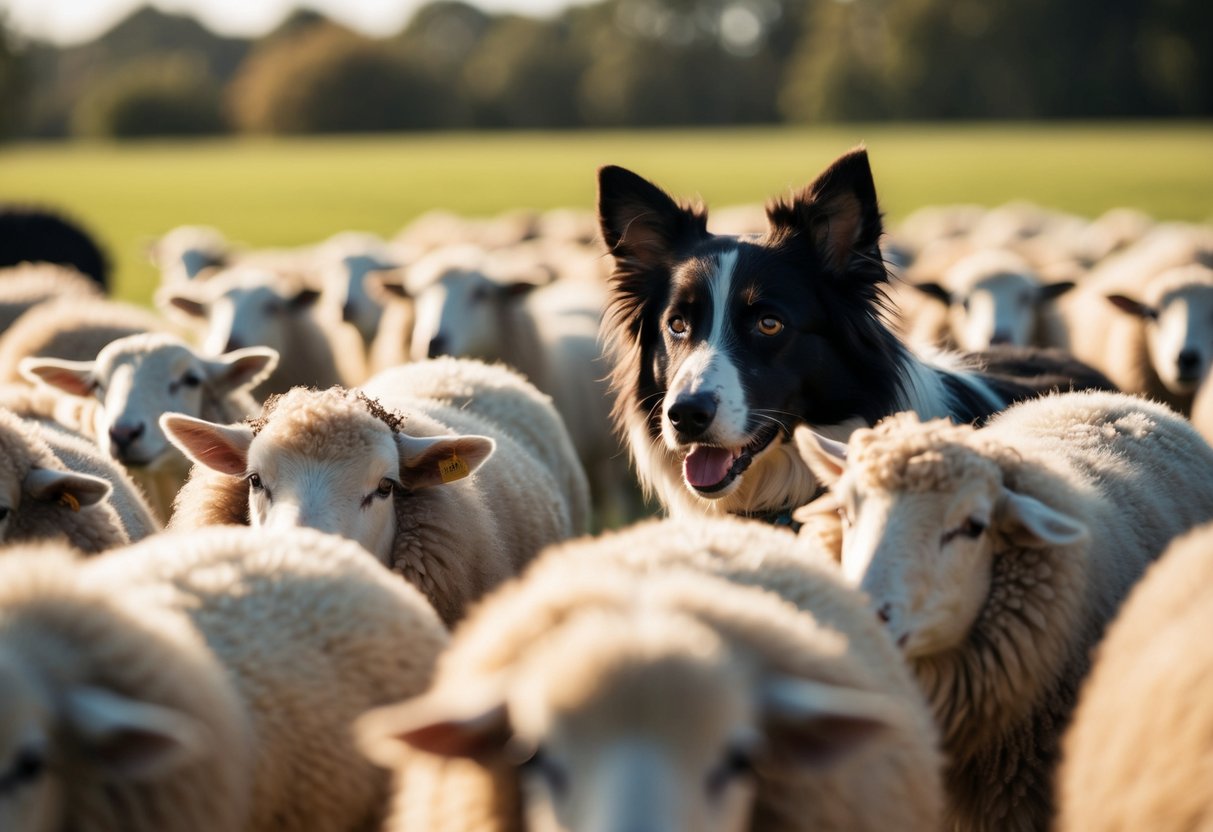
Intelligent dogs play vital roles in many areas of human life. Their abilities allow them to assist people, provide comfort, and maintain safety. Let’s explore two primary roles they take on in our daily lives.
Assistance and Emotional Support
Many intelligent dogs are trained as assistance and emotional support animals. These dogs can help people with disabilities such as mobility issues or visual impairments. Service dogs often follow specific obedience commands, making them reliable partners in daily activities.
Emotional support dogs are crucial for those with mental health challenges. Their presence can reduce anxiety and improve mood, helping you feel more secure. These dogs are trained to be calm and responsive. They offer companionship, which can significantly boost your emotional well-being.
Some breeds, known for their adaptability, excel in these roles. They easily adjust to new environments and respond to your cues. The bond you share can enhance your life quality as they become your loyal companions.
Public Service and Therapy Contributions
Intelligent dogs also contribute to public service and therapy programs. They often serve as therapy dogs in hospitals, schools, and nursing homes. Their friendly nature allows them to interact well with people from various backgrounds.
In these roles, therapy dogs provide comfort and support to those in stressful situations. They help create a calm atmosphere, which can assist in the healing process. Many organizations utilize trained dogs for these purposes, showing their effectiveness in diverse environments.
Service dogs are another key part of this equation. They can be trained to alert people to medical issues like seizures or changes in blood sugar. This working and obedience intelligence is invaluable, keeping you safe and providing peace of mind.


