
When it comes to dog intelligence, one breed consistently stands out above the rest: the Border Collie. In 2024, the Border Collie is recognized as the smartest dog in the world, known for its incredible obedience intelligence and adaptability. This breed is not only quick to learn commands but also excels in tasks that require instinctive and adaptive intelligence, making it a favorite for herding and competitive sports.

Poodles and German Shepherds also rank high in canine intelligence. Poodles are praised for their sharp minds and versatility, while German Shepherds are known for their loyalty and ability to follow complex instructions. Each of these breeds demonstrates different aspects of intelligence, from working and obedience intelligence to their ability to adapt to new situations, proving that smart dogs come in various forms.
As you read on, you’ll discover what sets these breeds apart and why understanding their unique types of intelligence can help you choose the right companion.
Top Contenders for the Smartest Dog Breed

When considering the smartest dog breeds, a few consistently rise to the top. These breeds are known for their intelligence, trainability, and natural abilities. Let’s explore the remarkable traits of the Border Collie, Poodle, and German Shepherd.
Border Collie: A Remarkable Canine Genius
The Border Collie is often hailed as the smartest dog breed. Known for its exceptional problem-solving skills, this breed excels in obedience training. Their energy and eagerness to learn make them ideal working dogs on farms.
You might find a Border Collie herding sheep or competing in agility contests. Dr. Stanley Coren’s intelligence ranking places them at the top. Their ability to understand new commands quickly can impress any dog owner.
Because of their high intelligence, Border Collies need plenty of mental and physical stimulation. They thrive on challenges, so be prepared to engage them with games or training sessions.
Poodle: The Versatile and Quick Learner
Poodles come in three sizes: standard, miniature, and toy, but all share remarkable intelligence. They rank high in obedience and learning speed, making them excellent companions. Poodles are also known for their versatility in various activities.
This breed can excel in dog sports like agility, obedience, and even therapy work. Their friendly temperament and eagerness to please make training enjoyable. Poodles are also hypoallergenic, making them a favorite among families with allergies.
You’ll find Poodles adapting well to different environments, whether in the city or country. Their intelligence and adaptability make them a joyful addition to any home.
German Shepherd: An Epitome of Working Intelligence
The German Shepherd is one of the most popular working dogs in the world. Known for their loyalty and intelligence, they are often used in police and military work. Their ability to learn commands quickly aids in their effectiveness as working dogs.
On Dr. Coren’s intelligence ranking, German Shepherds consistently score high for obedience and working capabilities. They form strong bonds with their owners and thrive in active households.
Training a German Shepherd can be a rewarding experience. Regular exercise and tasks help keep them happy and focused. With their keen instincts, they adapt well to various situations, from search and rescue to family protection.
Understanding Canine Intelligence
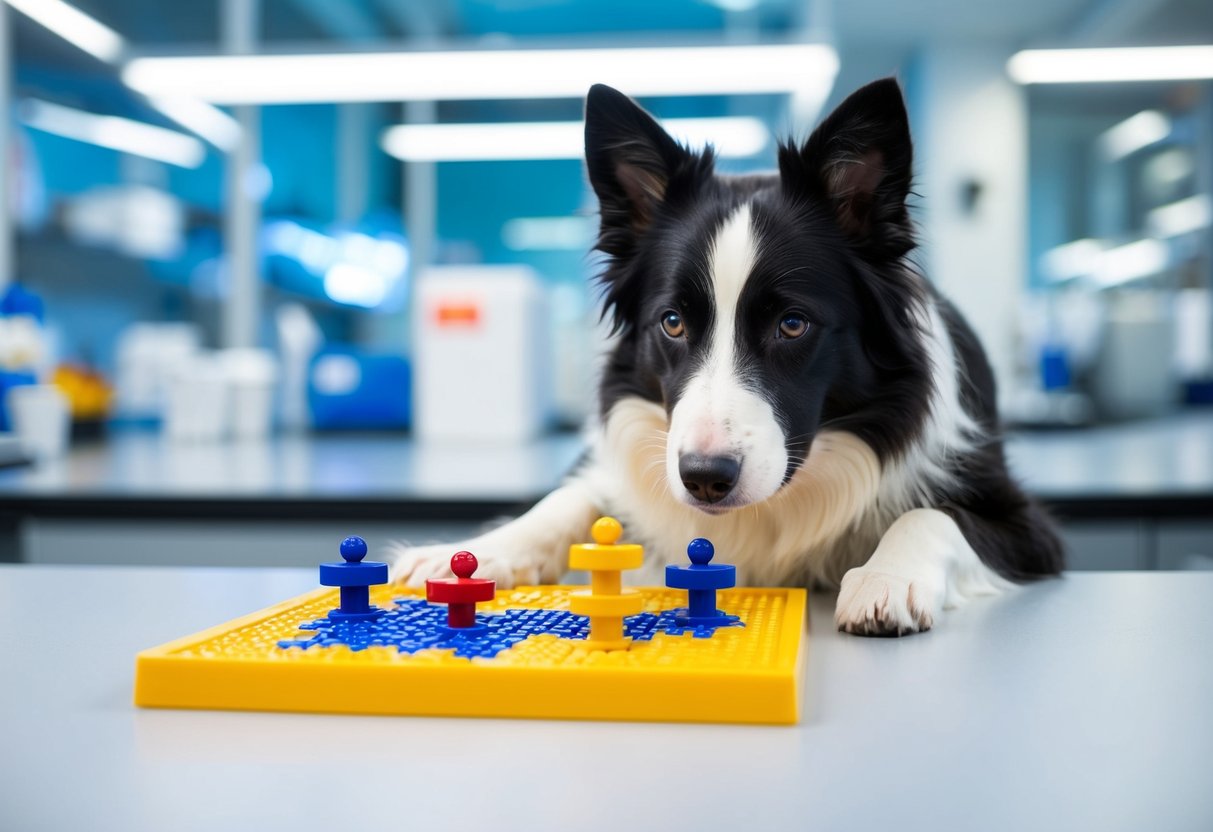
Canine intelligence is a fascinating area that covers various aspects of how dogs learn, adapt, and interact with their environment and humans. Understanding these types of intelligence will help you appreciate your dog’s abilities and needs.
Obedience and Working Intelligence
Obedience intelligence refers to how well a dog learns commands and follows directions. This is often measured by how quickly a dog understands a command after it is given.
Working intelligence includes tasks that dogs perform for humans. For example, service dogs need to learn a variety of skills to assist their handlers. Breeds like Golden Retrievers and German Shepherds excel in this area because they are very trainable.
You might enjoy teaching your dog new tricks, as this not only stimulates their mind but also strengthens your bond. Mental stimulation is essential for keeping your dog happy and healthy, as it helps prevent boredom and behavioral issues.
Instinctive and Adaptive Intelligence
Instinctive intelligence is linked to what a dog was bred for. Herding dogs like Border Collies have natural instincts to herd livestock. This instinct often makes them quick learners in tasks related to their breeding.
Adaptive intelligence measures how well your dog learns from its experiences. For instance, a rescue dog may develop skills based on its previous life situations. This means they can solve problems and adapt to new environments effectively.
Understanding these aspects can help you choose activities that best fit your dog’s abilities and instincts.
Emotional Intelligence in Dogs
Emotional intelligence in dogs refers to their ability to recognize and respond to human emotions. Dogs can sense when you are sad or happy and often react in comforting ways.
This intelligence can enhance the bond you share with your pet. For example, therapy dogs use their emotional intelligence to provide comfort to people in hospitals.
Dogs learn to read body language and tone of voice, helping them understand your feelings. Encouraging this emotional connection can make training more effective and deepens the relationship you have with your furry friend.
Factors Influencing Dog Intelligence

Dog intelligence is shaped by several key factors. Understanding how breed characteristics, training, socialization, and mental stimulation can affect your dog’s smarts will help you nurture their abilities effectively.
Breed Specific Characteristics
Different breeds have unique traits that influence their intelligence. Some dogs, like Border Collies and Poodles, are known for being among the most intelligent dogs. These breeds were developed for tasks requiring problem-solving skills, such as herding or hunting.
In contrast, other breeds may excel in loyalty and companionship, making them great family pets but not necessarily the smartest. Breeds specifically bred for working roles generally have higher instinctive intelligence. Thus, being aware of your dog’s breed characteristics can help you gauge their potential for learning and obedience.
The Role of Training and Socialization
Training and socialization play crucial roles in shaping a dog’s intelligence. Consistent and positive training methods encourage dogs to learn tricks and commands more effectively. Engaging with your dog early on can help boost their adaptive intelligence.
Socialization helps dogs understand and respond to various environments and people. When dogs interact with others, they learn to communicate better. This engagement builds confidence and adaptability. Training doesn’t just improve your dog’s skills; it strengthens the bond between you and your furry friend.
The Impact of Exercise and Mental Stimulation
Regular exercise and mental stimulation are essential for your dog’s cognitive development. Physical activities, such as playing fetch or participating in dog sports, keep your dog fit and active. This physical health is linked to better mental clarity as well.
Moreover, mental challenges like puzzle toys can also enhance problem-solving skills. Providing your dog with varied activities encourages them to think critically. This enriched environment can help unleash their full potential, making your dog not just a pet but a smart companion on your adventures.
Choosing the Right Smart Dog for You
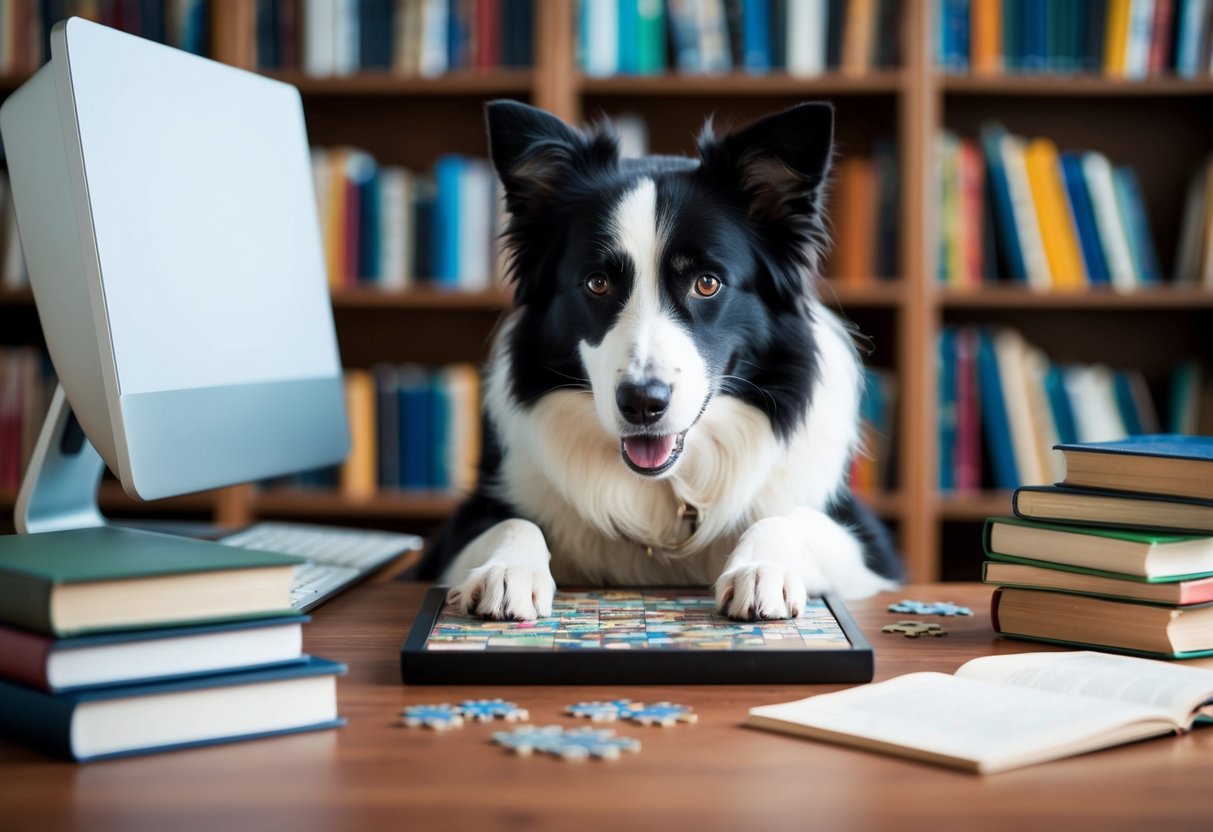
Selecting a smart dog breed can be a rewarding yet challenging journey. It’s important to align the dog’s capabilities with your lifestyle. You want a furry companion that fits well in your home and can engage with your family.
Considerations for Potential Owners
When choosing a smart dog, think about your living situation and daily routine. Breeds like the Labrador Retriever, Golden Retriever, and German Shorthaired Pointer are known for their friendly nature and adaptability. They make excellent family pets.
Consider how much time you can dedicate to training and exercise. Intelligent breeds like the Australian Cattle Dog and Doberman Pinscher thrive on mental and physical challenges. If you prefer a smaller dog, the Papillon or Miniature Schnauzer could be good options.
It’s essential to match your energy level with the breed’s needs. High-energy breeds require more playtime and structured activity. This bond enhances their problem-solving ability and strengthens your relationship.
Balancing Intelligence with Other Traits
While intelligence is crucial, it’s not the only trait to consider. Look into the dog’s temperamental characteristics. Breeds like the Shetland Sheepdog and Collie are smart but also gentle, making them suitable for families with children.
You might also want to consider grooming and care requirements. Dogs such as the Cocker Spaniel can require more maintenance. Meanwhile, breeds like the Rottweiler and Belgian Tervuren can have strong guardian instincts.
Think about the dog’s size and how it fits your space. Smaller dogs may suit apartments better, while larger breeds need room to roam.
Finally, always remember to consider how well the breed interacts with other pets in the household.


