
If you have a Cocker Spaniel, you might wonder how much food your furry friend needs each day. Understanding the right amount is key to keeping your pup healthy and happy.
Adult Cocker Spaniels should eat about 1.5 to 2.5 cups of dry food daily. Meanwhile, puppies and seniors may require different portions based on their age and activity level.

Feeding your Cocker Spaniel the right amount helps prevent obesity and ensures they have the energy to play and enjoy life. A good feeding guide takes into account factors like age, weight, and activity level, which can vary quite a bit.
You’ll find that knowing the correct portion size not only supports your pet’s health but can also lead to a happier relationship between you and your dog. As you read more, you’ll learn tips on adjusting the food based on changes in your Cocker Spaniel’s needs.
Understanding Your Cocker Spaniel’s Dietary Needs
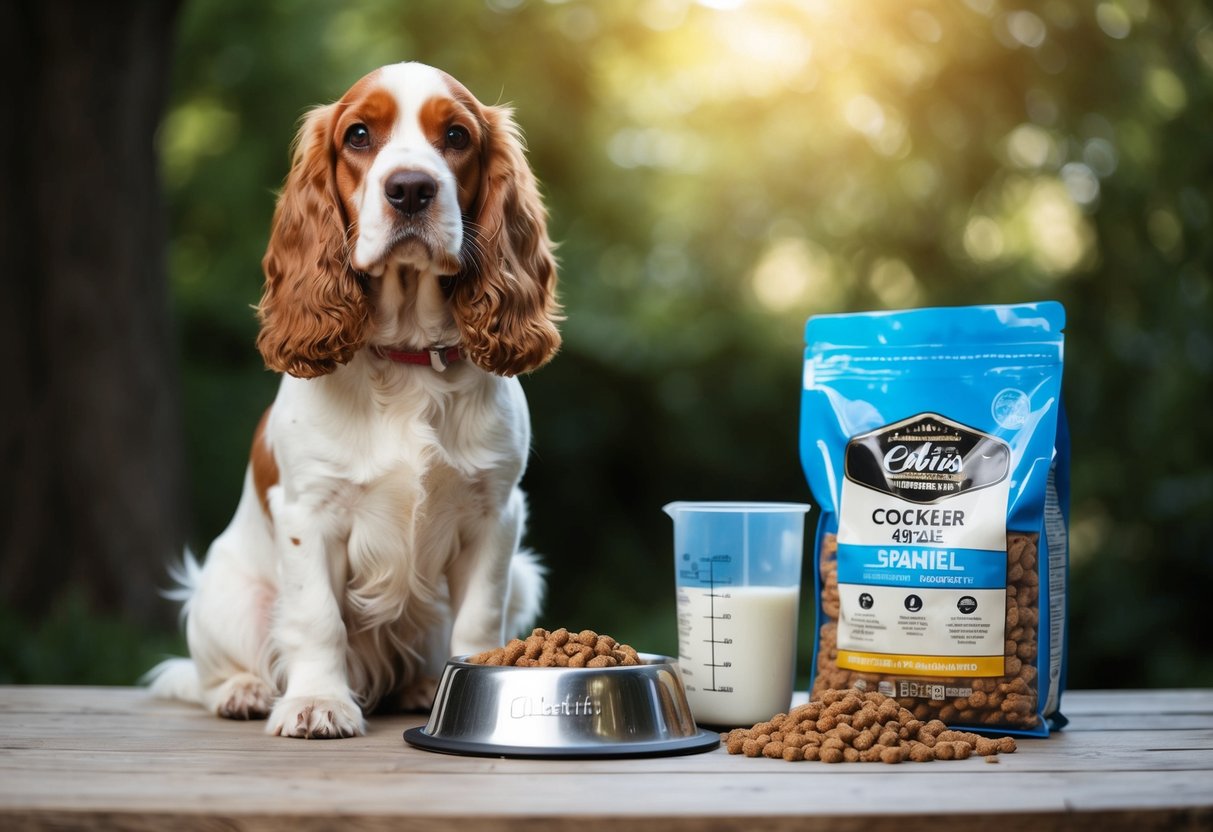
Your Cocker Spaniel‘s diet plays a crucial role in their overall health and happiness. Proper nutrition helps maintain their energy levels and supports their unique needs. Below are important aspects of your pet’s dietary requirements.
Nutritional Needs and Balanced Diet
Cocker Spaniels have specific nutritional needs that should be met with a balanced diet. High-quality dog food is essential. Look for food containing 22.5% protein and about 8.5% fat. This balance supports their growth and activity levels.
You can also include whole grains, vegetables, and healthy fats in their meals. Make sure to read the labels. Avoid foods with fillers or artificial ingredients. Regularly check with your vet to ensure the diet suits your pet’s life stage.
Assessing Activity Levels and Feeding Frequency
Your Cocker Spaniel’s activity level greatly influences how much food they need. An active dog will require more calories than a less active one. It’s important to monitor their energy.
Most adult Cocker Spaniels should have two meals a day. This helps maintain stable energy levels. If your dog gains weight, consider adjusting food portions. Use a standard 8-oz measuring cup to measure the food accurately. Keeping a consistent feeding schedule can also aid digestion.
Special Dietary Considerations for Health Concerns
If your Cocker Spaniel has any health issues, such as obesity or allergies, their diet may need special modifications. For example, senior Cocker Spaniels often require fewer calories and more fiber. This helps keep their weight in check and supports digestion.
Consult with your veterinarian about specific dietary needs. They may recommend specialized food that targets health concerns. Always introduce any dietary changes gradually to avoid upsetting their stomach.
Choosing the Right Food for Your Cocker Spaniel

When selecting food for your Cocker Spaniel, it’s crucial to focus on the type of food, ingredient quality, and how to read labels for portion sizes. The right food can support their health, energy, and overall happiness.
Comparing Wet Food, Dry Food, and Kibble
Cocker Spaniels can thrive on a variety of dog food forms. Wet food often contains higher moisture, which helps with hydration. It can be more palatable, especially for picky eaters.
Dry dog food or kibble tends to be more convenient and can help maintain dental health by reducing plaque buildup. Kibble is often formulated to provide balanced nutrition, including protein content and essential vitamins and minerals.
The best food for your Cocker Spaniel depends on their preferences and needs. Many pet owners find a mix of both wet and dry food works well to keep mealtime interesting and nutritious.
The Importance of High-Quality Ingredients
Choosing high-quality ingredients is essential. Look for food that lists a specific protein source, like chicken or fish, as the first ingredient. Quality proteins are necessary for muscle development and maintenance.
Include sources of omega-6 fatty acids to support a healthy coat and skin. Antioxidants are also critical for overall health and immune support. Avoid foods with fillers, artificial flavors, or by-products, as these can dilute nutritional value.
Check the ingredient list for vitamins and minerals. These are important for your dog’s overall well-being and energy levels, ensuring they get a balanced diet.
Decoding Dog Food Labels and Portion Sizes
Learning to read dog food labels can help you make better choices. Pay attention to the guaranteed analysis section for protein and fat content. A good kibble should have at least 20% protein.
Portion sizes will vary based on age, weight, and activity level. For adult Cocker Spaniels, portion sizes typically range from 1.25 to 2 cups of food per day. Always consult feeding guidelines to avoid overfeeding, which can lead to health issues. Aim for consistent meals and monitor your dog’s weight regularly.
Feeding Your Cocker Spaniel Through Different Life Stages

Feeding your Cocker Spaniel properly is essential at each stage of their life. From puppyhood to their senior years, your dog’s nutritional needs will change. Here’s a detailed guide to ensure your furry friend receives the right food throughout their life.
Puppy Feeding Guidelines and Weaning
When you bring home an 8-week-old Cocker Spaniel puppy, it’s crucial to start them on a proper diet. Puppies need high-quality puppy food rich in protein, calcium, and omega fatty acids. These nutrients support their growth and development.
During the weaning process, start by mixing wet dog food with water to create a soft texture. Gradually introduce dry food as they adjust.
A good puppy feeding chart suggests you feed your Cocker Spaniel puppy 3 to 4 meals per day. As they grow, you can reduce to two meals daily. Keep an eye on their weight and adjust portions as needed.
Adult Cocker Spaniel Feeding Chart and Schedule
Once your Cocker Spaniel reaches about 1 year old, they transition to adult food. Adult Cocker Spaniels typically require about 1.5 to 2 cups of high-quality dry food daily. This may vary based on their activity level and weight.
It’s important to maintain a consistent feeding schedule. Consider feeding your dog twice a day, which helps regulate their digestion.
Look for foods specifically formulated for adult dogs to ensure they get a balanced diet. Check the Cocker Spaniel feeding chart for guidance on how many calories they need based on their weight.
Managing Senior Cocker Spaniel Dietary Needs
As your Cocker Spaniel ages, their nutritional requirements can change significantly. Senior Cocker Spaniels may need fewer calories due to reduced activity levels. Their diet should still include essential nutrients like fiber and antioxidants.
Switch to senior-specific dog food that addresses joint health and promotes a healthy coat. You might want to choose a formula lower in fat but higher in essential vitamins.
It’s also important to maintain hydration. Ensure your senior Cocker Spaniel has access to fresh water at all times. Regular vet check-ups can help adjust their diet based on any specific health needs.
Weight Management and Treats

Maintaining a healthy weight for your Cocker Spaniel is essential for their overall well-being. It helps prevent obesity-related issues such as ear infections and other health problems. Keeping a close eye on portion sizes and choosing the right treats can make a big difference.
Understanding Portion Control and Obesity Prevention
Portion control is key to managing your Cocker Spaniel’s weight. Start by calculating their resting energy requirement (RER) based on their weight. A basic formula for RER is:
- RER (kcal/day) = 30 x (weight in kg) + 70.
Using this number, you can tailor their daily food intake, ensuring they get the necessary nutrients without overeating.
Monitor your dog’s weight regularly. If you notice your Cocker Spaniel becoming overweight, adjust their food portions gradually. Remember, a small decrease in daily calories can lead to significant weight loss over time.
Selecting Healthy Treats and Avoiding Overfeeding
When you give treats, choose healthy options like carrots, green beans, or low-calorie dog treats. Look for treats with wholesome ingredients and fewer calories to help prevent weight gain.
Avoid feeding your Cocker Spaniel table scraps, as they often contain too many fats and sugars. Stick to a strict treat routine and limit them to no more than 10% of their daily caloric intake.
This mindful approach will keep your Cocker Spaniel happy and healthy, while also supporting their weight management journey.


