
If you’re dealing with bees around your home or yard and want them gone fast, you’re definitely not alone. Bees help the environment, sure, but when they build a hive too close for comfort, you’ve got to clear them out safely.
Honestly, the quickest way to get rid of bees is just to call a professional pest-control service. They’ll handle the situation safely and get it done right.

You could also try some natural methods that gently encourage bees to leave, like planting things they don’t like or using safe repellents such as citronella or vinegar. But if you want a fast, stress-free solution, experts have the tools and know-how to remove hives and keep everyone safe.
If you want more info on both quick and gentle ways to handle bees, keep reading. There are some practical tips and real-world advice below.
Effective Methods to Quickly Get Rid of Bees

You really need to act fast and carefully when bees show up. Some methods focus on safe removal, while others use natural repellents or professional help.
Knowing what kind of bees you’re dealing with and choosing the right response makes a big difference.
Identifying the Type of Bee Infestation
Start by figuring out what type of bees you’ve got. Honey bees are usually less aggressive and super important for the environment, so most people don’t want to harm them.
Carpenter bees bore into wood and can wreck your home, so you’ll want to act quickly.
Look at their size, color, and where they hang out. Honey bees tend to build hives in protected spots, but carpenter bees make those telltale round holes in wood.
Once you know what you’re dealing with, you can pick the safest and most efficient way to get rid of them.
Calling a Local Beekeeper for Safe Removal
Local beekeepers are honestly the best folks to call if you’ve got honey bees. They can remove the whole hive and relocate it safely.
That’s a win for you and for the bees, since they’re crucial for pollination.
Reach out to a local beekeeper if you spot a hive near your place. They bring the right gear and experience to protect you from stings while moving the bees.
This method keeps things eco-friendly and avoids killing bees.
Using Professional Pest Control Services
If you’re up against a big or risky infestation, pest control experts are the way to go. They deal with all kinds of bees, including aggressive types or carpenter bees that damage wood.
Pros use special sprays or dusts to get rid of bees fast.
Pick a company that knows Integrated Pest Management (IPM) to limit harm to helpful insects. Pest control will clear out the hive and help prevent more bees from moving in.
Just know that chemical treatments mean you should keep kids and pets away until it’s safe.
Natural Repellents and Quick DIY Solutions
If you’d rather skip chemicals, there are some safe natural options to move bees along. Citronella candles and sprays can keep bees away from patios and doorways.
Some people swear by garlic sprays or sprinkling cinnamon around ground nests.
A simple vinegar and water mix might also send ground bees packing. These tricks won’t kill bees but will nudge them away from certain spots.
Natural repellents work well if you want to protect honey bees and the environment while staying safe.
You can find more about quick and safe removal from a local beekeeper or professional pest control services.
Understanding Bee and Wasp Behavior for Prevention
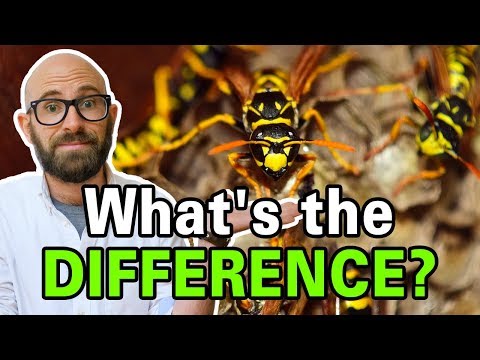
Knowing how bees, wasps, and yellow jackets act helps you stop them from nesting near your home. You’ll also get why they show up and what you can do to keep them away.
Differences Between Bees, Wasps, and Yellow Jackets
Bees, wasps, and yellow jackets might look similar, but they act pretty differently. Bees are mostly pollinators.
They collect nectar and pollen from flowers and usually don’t bother anyone unless they feel threatened. Wasps and yellow jackets? They’re predators and scavengers.
Yellow jackets are actually a type of wasp and love to crash your picnic.
Bees: Fuzzy bodies, gather pollen, live in hives.
Wasps: Smooth bodies, hunt insects, build paper-like nests.
Yellow Jackets: Bright yellow with black stripes, aggressive, hang out near food.
Knowing these differences helps you handle each insect the right way. Here’s more on understanding wasp vs. bee behavior.
Why Bees Are Attracted to Your Property
Bees mostly visit your yard for food. They’re after flowers for nectar and pollen.
You might also attract them with fruit trees, open garbage, or sweet drinks left outside. Wasps and yellow jackets go for protein too, like meats and sugary snacks.
They usually build nests where there’s shelter from weather and predators. Clutter, wood piles, or hollow spaces near your house make perfect spots.
If you keep your outdoor eating areas clean, you’ll cut down on their interest.
Learning what attracts bees and wasps lets you make your place less appealing to them. For more about their habits and what draws them, check out these tips on why bees and wasps invade.
How to Prevent Future Infestations
Stopping infestations really starts with making your place less inviting to bees and wasps.
Try these steps:
- Take down old nests as soon as you spot them, before anything new shows up.
- Keep your yard neat. Trash and food scraps? Get rid of them quickly.
- Seal up cracks in your walls, eaves, and around windows.
- Maybe skip planting big clusters of flowers right by your doors or patio.
- Go for natural deterrents that turn wasps away but don’t hurt the good pollinators.
If you check for early nests regularly, you’ll catch problems before they get out of hand.
For more ways to keep bees and wasps from moving in, check out these bee and wasp control tips.


