
So, you’ve got bees buzzing around and you want them gone—fast. The quickest way? Grab a bee spray that targets their nervous system. This stuff paralyzes bees and stops them in their tracks.
Just remember, these sprays pack some serious chemicals. Always keep pets and kids out of the way when you use them.
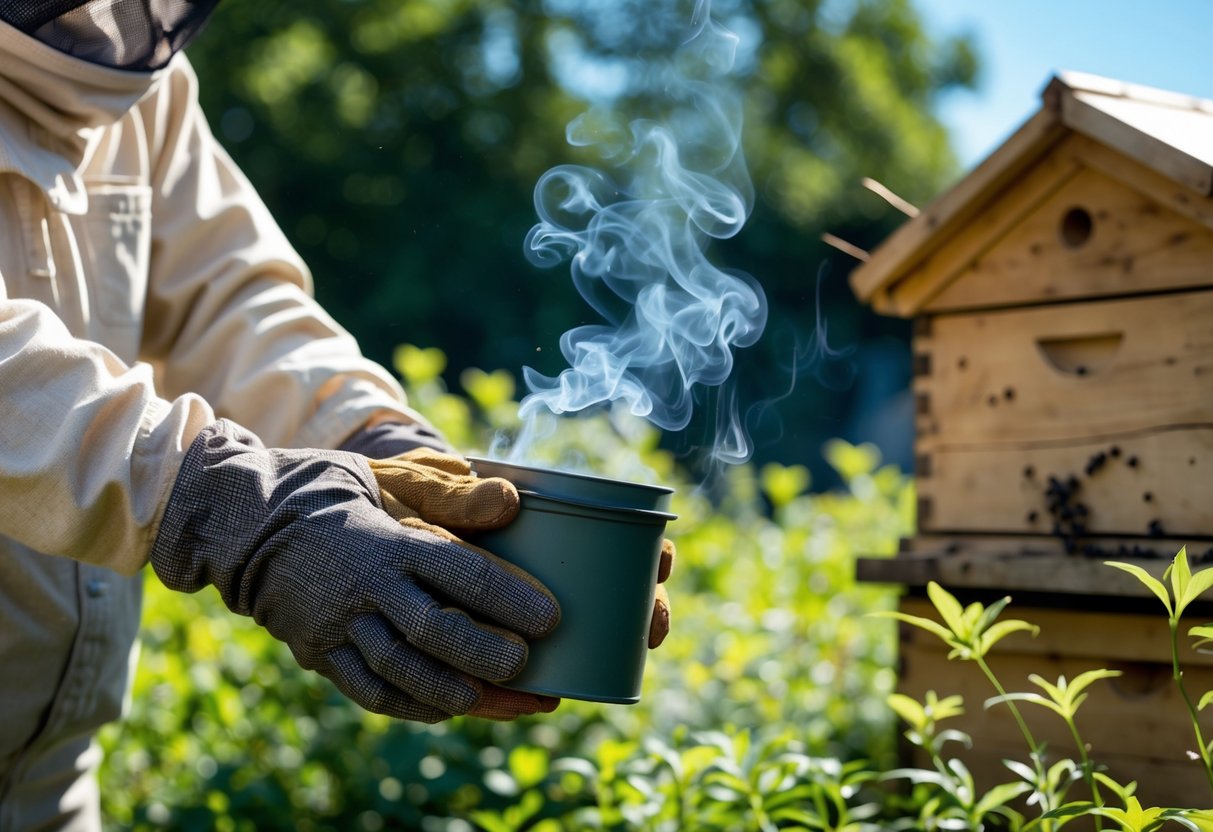
But maybe you don’t want to hurt the bees at all. If that’s the case, try mixing vinegar and water or plant some bee-repelling greenery around your place. These tricks nudge bees to move on, and honestly, it’s a lot kinder to the environment.
If you don’t feel comfortable dealing with bees, just call a professional pest-control service. They’ll handle the hive and keep everyone—bees included—safe. For more quick tips, check out resources on how to get rid of bees fast.
Quickest Effective Methods to Get Rid of Bees

Getting rid of bees quickly isn’t just about speed—it’s about using the right approach. You want something that works, but you also want to stay safe and not mess with nature too much.
Some folks call in the pros, some go for natural fixes, and others mix a few methods.
Calling a Local Beekeeper
If bees set up shop near your house, reach out to a local beekeeper. They’ve got the gear and know-how to move honey bees without hurting them.
Usually, beekeepers relocate the bees somewhere safe, so you’re not just getting rid of them—you’re helping the bees, too.
This works especially well if you spot a hive nearby. Beekeepers can check out the situation and figure out the best way to move things along.
If you care about honey bees (and who doesn’t?), calling an expert is the way to go. It keeps you out of harm’s way and protects your property.
Using Natural Bee Repellents
Natural repellents let you skip the chemicals. Citronella candles or sprays made from garlic and essential oils can drive bees away.
These scents annoy bees, so they’ll usually leave pretty quickly. Place citronella candles where bees gather or spray a garlic-water mix near your doors and gardens.
Natural repellents work best for keeping bees from building new hives. They don’t kill bees, just encourage them to find a new spot.
Honestly, it’s a gentle nudge that’s better for everyone.
IPM and Safe Pest Control
Integrated Pest Management (IPM) takes a smarter approach. You combine safe methods instead of just spraying chemicals everywhere.
Start by sealing up holes and cracks where bees sneak in. Take away food sources and set out gentle traps if you need to.
If you have to, use low-toxicity sprays made for bees and wasps, but follow the directions to the letter. Don’t take chances with pets or people.
IPM helps you tackle the problem with less damage to the environment. It’s pretty effective, too.
Different Approaches for Bees and Wasps
Bees and wasps aren’t the same, so you shouldn’t treat them the same way. Honey bees usually hang out in hives and can be moved safely.
Wasps and yellow jackets? They’re a lot more aggressive and sting more often.
For wasps, you might need a vacuum or a foam spray made just for them. These products work fast, but use them carefully.
When it comes to bees, avoid harsh sprays if you can. Focus on moving the hive or using natural repellents.
Figure out if you’re dealing with bees or wasps first. That way, you’ll know which method fits best and keeps you safe.
Identifying and Preventing Future Bee Problems

Before you do anything, figure out what kind of bees you have and how they act. Once you know, you can keep them from coming back next time.
It’s worth remembering—bees play a big role in nature, so the safest solutions are usually best.
Recognizing Bee Species and Their Behavior
Knowing which bee you’re up against makes a big difference. Honey bees live in hives and collect nectar and pollen.
They’re super important for pollination, but they’ll sting if they feel threatened.
Carpenter bees drill into wood, leaving round holes in decks and fences. They’re less about pollination and more about making a mess of your house.
Wasps and yellow jackets look similar but act differently. They’re more aggressive and don’t help with pollination.
Spotting these differences helps you pick the right fix.
Preventative Measures for Homes and Yards
Stopping bees before they move in is way easier than kicking them out later. Seal up cracks and holes in your siding, eaves, and roof to block carpenter bees.
Keep your trash covered and avoid leaving sweet drinks outside—wasps and yellow jackets love sugary stuff.
Use screens or mesh over vents and other openings. Planting things like mint or citronella can also cut down on bee visits.
If you find old nests or wood damage, clean it up and repair it so carpenter bees don’t come back.
Role of Pollinators and Safe Removal Choices
Bees—especially honey bees—play a huge role as pollinators. They move pollen between flowers, which helps your garden thrive and keeps local food growing.
If you need to get rid of bees, try gentle methods first. Don’t reach for insecticides or traps that just kill them.
Honestly, it’s better to call a bee specialist. They can remove hives or relocate the bees safely, without causing harm.
When you protect pollinators, you help keep the environment healthy. At the same time, you’re keeping your home safe from stings and damage.
Need more info? Check out these options for responsible bee removal.


