
Ever spotted a cluster of bees hanging from a tree or crawling around a branch? It’s natural to wonder how long they’ll stick around. Bees don’t just linger anywhere for no reason—their stay depends on things like weather and whether they’ve found a good new home.
A swarm of bees might hang out in one spot for just a few minutes, or sometimes a few days, while they figure out where to go next.
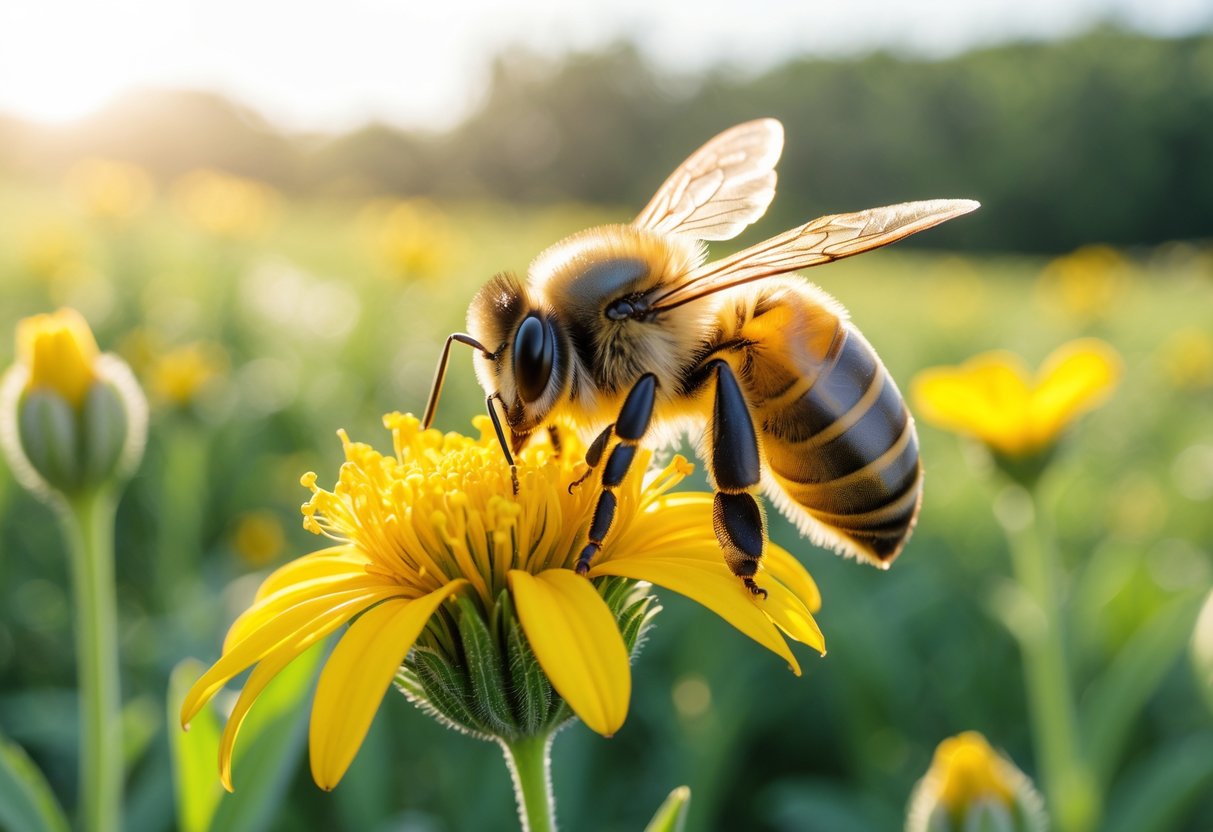
When bees settle in a hive, they usually stay for months or even years, as long as there’s enough food and the hive feels safe. Their loyalty to home is impressive. But if things get crowded or dangerous, some of them will leave and look for a fresh place.
That’s just part of what makes bees so fascinating. If you’re curious about what gets bees to settle down or take off, let’s dig into the different factors that shape their stay. You can dive deeper into how long bees cluster or stick with a hive on sites like beekeepercorner.com.
How Long Do Bees Stay in One Place?

Bees don’t always stay in one spot for the same amount of time. Sometimes you’ll see them gather for just a short while during swarming. Other times, they’ll settle in a hive and stick it out for months or years.
How long they remain depends on things like weather, food, and whether they’ve found a good home.
Temporary Swarms: Duration and Reasons for Moving
When a colony feels crowded, some bees take off in a swarm. This swarm will rest in a temporary spot for a few hours—or maybe a few days—while scout bees hunt for a new hive.
You might see swarms clustering on tree branches, walls, or even fences. The time they stay depends on how quickly scouts find a good place.
If the search drags on or the weather’s rough, bees might hang around longer. They’re pretty vulnerable at this stage, so they cluster tight around their queen.
Sometimes you’ll spot these swarms just hanging out before they move on. For a closer look at swarms, check out this page about bee swarms.
Permanent Colonies: Lifespan in One Hive
A bee colony can live in the same hive for months, sometimes even years, if things go well. Bees need enough honey, a clean space, and protection from disease or predators to stick around.
The queen lays eggs regularly, which keeps the colony going strong. Worker bees only live about four to six weeks, but new bees keep hatching, so the hive stays active.
If food runs out, disease hits, or something destroys the hive, the colony might die or move. Otherwise, bees can stay put in one spot for a long time. Want more info? Here’s a link on how long bees stay in one hive.
Role of Scout Bees and Hive Location Selection
Scout bees really drive the decision of how long the swarm hangs around. After a swarm forms, scouts fly out to look for a new home.
They check spots for safety, space, and food. Once they’ve found a few good options, they come back and “vote” by waggling their bodies.
The swarm follows the scouts to the chosen spot. Sometimes this process is quick, but other times it drags on for days.
A solid hive location can make or break the colony. If the spot isn’t great, bees might have to move again soon.
Curious about how scouts work? Here’s a guide on bee swarming.
Key Factors Influencing Bees’ Residency
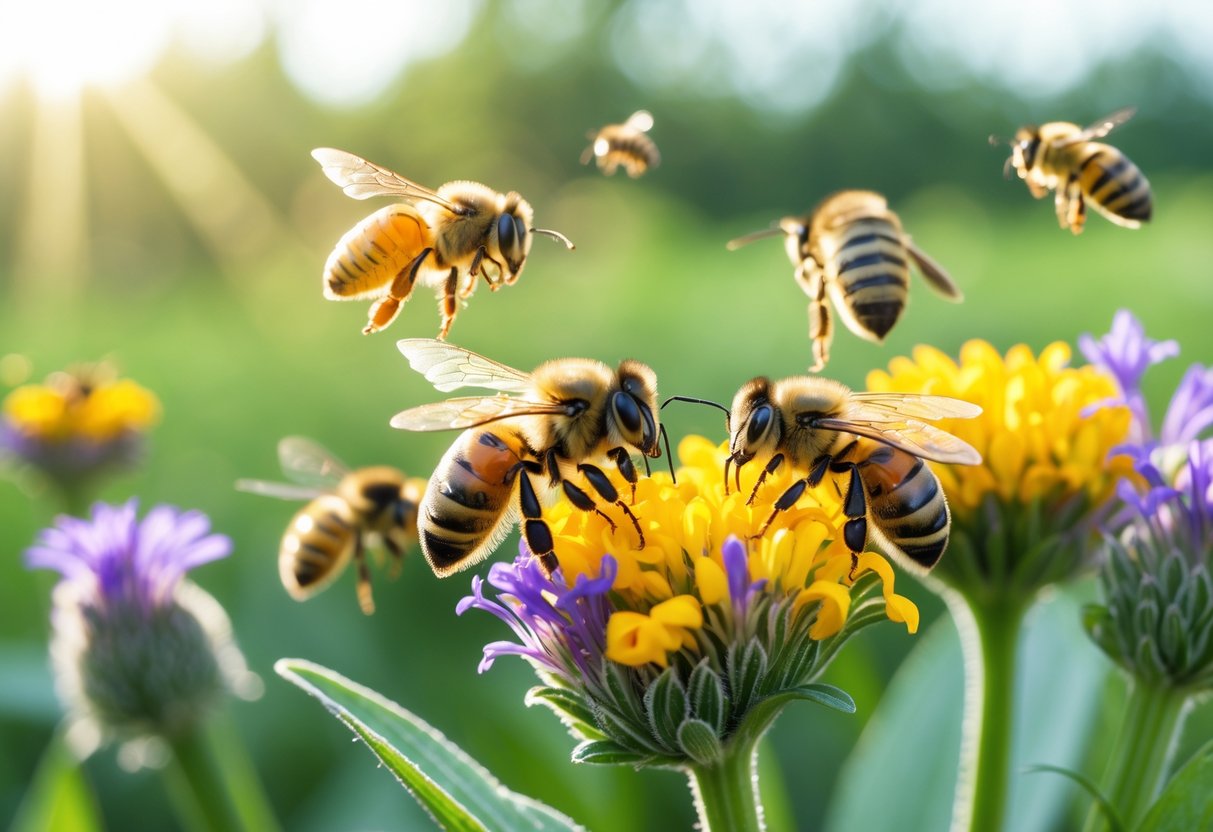
A few big things affect how long bees stay in one place. The weather, food nearby, and the colony’s own habits all play a role.
Weather Conditions and Environmental Effects
Weather can really change how long bees stick around. Warm, dry days let bees get out and find food easily.
But if it’s cold, rainy, or windy, bees stay inside to protect the colony. Humidity and temperature also matter because bees need to keep the hive warm.
If the weather’s good, bees might stay in the same hive for years. Bad weather can force them to pause in one spot or move if they need to.
For more on how weather affects bees, you can check out beekeepercorner.com.
Food Availability and Pollination Impact
Bees settle where food is easy to find. When flowers bloom nearby, worker bees collect nectar and pollen without much trouble.
That keeps the hive healthy and the colony stable. If food dries up or is too far away, bees may need to swarm and search for a better spot.
Pollination is a big deal, too. The more plants bees can pollinate, the more their own food supply grows.
If you’re keeping an eye on bees, watch for signs of food running low. It’s a good clue that the bees might leave soon.
Bee Population Dynamics and Swarming Behavior
When a bee colony gets too crowded, some bees decide it’s time to leave and start a new hive. They call this swarming.
Scout bees head out, searching for possible new homes. Meanwhile, the rest of the swarm just hangs out nearby, waiting.
Swarms usually stick around in a temporary spot for only a few hours—or maybe a couple days, tops. They won’t settle down for good until scouts come back with news of a safe, decent hive location.
During this wait, worker bees do their best to keep the swarm warm and protected. It’s a pretty impressive team effort.
Colony health, what the queen’s up to, and how much space they’ve got all play into whether bees swarm. Beekeepers can help manage hive space to cut down on unwanted swarming and keep bees where they’d like them.
If you’re curious and want to dig deeper, check out more on swarming and bee movement at bernardspest.com.


