
When it comes to dogs, many people wonder which breed might be the most vicious. The Pit Bull is often considered the most dangerous dog breed due to its strong bite and history of aggressive behavior. Any dog, regardless of breed, can display aggressive tendencies, especially if not properly trained or socialized.

As a responsible dog owner, understanding the traits of various breeds can help you make informed decisions. All dogs require guidance, training, and love to thrive.
By prioritizing responsible ownership, you can prevent behaviors that may lead to aggression and create a safe environment for you and your furry friend.
Staying educated about dangerous and aggressive dog breeds will not only deepen your understanding but also enhance your relationship with your pet. Knowing how to handle potential aggressive behaviors can make all the difference in ensuring a well-adjusted companion.
Understanding Dog Aggression

When it comes to dog aggression, it’s important to recognize that various factors contribute to a dog’s behavior. Knowing the causes, how bite force relates to aggression, and the significance of training and socialization can help you understand this complex topic better.
Causes of Aggressive Behavior
Understanding why a dog becomes aggressive is key. Many times, aggression stems from fear or anxiety. If a dog feels threatened, it may bite as a defense mechanism.
Territorial instincts also play a big role. Dogs may become aggressive to protect their space or family. Lack of socialization can increase these tendencies, making the dog less comfortable around new people or animals.
Sometimes, genetics can influence aggression. Certain breeds, like the Pit Bull, are often labeled as more aggressive, but it’s not just their breed; it’s also how they are raised and treated.
Lastly, pain can trigger aggressive behavior. If a dog is hurt or uncomfortable, it may act out unexpectedly.
Bite Force and Dog Attacks
The concept of bite force is another important aspect. Bite force measures the pressure a dog can exert with its jaws. It’s often calculated in pounds per square inch (PSI).
Some breeds have a stronger bite force than others. For instance, the Rottweiler can exert around 328 PSI, while a German Shepherd has a bite force of about 238 PSI.
Knowing a dog’s bite force can help you understand the potential danger in aggressive situations.
Statistically, certain breeds account for a significant number of dog attacks. According to reports, Pit Bull Terriers are linked to a high percentage of fatal dog-related incidents.
The Role of Training and Socialization
Proper training and socialization are crucial in preventing aggressive behavior. Early exposure to various people, animals, and environments helps a dog become well-adjusted.
Training should be consistent and positive. Focus on teaching basic commands and rewarding good behavior. This not only builds a bond with your dog but also instills discipline.
Obedience classes can be very beneficial as they teach both you and your dog how to interact properly. A well-trained dog is less likely to react aggressively in unfamiliar situations.
Always remember, the way you approach training can significantly impact your dog’s temperament. Encourage good behavior with praise and treats to foster a positive relationship.
Breed-Specific Aggression Profiles
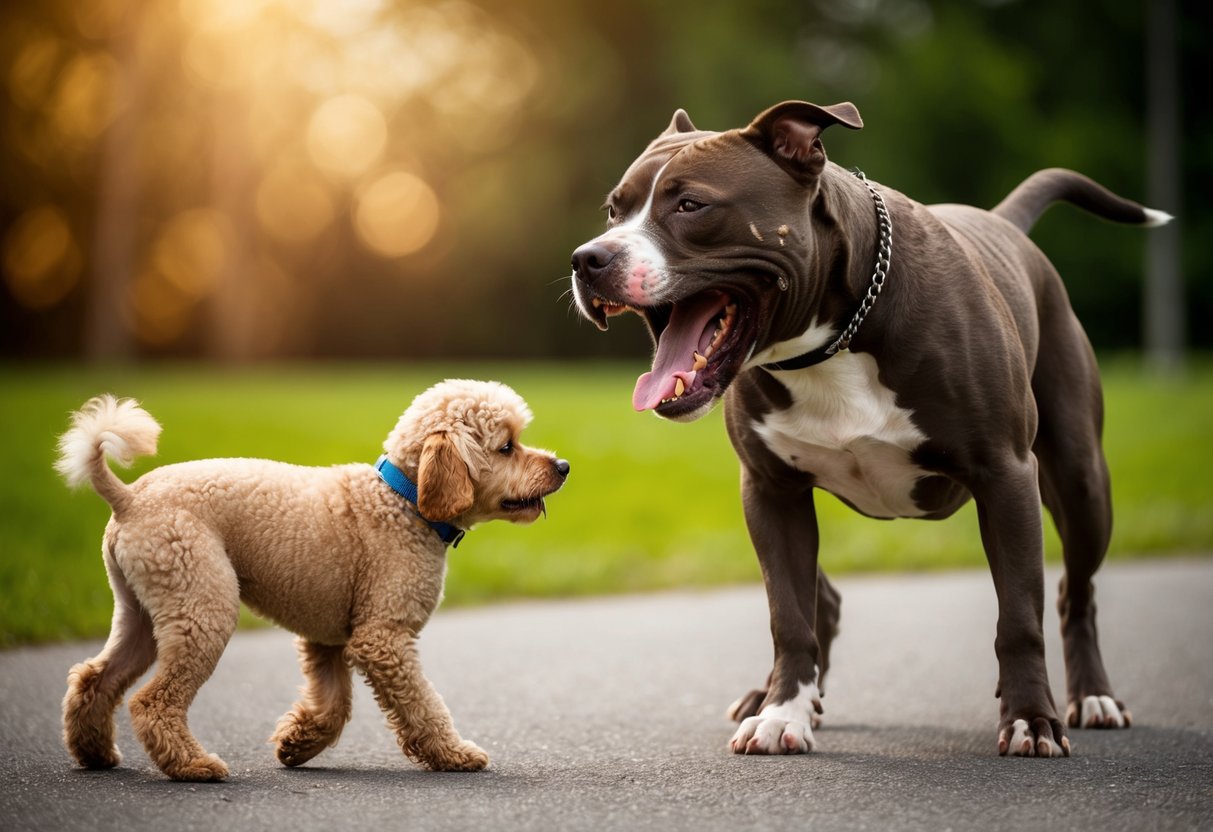
Understanding specific dog breeds helps you recognize their natural behaviors and instincts. Some breeds are known for their protective natures, while others may show loyalty or a strong prey drive. This knowledge can guide you in choosing the right companion for your lifestyle.
Rottweilers and Protective Instincts
Rottweilers are known for their strong protective instincts. They naturally feel the need to guard their families and homes. This trait can lead to aggressive behavior if not properly trained.
Rottweilers require consistent, firm leadership and socialization from a young age. Early exposure to various environments helps them become well-rounded pets. Without proper guidance, their protective nature can escalate into aggression.
When raised with love and discipline, Rottweilers can be loyal and gentle companions. They thrive when they have a job to do, like participating in obedience training or protection tasks.
German Shepherds: Loyalty and Prey Drive
German Shepherds are famous for their loyalty and intelligence. They excel in many roles, including police work and search-and-rescue missions. However, their high prey drive can make them react strongly to small animals.
Training and socialization are key for German Shepherds. Without these, they may display aggressive behaviors towards strangers or other animals. Teaching them commands early will help address this.
These dogs benefit from physical and mental stimulation. A tired German Shepherd is often a well-behaved one. Regular exercise and engaging activities reduce the chances of destructive or aggressive behavior.
Pit Bull Terrier Controversy
The reputation of Pit Bull Terriers often leads to misunderstanding. Some believe they are naturally aggressive, while others see them as loving and loyal. Their behavior largely depends on training, socialization, and environment.
Pit Bulls thrive in homes where they receive consistent training and positive reinforcement. If not properly socialized, they can develop fear-based aggression.
It’s essential to provide Pit Bulls with ample opportunities for interaction with people and other animals. With proper care, they can be excellent companions who display affection and loyalty.
Chow Chows and Independent Characters
Chow Chows have a unique personality that can sometimes be misunderstood. They are known for their independent nature, which can make them seem aloof. While they can bond closely with their families, they may be less social with strangers.
Chow Chows require gentle, firm training. Early socialization is crucial to prevent fear-induced aggression. They may show aggression if they feel threatened or unsure.
These dogs can be wonderfully loyal companions but need consistent guidance. With the right training and environment, a Chow Chow can be a loving addition to your home.
Statistics and Public Safety
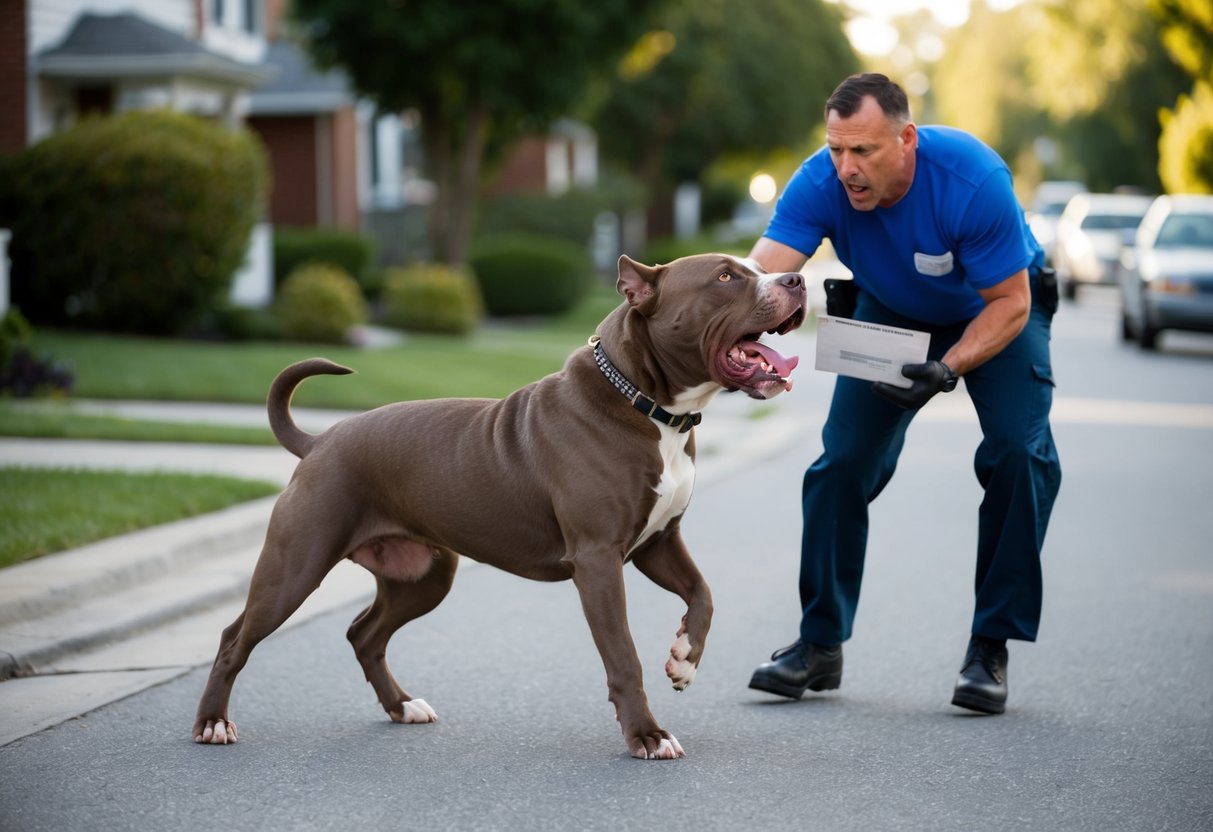
Statistics about dog attacks can help you understand the risks and improve safety around dogs. Being aware of aggressive breeds and implementing safety measures can protect you and your loved ones from potential harm.
Fatal Dog Attack Data
In the United States, there are about 43 fatal dog attacks each year. The majority involve larger breeds, often perceived as aggressive. Studies show that pit bulls are often identified as being involved in a significant percentage of these cases. According to data, they accounted for 28% of all deaths due to dog bites from 1979 to 1998. Many mixed breeds also contribute to these statistics, with a range of dog types involved.
Knowing these statistics can help you stay vigilant and aware of the breeds that have been implicated in fatal attacks. Keeping an eye on surroundings where these dogs are present is a wise safety measure.
Evaluating Aggressive Breeds in Dog Bites
Certain breeds are more often reported for aggressive behavior and bites. Breeds like Doberman Pinschers, Rottweilers, and German Shepherds frequently appear in bite statistics. It’s important to understand that breed alone does not determine behavior; factors like environment, training, and socialization play a huge role.
Most bites reported come from small breeds. These may cause less serious injuries but can still pose risks. It’s vital to not overlook any dog, regardless of its size. Understanding which breeds might be more prone to aggression helps you approach situations with care.
Implementing Safety Measures
Statistics about dog attacks can help you understand the risks and improve safety around dogs. Being aware of aggressive breeds and implementing safety measures can protect you and your loved ones from potential harm.
Fatal Dog Attack Data
In the United States, there are about 43 fatal dog attacks each year. The majority involve larger breeds, often perceived as aggressive. Studies show that pit bulls are often identified as being involved in a significant percentage of these cases. According to data, they accounted for 28% of all deaths due to dog bites from 1979 to 1998. Many mixed breeds also contribute to these statistics, with a range of dog types involved.
Knowing these statistics can help you stay vigilant and aware of the breeds that have been implicated in fatal attacks. Keeping an eye on surroundings where these dogs are present is a wise safety measure.
Evaluating Aggressive Breeds in Dog Bites
Certain breeds are more often reported for aggressive behavior and bites. Breeds like Doberman Pinschers, Rottweilers, and German Shepherds frequently appear in bite statistics. It’s important to understand that breed alone does not determine behavior; factors like environment, training, and socialization play a huge role.
Most bites reported come from small breeds. These may cause less serious injuries but can still pose risks. It’s vital to not overlook any dog, regardless of its size. Understanding which breeds might be more prone to aggression helps you approach situations with care.
Implementing Safety Measures
To keep yourself and others safe, knowing how to interact with dogs is key. Here are some tips:
- Educate yourself about dog behavior and warning signs.
- Supervise children around dogs, especially unfamiliar ones.
- Avoid approaching dogs that are tied up or in a yard without permission.
Training your dog can also prevent aggressive behaviors. Socializing your pet from a young age can lead to happier interactions with people and other animals. Remember, being informed and proactive is the best way to ensure safety around dogs.
Responsible Dog Ownership and Legislation
Being a responsible dog owner is essential for ensuring safety and harmony in your community. Understanding the laws surrounding dog ownership can help you navigate responsibilities and prevent dangerous situations.
Promoting Responsible Ownership
As a dog owner, you play a crucial role in promoting responsible pet ownership. This starts with choosing a breed suitable for your lifestyle. Some breeds, like pit bulls and Rottweilers, may require more training and socialization.
Key Responsibilities:
- Training and Socialization: Invest time in training your dog to prevent aggressive behavior.
- Supervision: Always keep an eye on your dog, especially around other animals and children.
- Health Maintenance: Regular vet check-ups and vaccinations help maintain your dog’s health and can prevent behavioral issues.
Active participation in training classes or local dog clubs can support these efforts too. A well-trained dog is less likely to exhibit dangerous behaviors.
Legal Aspects of Dog Ownership
Understanding the legal side of dog ownership helps in being a responsible owner. Many states have laws regulating dangerous breeds. You might need to register your dog or have specific insurance.
Common Legal Requirements:
- Registration: Some areas require you to register your dog as “dangerous” if it has certain traits.
- Insurance: You may need liability insurance, often starting at $50,000 coverage.
- Penalty for Violations: Failing to comply with local regulations can lead to fines or even confiscation of your pet.
Checking local ordinances ensures you stay updated on any laws affecting your breed.
Preventing Dog Fights
Dog fights can cause severe harm and anxiety for both dogs and owners. Preventive measures are essential to keep all parties safe.
Avoid situations that could trigger aggression.
Prevention Strategies:
- Socialization: Introduce your dog to various environments and other pets gradually.
- Leash Control: Always use a leash in public spaces to maintain control over your dog.
- Behavioral Training: Professional trainers can help address aggressive tendencies early on.
Your proactive approach can greatly reduce the likelihood of conflicts.
Keeping your dog well-adjusted helps foster a more peaceful environment for everyone.


