
Honestly, picking just one seahorse as “the most beautiful” feels impossible. Beauty really depends on color, shape, and where you spot them. If you ask fans, you’ll hear a lot about tiny species like Bargibanti’s pygmy or the vibrant Hippocampus reidi.
What makes a seahorse beautiful? It depends—maybe you love wild camouflage, bright colors, or those delicate filaments. Still, Bargibanti’s pygmy and Hippocampus reidi get a lot of praise for their looks.
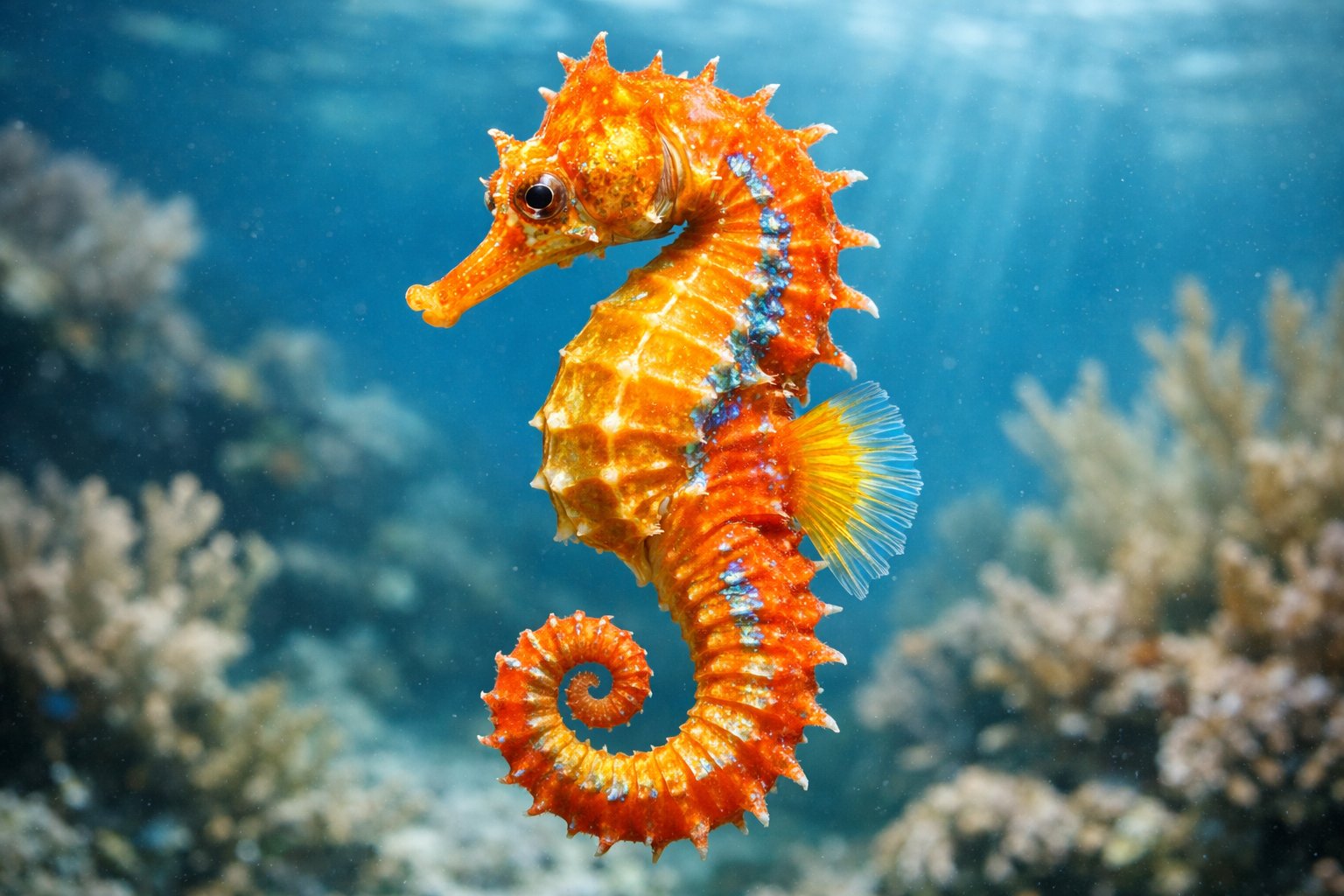
If you’re curious, this article will walk you through some standout species. I’ll show you what makes them beautiful and where they live, so you can imagine them in their actual habitats.
Ready to dive into the world of seahorses? Let’s go.
Most Beautiful Seahorse Species in the World

Three species really stand out for their size, rarity, and bold looks. I’ll break down their appearance, where they live, and why divers, photographers, and conservationists care about them.
Bargibanti’s Pygmy Seahorse (Hippocampus bargibanti)
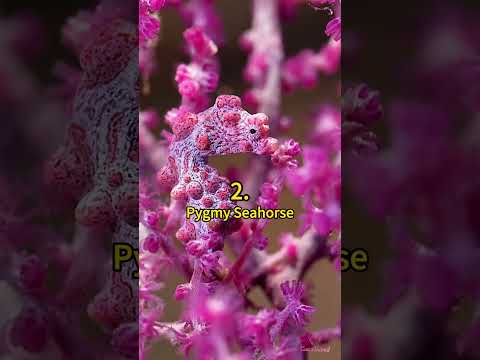
Bargibanti’s pygmy seahorse is absolutely tiny—just 2 cm long. It clings to colored gorgonian sea fans in the western and central Pacific.
You’ll spot its bulbous tubercles that match the coral’s texture and color. That camouflage makes it nearly invisible unless you know what to look for.
Key facts:
- Size: ~2 cm.
- Habitat: red or yellow gorgonian sea fans.
- Color: grayish-white with pink/red nodules, or yellow with orange nodules.
When you’re diving, don’t touch the sea fans. These little seahorses grip the coral with their prehensile tails and snack on tiny crustaceans.
Photographers love them for their perfect camouflage, and researchers often study them to learn about microhabitats and disguise.
Knysna Seahorse (Hippocampus capensis)
The Knysna seahorse only lives in three estuaries along South Africa’s coast. If you want to see one in the wild, you’ll have to travel there.
It grows bigger than pygmies, up to about 12–15 cm. Its color varies from brown to yellow, which helps it hide in seagrass and reeds.
What matters:
- Range: extremely limited—endemic to South Africa estuaries.
- Size: ~12–15 cm.
- Habitat: seagrass beds and estuarine reeds.
This species is important for conservation. Its tiny range makes it vulnerable to habitat loss and water quality problems.
Local teams work hard to monitor and protect the Knysna seahorse’s habitat.
Tiger Tail Seahorse (Hippocampus comes)
The tiger tail seahorse is bigger and shows off bold stripes on a pale body, giving it that “tiger” vibe.
You’ll find it in the western Pacific and eastern Indian Ocean, especially around the Philippines and Indonesia. It can reach up to 18 cm.
Notable traits:
- Size: up to ~18 cm.
- Range: western Pacific and eastern Indian Ocean.
- Pattern: bold striping and variable colors.
Look for it on coral reefs, among sponges, or in seagrass. It eats small crustaceans and often pairs up with a mate.
Its dramatic pattern makes it a favorite for underwater photographers and aquarium fans, but that popularity brings concerns about over-collection.
Characteristics and Habitats of Beautiful Seahorses
Let’s get into what makes some seahorses stand out and where they actually live. I’ll keep it simple—shape, color, hiding tricks, and close relatives.
Unique Physical Traits and Coloration
Seahorses come in all sorts of shapes. You’ll notice long snouts, tall coronets, and bony plates that make their bodies look ringed.
Those plates can look smooth or spiny. Some species have big round bellies, while pygmy seahorses barely reach an inch.
Color plays a huge role in their beauty. You might see bright yellow, red, mottled brown, or even purplish shades.
Many seahorses change color over a few hours or days to blend in. Stripes, spots, or little bumps—called tubercles—add extra detail and help you tell species apart.
Their eyes move independently, so a seahorse can watch for prey and danger at the same time. That prehensile tail lets them grip seagrass, reef branches, or gorgonians and stay put while they hunt.
Natural Environments: Reefs and Seagrass Beds
Seahorses need structure in the sea. They like calm, shallow places—coral reefs, seagrass beds, mangrove roots, and estuaries.
These spots give them places to hide and plenty of food nearby.
On reefs and among soft corals or gorgonians, they anchor to branches and fans. Seagrass beds provide long blades for wrapping tails and shelter from the current.
Most species live in the Indo-Pacific and temperate zones, but it depends on the local habitat.
If you want to find them, check low-current spots with lots of things they can hold onto. These areas also attract small prey, so seahorses have easy meals.
Camouflage and Adaptation
Seahorses depend on camouflage way more than speed. Their bodies, skin, and colors blend in with coral polyps, algae, or seagrass.
Pygmy species match their gorgonians or soft corals so well that you’ll probably miss them if you’re not looking closely.
Behavior helps too. They anchor with their tails and sway to look like part of the plants.
You’ll see them change color when stressed, during courtship, or just to match a new background. This helps them avoid predators and sneak up on tiny crustaceans.
They’ve got a weird way of eating, too. That tube-like snout lets them suck in prey with a quick snap.
Since they can’t chase food, hiding and waiting near their hunting grounds is how they survive.
Related Species: Seadragons
Seadragons, those close cousins in the Syngnathidae family, share a bunch of visual quirks with seahorses. Leafy and weedy seadragons show off wild, leaf-like appendages that look uncannily like drifting seaweed.
These flashy appendages honestly make them some of the most striking relatives you’ll ever see. Unlike seahorses, seadragons spend more time swimming out in open water.
Still, they rely a lot on their camouflage, especially around reefs and kelp. Their bodies stretch out long instead of standing upright, and they don’t have a prehensile tail at all.
If you’re into the beauty of seahorses, it’s worth checking out seadragons. Studying them really highlights how evolution can get creative with camouflage in the Syngnathidae group.
Curious about their looks or behavior? Here’s a leafy seadragon overview if you want to dive deeper: (https://www.nationalgeographic.com/animals/fish/facts/seahorses).


