
You might think seahorses grieve like little storybook lovers, but honestly, their reactions are all over the place. Some slow down, lose their appetite, or just hang out alone for a while. Others, though, start flirting with new partners as soon as the opportunity pops up.
Surviving seahorses usually look stressed at first. Depending on their species and environment, they might find a new mate or just carry on solo.

We’ll look at what these behaviors actually look like, why some pairs stick together longer, and how their habitat changes a seahorse’s odds after losing a mate.
That context might help you see seahorse pair bonds as just one piece of their complicated social lives and the pressures they face from the world around them.
What Really Happens When a Seahorse Loses Its Mate?
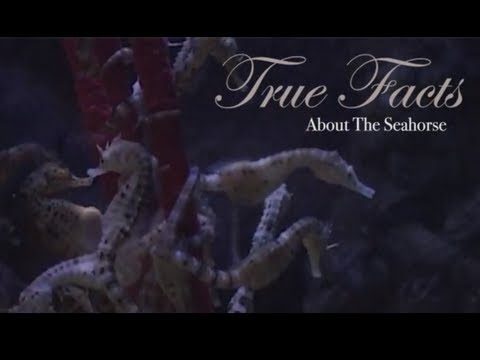
When a seahorse loses its mate, you’ll probably notice changes in how it acts, eats, and interacts with others. Sometimes those changes show up fast, sometimes slower—it really depends on the species, the habitat, and whether it was the male or female that’s gone.
Signs of Grief and Stress in Widowed Seahorses
A widowed seahorse often moves less and clings to a holdfast for longer stretches. Reduced swimming and fewer hunting attempts usually mean it’s stressed.
Their appetite can drop off. You might see a seahorse ignore tiny crustaceans it used to snap up without a second thought.
Stress can show up in their colors too. They might look pale or dull, or suddenly change color in ways you wouldn’t see during normal courtship.
In tanks, people report more hiding and lower activity after a partner disappears. That sort of behavior can lead to weight loss, illness, and less interest in mating.
Timeline and Behaviors of Seeking a New Partner
Some seahorses start showing off courtship moves within days or weeks if a new partner is around. They’ll do daily greetings, those little synchronized dances, and flash their colors.
You might see them entwine tails or swim side by side to check if they’re a good match.
But if there aren’t many mates around, a seahorse could wait it out or just ignore any half-hearted advances. Males carrying eggs might take longer to re-bond, especially if they’re still brooding.
Things like food, shelter, and how crowded the area is really matter here. In a good spot, new pairs can form within a season, but in rougher habitats, a seahorse might just stay single for ages.
Individual Variation Among Seahorse Species
Not all seahorses act the same, and you’ll see plenty of differences between species. Some, like the ones Project Seahorse studies, form strong pair bonds and do those daily greetings. Others swap partners more often, especially between broods.
Males and females don’t always react the same way. In some species, females get back to courting sooner, while males might hang back if they lost a partner during pregnancy.
Local stuff—like predators, how thick the seagrass is, or even the ratio of males to females—also changes things. If you’re watching different species, pay attention to their courtship style and where they live. That’ll give you a clue about how they handle losing a mate.
Pair Bonds, Social Life, and Environmental Impacts

Seahorse pair bonds shape how they behave every day, how successful they are at breeding, and how quickly they move on after losing a partner. Stuff like habitat quality, local population numbers, and human activity all play a role in whether you spot a lonely seahorse or a reunited pair.
How Pair Bonds Benefit Seahorse Survival
Pair bonds help seahorses find mates faster and sync up breeding, so they can raise more young in a season. Lined seahorses (Hippocampus erectus), for example, often stick with one partner for the season. They do daily greeting dances and time their egg transfers to the male’s pouch just right.
Staying paired saves energy. They skip the long searches and endless flirting, which is great because seahorses aren’t exactly Olympic swimmers and they live pretty spread out.
That extra efficiency can mean more broods and better odds for the babies.
Pairs also work together to defend small patches of seagrass or coral, keeping their food supply safe. When you protect those habitats, you help seahorses keep their pair bonds and raise more young.
Influence of Environment on Finding New Mates
If a seahorse loses its mate, the local habitat decides how quickly it’ll find someone new. Healthy seagrass beds and stable populations make it way easier to bump into a potential partner.
But when habitats get trashed—by pollution, overfishing, or whatever—seahorses are harder to find. That means longer searches, more risk from predators, and slower breeding.
Climate change and shrinking nursery areas make it even tougher for new pairs and their young to survive.
If you want to help, support efforts to protect seagrass, mangroves, and reefs. Those actions boost mate encounters and help keep seahorse populations steady.
Domesticated Seahorses and Changes in Social Structure
When you keep seahorses in captivity, you’ll notice the social rules shift a bit from what you’d see in the wild.
If you control things like density, food, and shelter, domesticated seahorses can form pairs pretty reliably.
Aquariums usually keep matched pairs of Hippocampus erectus because it boosts breeding success and helps protect the brood.
But captivity doesn’t just change their pairings.
It can also mess with their natural behavior.
Territorial defense drops off, and courtship timing can shift.
That makes reintroducing them into the wild kind of tricky—will they even follow the same pairing patterns as before?
Breeding programs that really work focus on tanks that mimic natural habitats.
They also care a lot about keeping genetic diversity high.
With that approach, you get healthier offspring and take some pressure off wild populations, which face threats that can break pair bonds.


