
If you’re looking for a furry friend that keeps barking to a minimum, you’ve come to the right place. Many dog owners seek out breeds that are known for being quieter, especially if they live in apartments or have close neighbors. The Basenji is often considered the least barking dog, as it is known for its unique vocalization that’s more of a yodel than a bark.
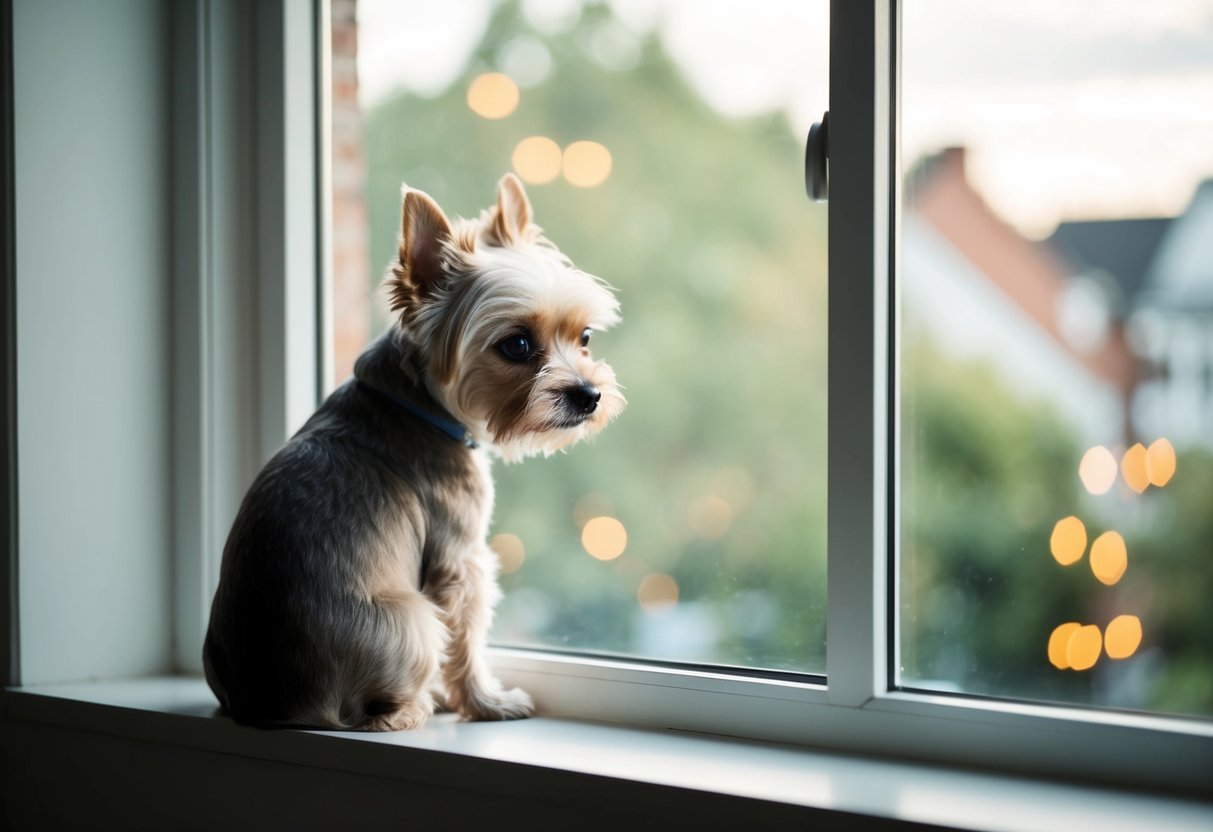
Quiet dogs can lead to a more peaceful household, and understanding which breeds fit this description can help you choose the right companion.
From the charming Shiba Inu to the calm French Bulldog, some breeds just don’t feel the urge to bark often. Join us as we explore the top choices for the quietest dogs that make excellent pets without the extra noise.
Understanding Dog Barking and Quiet Breeds

Dogs bark for various reasons, and understanding these reasons can help you choose a quieter breed. Some dogs are naturally more vocal than others.
By focusing on breeds that have a tendency to bark less, you can create a peaceful home environment for you and your neighbors.
Why Do Dogs Bark?
Barking is a normal part of dog behavior. Dogs bark to communicate. They might be alerting you to something unusual, expressing excitement, or even seeking attention.
Some common reasons for barking include:
- Alarm: Informing you of strangers or noises.
- Boredom: Seeking stimulation or play.
- Anxiety: Reacting to stress or fear.
While barking is natural, it can become a problem when it turns into nuisance barking. This occurs when a dog’s barking becomes excessive and disturbs you or your neighbors. Training and socialization can help manage this behavior.
Characteristics of Low-Barking Breeds
If you’re looking for a quieter companion, certain breeds are known for their calm demeanor and low barking. These dogs typically communicate less than their vocal counterparts.
Some traits of quiet dog breeds include:
- Temperament: Many quiet breeds are gentle and friendly.
- Energy Level: Lower energy breeds may not feel the need to bark for attention.
- Training: These breeds often respond well to training, reducing unnecessary barking.
Examples of quiet dog breeds include the Shiba Inu, known for being alert but not overly barky, and the Basenji, often referred to as a “barkless dog.” Choosing a breed with these characteristics can lead to a more peaceful living environment.
Popular Quiet Dog Breeds
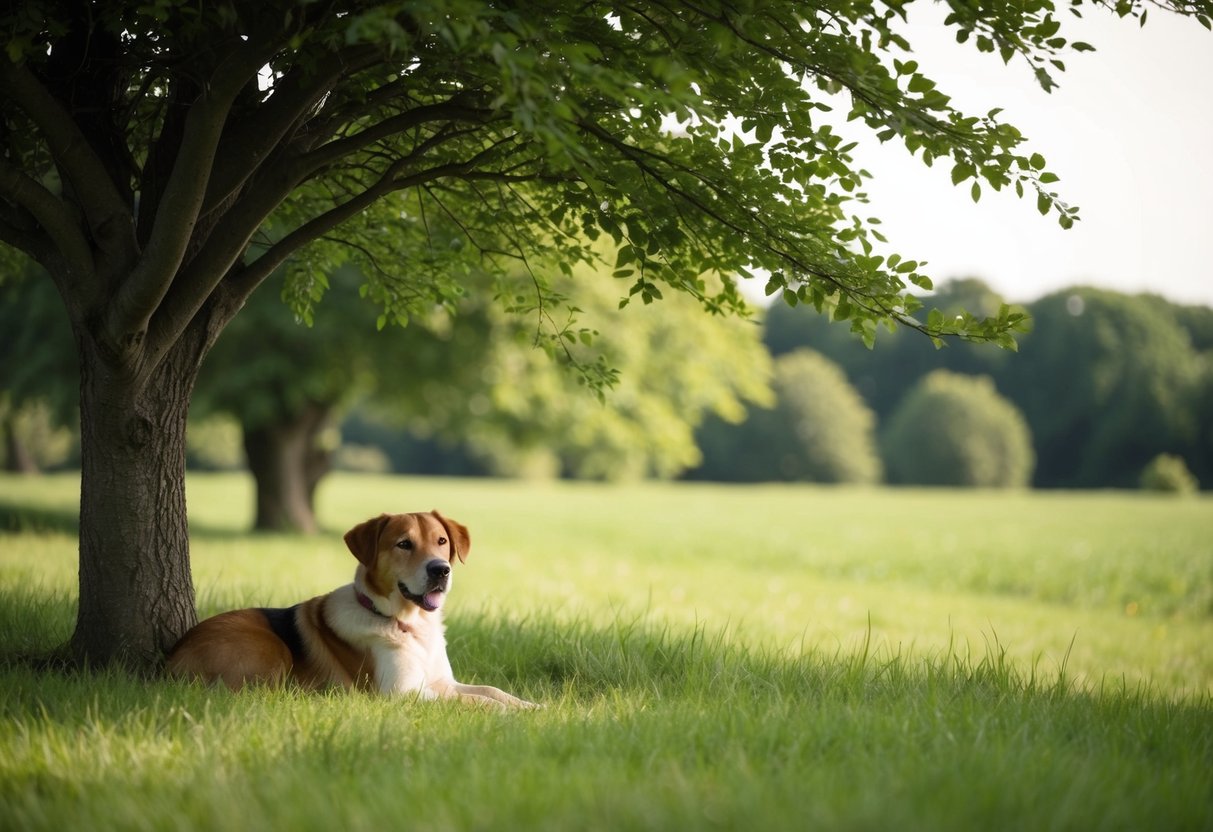
If you’re searching for a dog that stays quiet, many breeds fit the bill. These pups can make wonderful companions without the constant barking.
Small Quiet Breeds
Small dog breeds often find homes in apartments or smaller living spaces. They can be wonderful companions without a lot of noise.
- Basenji: Known as the “barkless dog,” the Basenji makes a unique yodel-like sound instead of barking.
- Cavalier King Charles Spaniel: This affectionate breed is friendly and generally quiet, making them ideal for families.
- French Bulldog: This breed is known for its calm demeanor and only barks occasionally.
- Shih Tzu: These little fluffballs are loving and often reserved. They don’t tend to bark excessively.
Other small breeds like the Bichon Frise and Havanese also tend to be quieter.
Medium to Large Quiet Breeds
When it comes to medium and large breeds, there are several that can be surprisingly quiet. They can provide companionship without too much barking.
- Bernese Mountain Dog: Gentle giants, they are calm and usually prefer to lounge than bark.
- Akita: This confident breed is known to be loyal and protective but can also be very quiet.
- Great Dane: Often seen as gentle giants, they usually bark infrequently.
- Chow Chow: This breed has a distinctive personality and tends to be quiet, making them good for calm households.
Other breeds like the Newfoundland and Irish Setter are also known for being less vocal.
Sighthound Family Breeds
Sighthounds are known for their speed and grace, and they can also be surprisingly quiet.
- Whippet: These dogs are gentle and very reserved, often only barking when necessary.
- Borzoi: Known for their elegant looks, Borzois are also calm and tend not to bark much.
- Saluki: This breed is one of the quietest dogs, making them a great choice for quieter homes.
- Italian Greyhound: Playful yet quiet, these dogs tend to be low barkers.
Including breeds like the Scottish Deerhound and Greyhound keeps the list diverse, allowing for many options in dog lovers’ homes.
Training and Care for Low-Barking Dogs
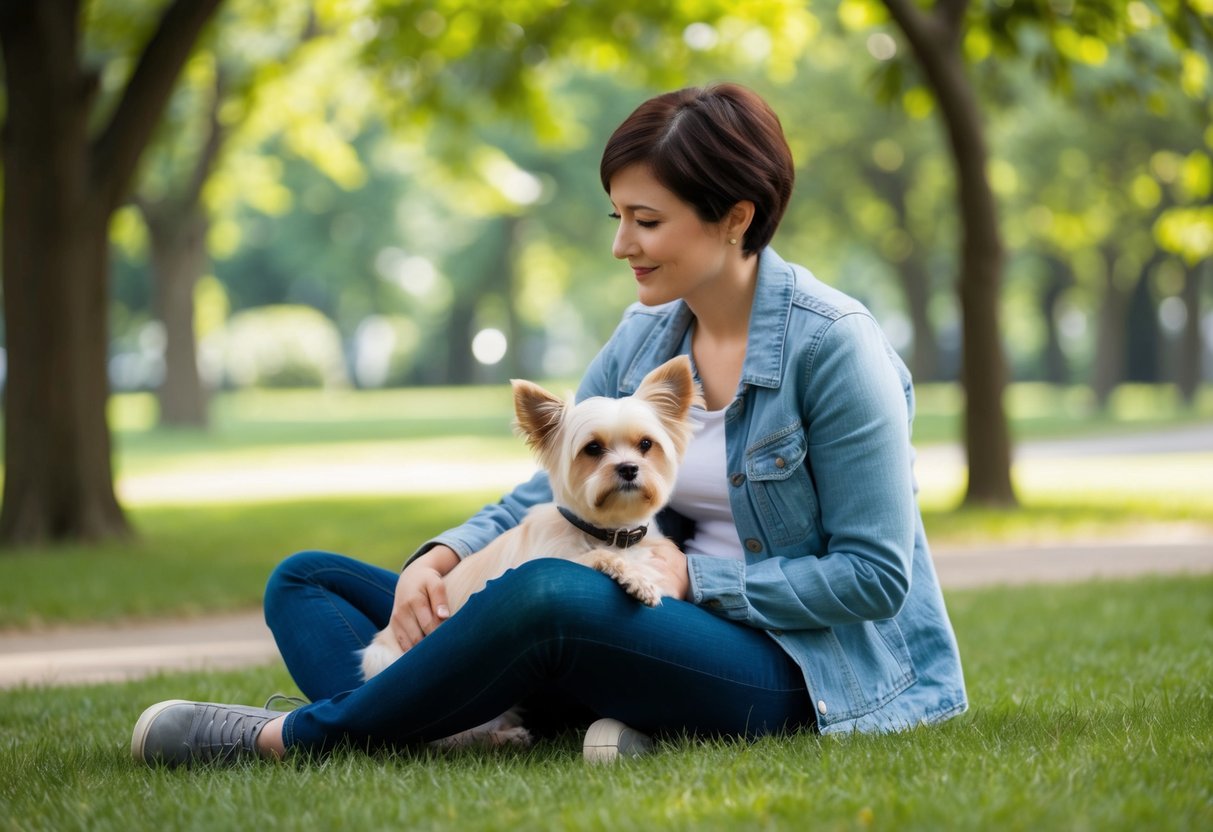
Taking care of low-barking dogs involves meeting their specific needs for mental and physical activity. Engaging in positive reinforcement training can help strengthen your bond with your pet while reducing unwanted behavior.
Mental and Physical Stimulation Needs
Your low-barking dog requires both mental and physical stimulation to stay happy and healthy. Regular exercise is crucial for their well-being.
Consider daily walks, playtime, and interactive games.
Mental exercises are just as important. Puzzle toys or teaching new tricks can keep their minds sharp. Spend at least 20-30 minutes every day on mental activities.
Choose activities that match your dog’s energy level. For an Australian Cattle Dog, for example, endurance and agility exercises can be beneficial.
A balanced routine will help limit barking while building a strong bond with you. A well-stimulated dog is less likely to bark out of boredom.
Positive Reinforcement Training Techniques
Using positive reinforcement is key in training low-barking dogs. This method encourages good behavior by rewarding your dog with treats, praise, or playtime when they respond correctly.
Start with simple commands like “sit” or “stay.” When your dog shows calm behavior, reward them promptly. This helps them learn the behaviors you want to encourage.
Socialization is also important. Expose your dog to different environments, people, and other dogs. This can reduce anxiety and limit barking in new situations.
Consistency is vital for effective training. Set aside time daily to practice techniques. Over time, your dog will learn to engage positively without barking excessively.


