
Leaving your dog home alone can be a tough decision for any pet owner. Generally, you can leave an adult dog alone for about 4 to 6 hours. Meanwhile, puppies and older dogs should be left alone for shorter periods, usually around 2 to 3 hours. Every dog is different, and their ability to cope with being alone depends on factors like their age, breed, and temperament.
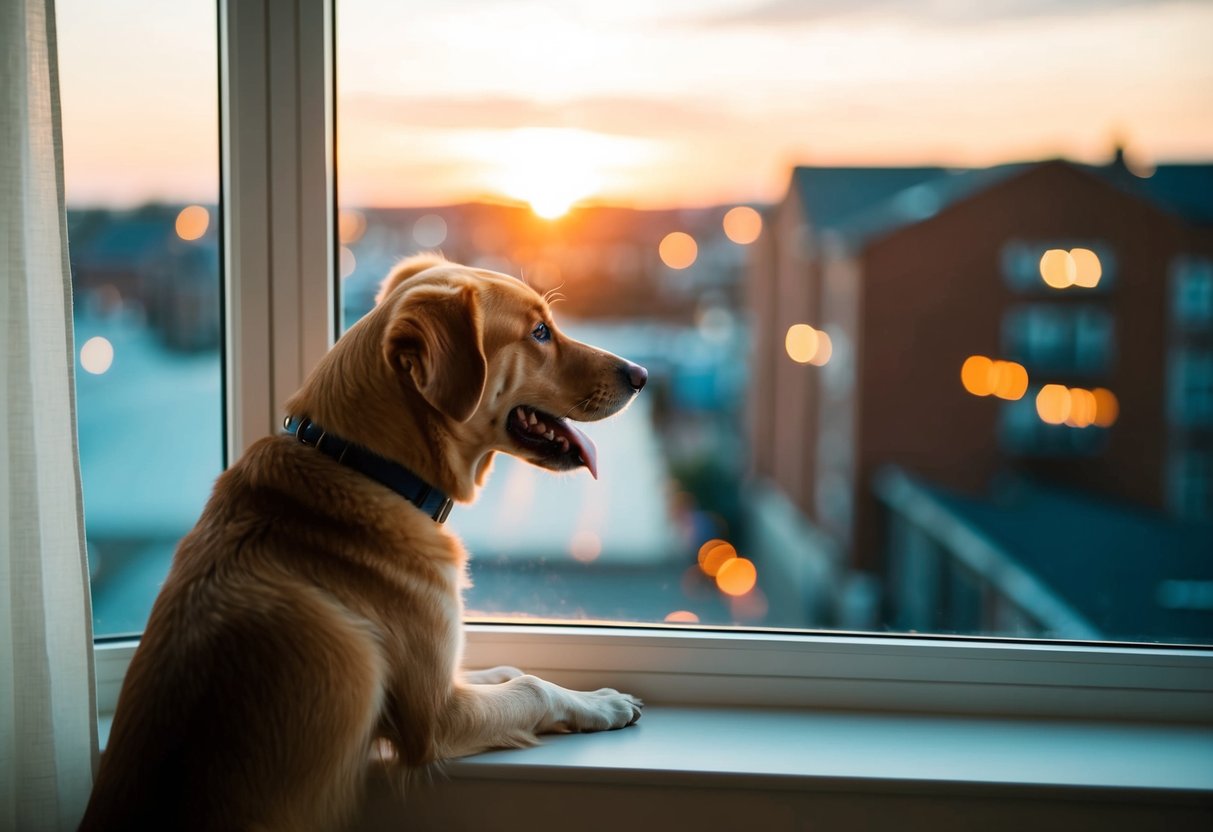
It’s important to consider your dog’s physical and emotional needs. Creating a routine where your dog gets exercise and attention before you leave can help ease their anxiety. This article will guide you on the best practices for leaving your furry friend at home while ensuring their well-being.
Understanding Dog Behavior and Needs

Dogs are social animals that thrive on companionship. Understanding their behavior and needs can help you decide how long to leave them alone. Each dog is unique, and age, breed, and habits all play a role in their emotional and physical requirements.
Social Animals and Their Need for Company
Dogs are pack animals by nature. They enjoy being around people and other dogs. When you leave your dog home alone for extended periods, they may feel lonely and stressed.
This loneliness can lead to various problems. For instance, your dog may bark excessively or become destructive. To prevent this, make sure to provide mental and physical stimulation. Consider interactive toys or leaving the TV on to keep them company.
Age-Related Needs and Differences
Your dog’s age impacts how long they can be left alone.
- Young puppies typically need frequent breaks for potty needs and socialization.
- Adolescent dogs are often more independent but still require interaction.
- Adult dogs can usually stay alone for 6-8 hours, depending on their training and behavior.
- Senior dogs may need more attention and help getting outside.
Being aware of these needs can help you determine a safe timeframe for leaving your dog home alone.
Signs and Effects of Separation Anxiety
Separation anxiety is common in many dogs. You might notice behaviors such as excessive barking, chewing furniture, or pacing back and forth. These behaviors signal that your dog is unhappy being left alone.
If you suspect separation anxiety, consider training techniques. Gradually increasing the time you leave them alone can help. Additionally, providing a safe space with their bed or toys can make them feel more secure.
Guidelines for Leaving Dogs Home Alone
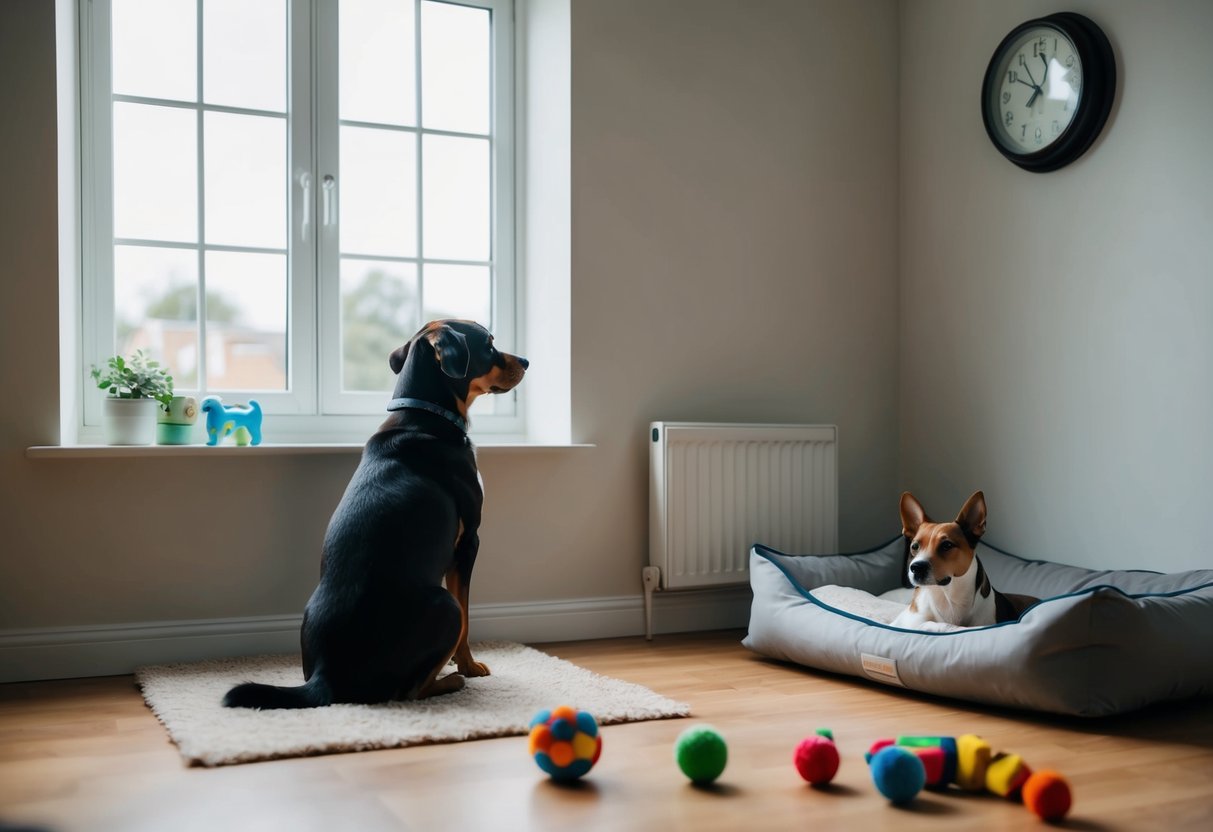
Leaving your dog alone can be a challenge, especially if you’re unsure about how long it’s safe. It’s important to know the appropriate duration based on your dog’s age and training level. This will help you create a comfortable environment for your furry friend while you are away.
Appropriate Duration for Different Age Groups
The time you can leave your dog alone varies by age. Here’s a quick guide:
- Puppies (less than 6 months): You should not leave puppies alone for more than 2-3 hours. They have small bladders and need frequent bathroom breaks.
- Adult Dogs (6 months to 7 years): Generally, adult dogs can stay alone for about 4-6 hours. They can manage this duration better if they are well-trained and used to being alone.
- Senior Dogs (7 years and older): Older dogs may have health issues or reduced stamina, so consider limiting alone time to about 3-5 hours.
Always ensure your dog has access to water and a comfortable resting spot when left alone.
Training Tips for Increasing Alone Time
Training can help your dog feel more comfortable being alone. Here are some effective tips:
- Start Small: Begin with short periods alone, gradually increasing the duration as your dog adapts.
- Positive Reinforcement: Reward your dog with treats or praise when they stay calm while you’re away. This teaches them that alone time is a positive experience.
- Safe Space: Create a cozy area for your dog with their favorite toys and a bed. This gives them a comforting place to relax when you’re not home.
Consistency in training builds trust and helps your dog understand that you will return.
Solutions for Managing a Dog’s Alone Time
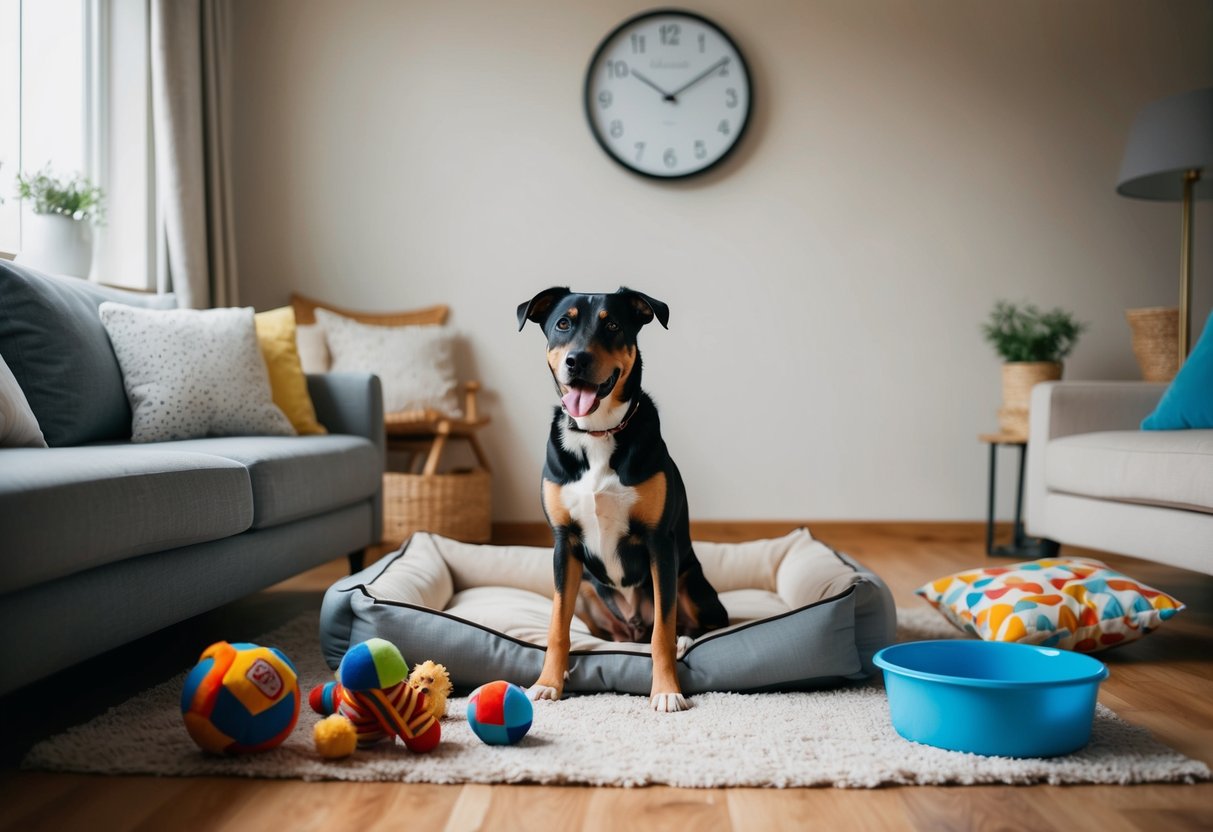
Finding ways to keep your dog happy and comfortable when they are home alone is important. Some effective strategies include hiring pet sitters or dog walkers and utilizing pee pads and engaging dog toys. Each of these solutions can help reduce stress for both you and your furry friend.
Hiring Pet Sitters and Dog Walkers
One option to consider is hiring a pet sitter or dog walker. These professionals can come to your home during the day to check in on your dog. They can provide companionship, exercise, and even bathroom breaks.
Benefits of Hiring:
- Reduces Loneliness: Your dog enjoys human interaction.
- Regular Exercise: A dog walker ensures your dog stays active.
- Less Stress: You’ll worry less knowing your dog is cared for.
Try hiring someone a few times a week to make a difference in your dog’s routine. This also helps with bladder control, as regular walks can minimize accidents in the house.
Utilizing Pee Pads and Toys for Engagement
Using pee pads can be a smart strategy for dogs that may not hold their bladder for long periods. Place them in a designated area where your dog can relieve themselves without damaging your home.
Complementing This Strategy:
- Engaging Dog Toys: Use puzzle toys to keep your dog mentally stimulated while you’re gone.
- Comfort Items: A favorite blanket or item can provide comfort.
This combination helps ensure your dog feels safe and entertained. Engaging toys can occupy their time, making it easier for them to settle down and relax.
Professional Advice and Support
Getting the right support can make a big difference in how long you leave your dog at home alone. Knowing when to reach out for help and building a good support system can create a happier environment for both you and your pup.
When to Consult a Professional Trainer
If you’re unsure how long to leave your dog alone, or if your dog shows signs of anxiety, it’s time to talk to a professional dog trainer. These experts can assess your dog’s behavior and needs.
Signs your dog may need help include:
- Excessive barking
- Destructive behavior
- Accidents in the house
A trainer can provide personalized advice based on your dog’s age, breed, and temperament. They can help you create a routine that keeps your dog comfortable during your absences.
Building a Support System for Dog Owners
Creating a support system is key for dog owners. This includes friends, family, and even pet professionals who can assist you.
Consider finding:
- Dog walkers to break up long hours alone
- Doggy daycares for socialization
- Pet sitters for added comfort at home
Building relationships with other pet owners can also provide moral support. Online forums or local pet groups are great places to share experiences and get tips.
You’re not alone in this journey, and having a strong support system can ease the stress of leaving your dog home alone.


