
When it comes to dog breeds known for their toughness, you may wonder which one stands out as the hardest to fight. Many factors contribute to a dog’s fighting ability, such as strength, endurance, and temperament. The breed often recognized as the hardest in fights is the American Pit Bull Terrier, known for its incredible strength and determination.
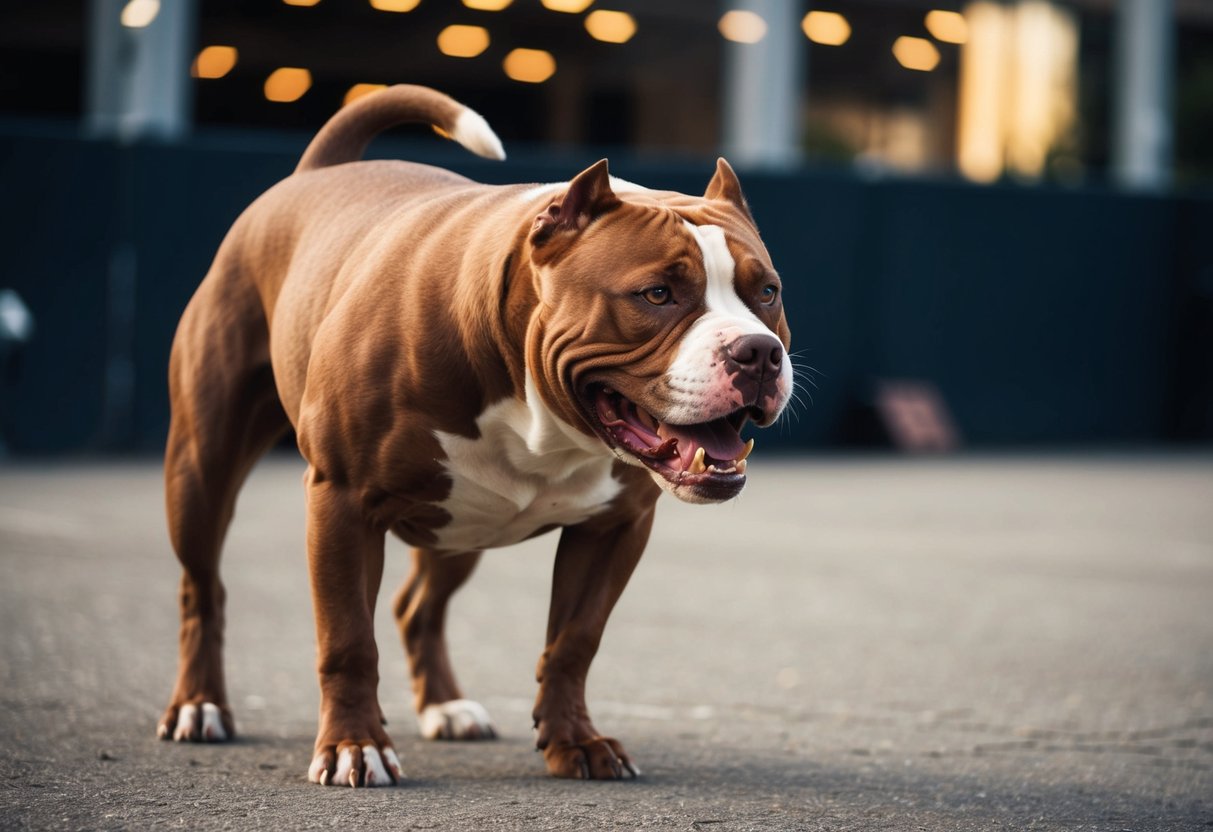
These dogs have a long history of being bred for specific traits that make them formidable. Their muscular build and high energy levels allow them to be resilient and powerful, which is why they often top the list in discussions about fighting dogs.
Understanding the traits that make certain breeds tough can be fascinating and important, especially if you’re looking to learn more about dog behavior and care. Whether you are a dog lover or just curious, diving into the world of canine strength and resilience will definitely intrigue you.
Understanding Dog Breeds and Characteristics

When considering the traits of different dog breeds, important characteristics come into play, such as behavioral tendencies and protective instincts. Understanding these aspects can help you choose the right companion or look into specific breeds known for their loyalty and intelligence.
Breed Traits and Behavioral Tendencies
Each dog breed comes with unique traits. For example, mastiffs, like the English Mastiff and Bullmastiff, exhibit a calm demeanor but are also very protective. Breeds like the Kangal are known for their strong protective instincts and resilience.
Working dogs, such as German Shepherds and Belgian Malinois, show high trainability and intelligence, making them popular choices for police and personal protection. Breeds like the American Pit Bull Terrier and Doberman Pinscher are noted for their loyalty and ability to follow commands, while others, like the Siberian Husky, are known for their high energy and independent spirit.
Guard Dogs and Protective Nature
Guard dogs play a vital role in home safety. Breeds like the Rottweiler, Dogo Argentino, and Cane Corso are often chosen for their protective nature. These breeds bond closely with their families and are ready to defend their territory.
Dogs such as the Alaskan Malamute and Rhodesian Ridgeback also display strong protective instincts but can be friendly with proper training. Tosa Inu and Presa Canario are excellent examples of dogs that are both loyal companions and formidable protectors, depending on their upbringing and training.
The Aspect of Intelligence in Dogs
Intelligence varies among dog breeds. German Shepherds are among the most intelligent breeds, excelling in training for jobs like police work. Belgian Malinois also ranks high, known for their speed and agility in tasks.
On the other hand, breeds like the Chow Chow or Tibetan Mastiff may be less eager to please, showing a more independent streak. However, all dogs can learn and adapt with the right training methods. Working breeds, such as the Doberman and Leonberger, combine intelligence with strong physical abilities, making them excellent choices for various roles, from family pets to service dogs.
Physical Attributes of Strong Dog Breeds
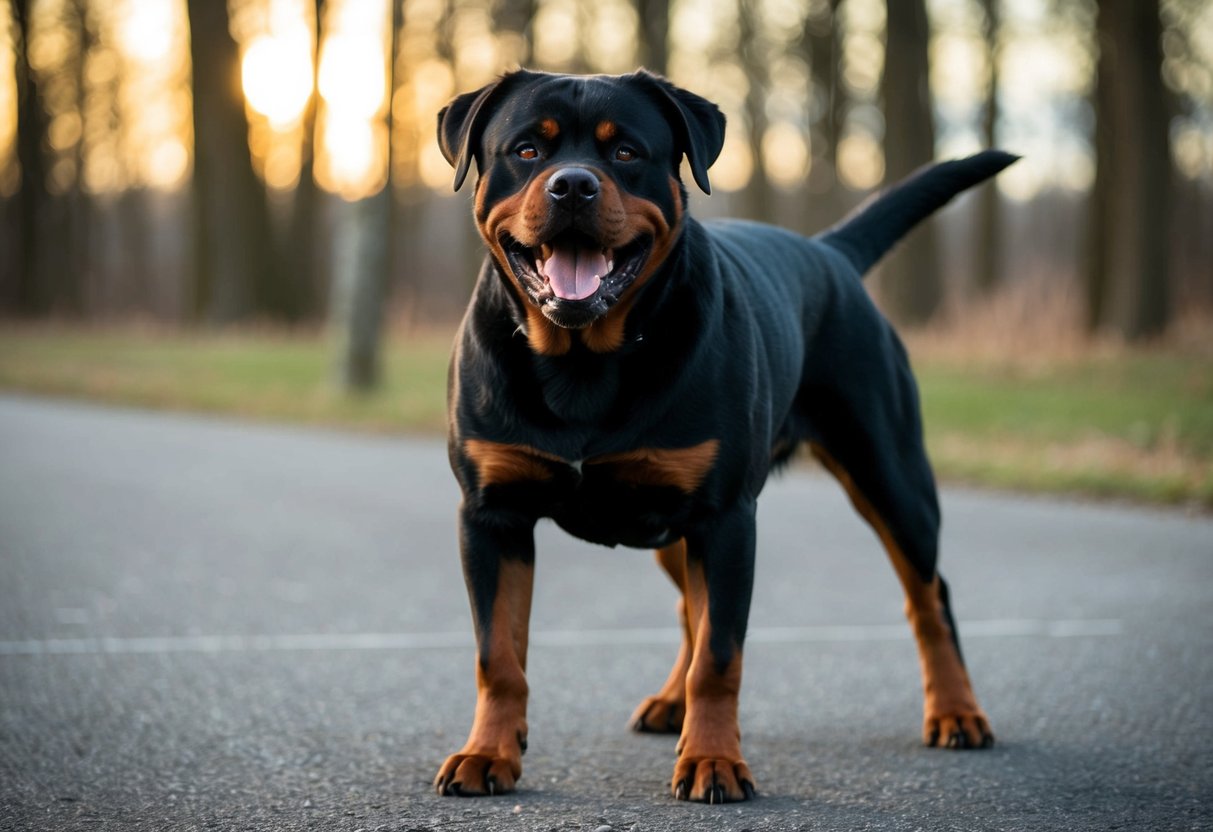
When considering strong dog breeds, two key physical attributes stand out: muscular build and endurance, along with bite force and jaw strength. These factors contribute significantly to their capabilities in various scenarios.
Muscular Build and Endurance
Many strong dog breeds possess a muscular build that enhances their overall strength. This physical structure allows them to perform demanding tasks and withstand challenges. Common breeds like Rottweilers and Mastiffs are known for their bulk and muscle tone.
In addition to strength, these dogs often have great endurance. This means they can maintain high levels of activity for extended periods. For example, Belgian Malinois excel in tasks requiring both speed and stamina. Their combination of muscle and endurance makes them reliable partners in many high-pressure situations.
Bite Force and Jaw Strength
Another vital aspect of strong dogs is their bite force. Some breeds, like the Kangal, exhibit one of the strongest bite forces measured in dogs. This bite force is crucial for protection and guarding.
Moreover, jaw strength also plays an essential role in their capabilities. Dogs with powerful jaws can hold firmly when necessary. Breeds such as the American Pit Bull Terrier have strong jaws, which contribute to their effectiveness in various roles.
Both bite force and jaw strength are critical for working dogs, especially in roles like security or rescue.
Training, Socialization, and Management
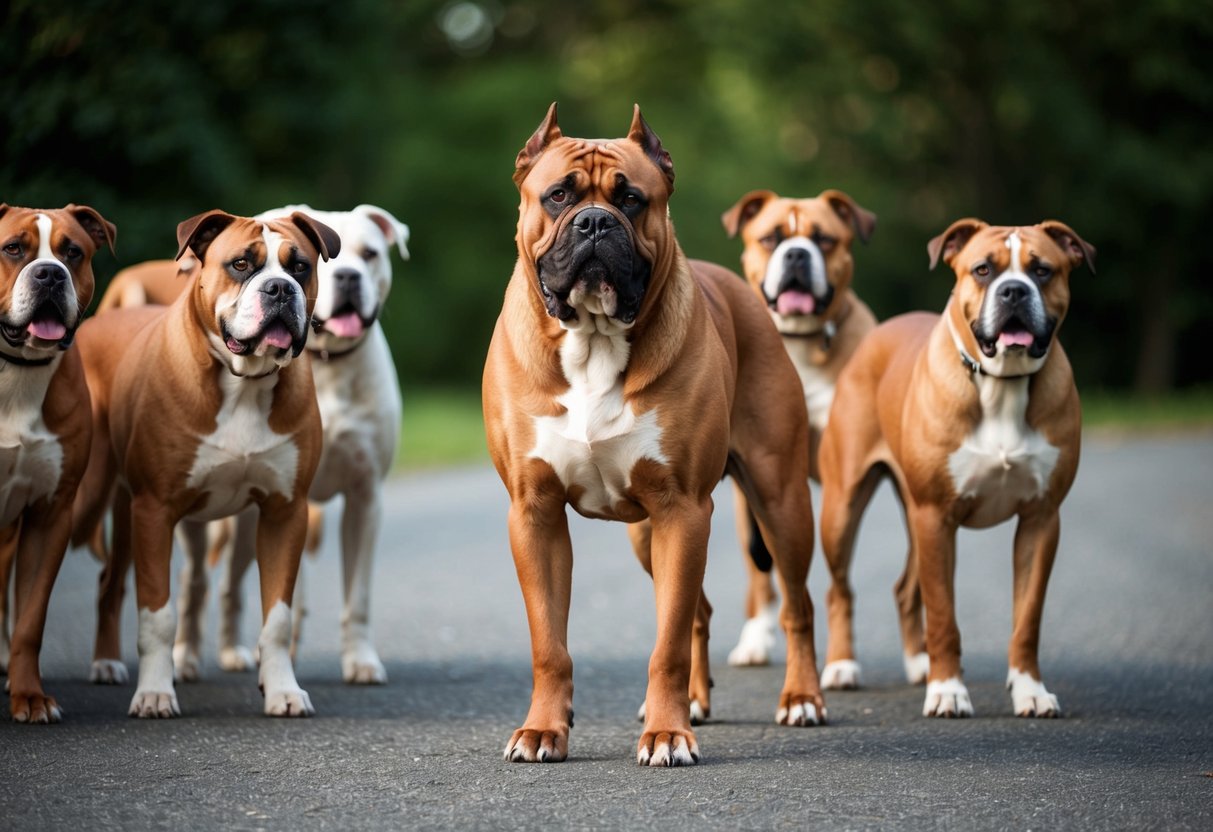
Effective training and socialization play a crucial role in helping dogs behave well and interact peacefully with others. Proper management also helps prevent aggressive behaviors, especially in strong breeds like the Rottweiler.
Effective Training and Socialization Strategies
Training your dog, especially a Rottweiler, requires consistency and patience. Start with basic commands like “sit,” “stay,” and “come.” Use positive reinforcement methods, such as treats or praise, to encourage good behavior.
Socialization is equally important. Expose your Rottweiler to various people, environments, and other animals. This helps them feel comfortable in different situations.
Puppy classes can be a great way to achieve this. Regular walks in the neighborhood are also helpful.
Create a structured routine that includes playtime and training sessions. This keeps your dog mentally stimulated and helps them learn appropriate behaviors. Gradually introduce your dog to new experiences to build their confidence.
The Role of Ownership in Dog Behavior
As a dog owner, your attitude and actions directly influence your pet’s behavior. Be a calm and assertive leader. Your Rottweiler needs to understand that you are in charge to feel secure.
Establish clear boundaries and rules at home. Consistency in your responses to behaviors—whether good or bad—allows your dog to understand what is expected.
Regularly practice training commands to keep their skills sharp.
Prioritize socializing your Rottweiler with family and friends. This not only makes them more adaptable but helps reduce any fear or aggression towards strangers. A well-socialized dog is often a happier and more well-behaved companion.


