
When choosing a furry friend, you might wonder which dog breeds are the hardest to train. Training a dog requires patience, understanding, and knowledge of canine behavior. The Afghan Hound is often regarded as one of the hardest dog breeds to tame due to its independent temperament and stubborn nature.
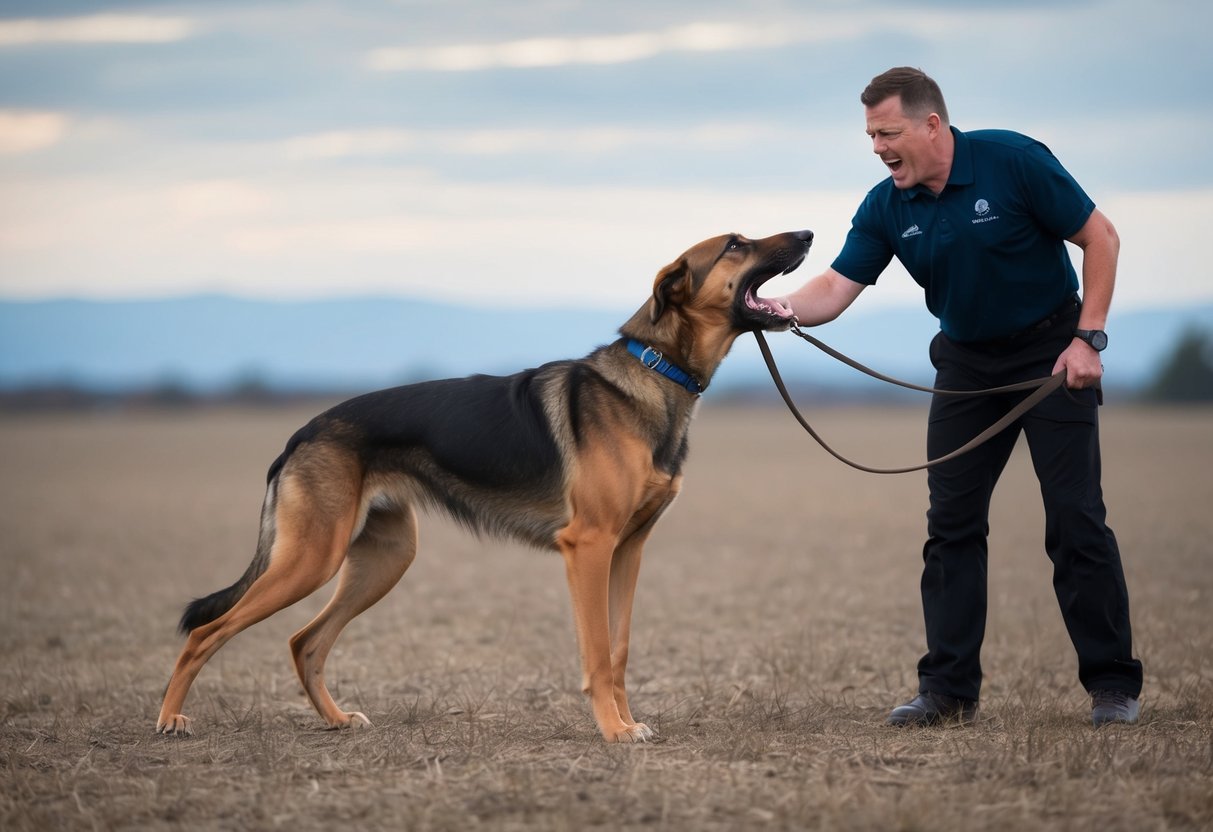
Understanding the specific traits and behavior of different breeds can help you decide which dog is right for you. Breeds like the Siberian Husky and Jack Russell Terrier also fall into the challenging category. These dogs are known for their strong wills and high energy levels, making training a task that requires extra effort and dedication.
If you’re considering bringing a new dog into your home, it’s important to be prepared for the challenges that come with certain breeds. Learning about the hardest dog breeds to train can help you gauge what to expect and how to tailor your approach to training.
Understanding Canine Temperament and Trainability
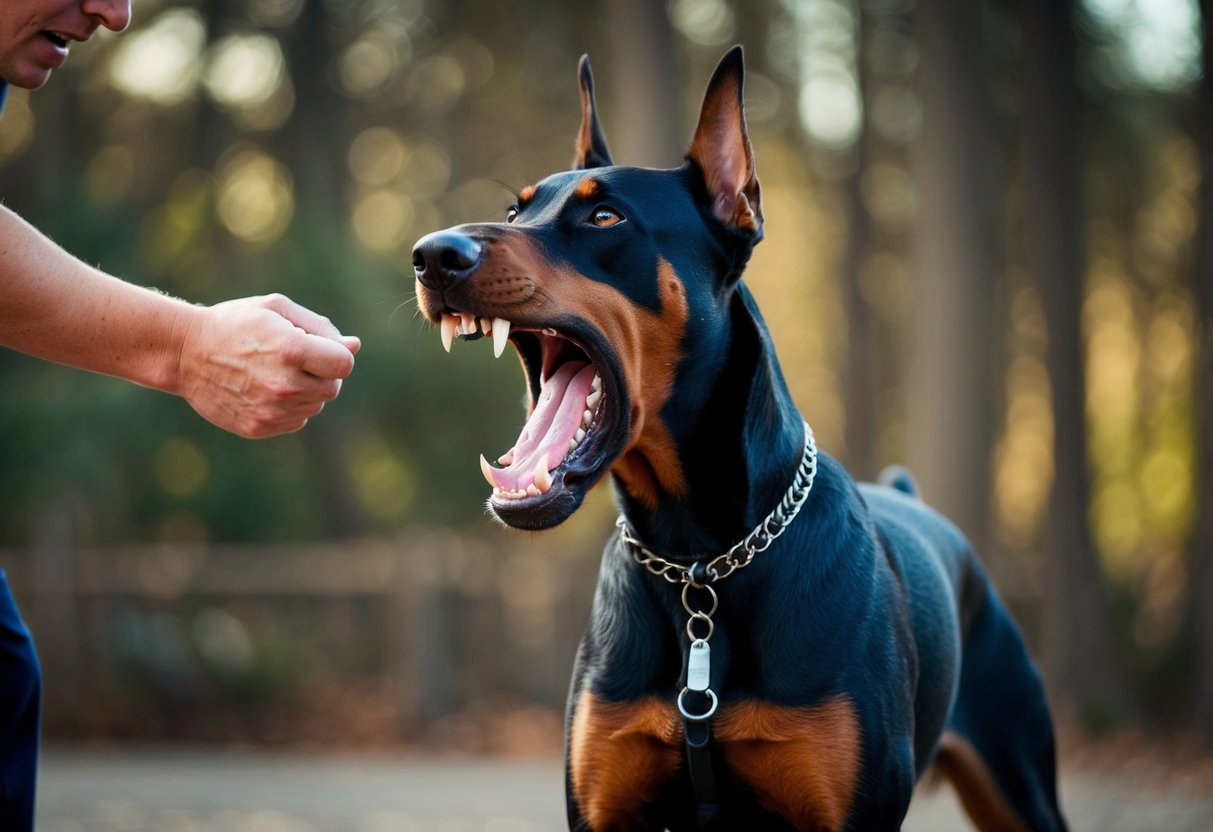
Every dog has a unique personality and learning style. Knowing their temperament and factors that affect trainability can help you understand how to train them effectively. This section focuses on assessing dog behavior, what influences trainability, and the best positive training techniques.
Assessing Dog Behavior
To understand your dog, you first need to assess their behavior. Behavioral assessments can help identify a dog’s temperament traits, such as friendliness, curiosity, or stubbornness. Canine behavioral assessments often include watching how a dog interacts with people and other animals.
You might notice how easily your dog takes commands. Breeds with a calm demeanor and willingness to please are typically easier to train. Keep track of any aggressive or fearful reactions, as this can indicate areas where your dog may need more support.
Factors Influencing Trainability
Several factors influence how trainable your dog might be. One key factor is intelligence. Dogs with high intelligence tend to learn commands more quickly. However, intelligence alone doesn’t guarantee easy training. Some breeds may be smart but also strong-willed, leading to training challenges.
Temperament plays a big role, too. A friendly, eager-to-please dog may be more trainable than an independent dog. Additionally, early socialization can improve trainability. Exposing your dog to different environments and people helps them adapt and learn more effectively.
Positive Training Techniques
Using positive reinforcement is one of the best training techniques. This involves rewarding your dog with treats, praise, or play when they follow a command. Positive reinforcement builds a strong bond between you and your dog, making training more enjoyable for both of you.
Other techniques include clicker training and shaping behaviors gradually. Clicker training uses a sound to mark correct actions, while shaping helps your dog learn by rewarding successive steps toward the desired behavior. Always remember to be patient; training takes time and consistency!
Challenges of Training Independent and Stubborn Breeds

Training dogs with independent and stubborn traits can be quite a journey. You may encounter unique challenges that require patience and creativity. Here are some important aspects to consider.
Independent Dog Breeds
Certain breeds are known for their independent nature, which can make training difficult. The Siberian Husky is a prime example. Huskies often think for themselves and might ignore commands.
Similarly, breeds like the Basenji and Chow Chow have a strong will and may prefer to do things their own way. The Afghan Hound, known for its beauty, also exhibits a relaxed attitude toward training. These dogs often require a trainer who can match their level of independence without becoming frustrated.
Dealing with Stubbornness
Stubborn dogs can test your limits. Breeds like the Mastiff and Great Pyrenees are well-known for showing stubborn behavior. When faced with these challenges, it is crucial to remain calm and patient.
Using positive reinforcement works well, but consistency is key. For example, reward good behavior with treats or praise immediately. This encourages them to associate training with something positive.
Also, setting clear boundaries is essential. Make sure you are firm and consistent with your commands. This helps them understand what you expect.
Customizing Training for Temperaments
Each dog has its unique temperament, which influences how they learn. For Shiba Inus, a breed known for its stubbornness, short and fun training sessions work best. You can keep them engaged by combining commands with games.
For breeds like the Husky, physical exercise is essential before training. A tired dog is often more receptive.
Consider age and past experiences too. If a dog has had negative training experiences, build trust and confidence first. Tailoring your approach can make a big difference in your training success.
Effective Training Methods for Tough-to-Tame Dogs
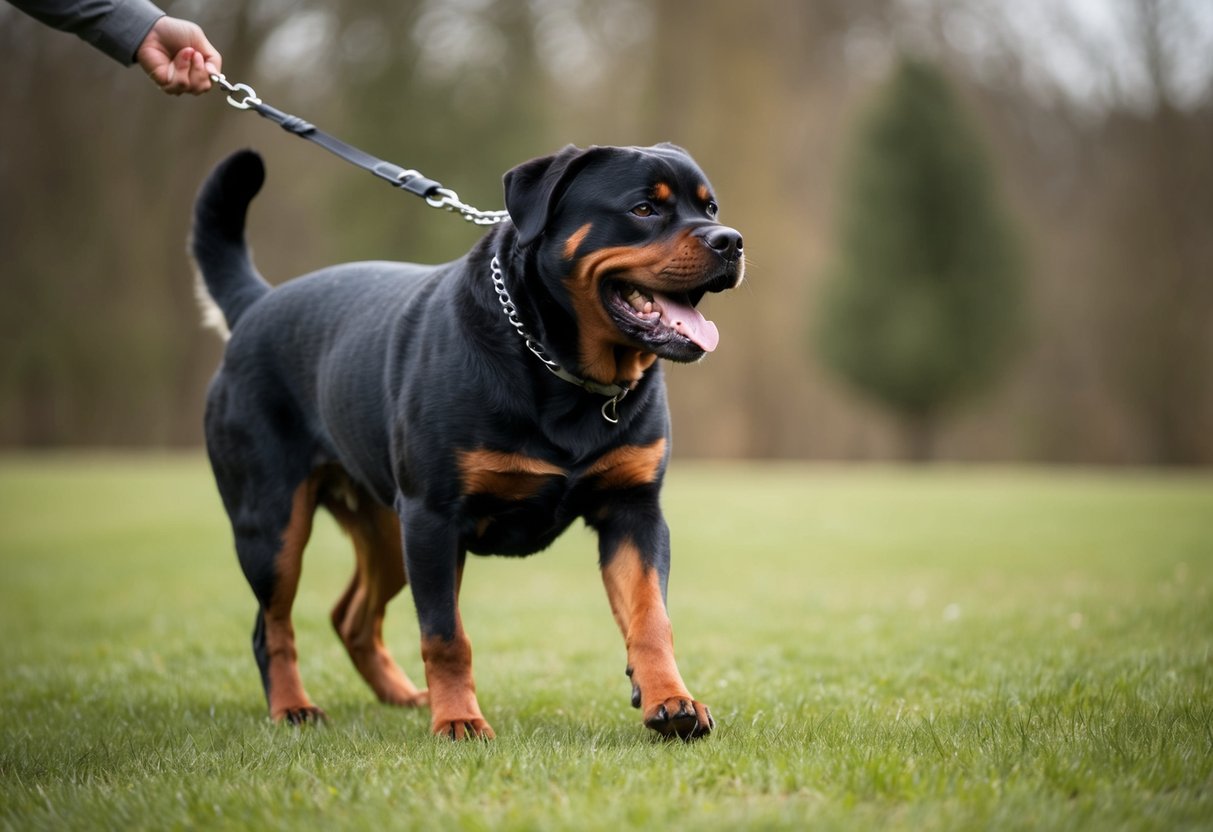
Training hard-to-tame dogs requires patience and the right approach. Understanding effective methods can lead to success. Here are key training techniques that will help you connect with your dog and improve their behavior.
Rewards-Based Approach
Using a rewards-based approach is one of the best strategies for training tough-to-tame breeds. This method emphasizes positive reinforcement. By rewarding your dog with treats, praise, or toys when they follow commands, you encourage them to repeat these behaviors.
For example, if you’re training a Border Collie or Australian Shepherd, be sure to have high-value treats ready. These dogs are very intelligent and respond well to rewards. If you have a Jack Russell Terrier, keep training sessions short and fun, as they can lose focus easily.
Remember to gradually increase difficulty. Start with simple commands and work your way up. This approach builds confidence in hard-to-train dogs and strengthens your bond.
Building a Training Routine
Creating a consistent training routine is essential for success. Dogs thrive on structure. Try setting aside a specific time each day for training, even if it’s just 10-15 minutes.
Key elements to include in your routine:
- Regular Commands: Use the same commands consistently. This helps your dog learn faster.
- Short Sessions: Keep training sessions short and engaging to hold your dog’s attention.
- Variety: Mix up activities to keep your dog interested. Include commands, tricks, and agility exercises.
Esablishing a routine will help hard-to-train dogs feel more secure. Focus on their unique needs, and adjust your methods based on their learning pace and style.
Maintaining Consistency
Maintaining consistency in your training helps reinforce lessons. Be clear in your expectations and follow through. For example, if you don’t want your dog to jump on furniture, be firm about it every time.
When working with hard-to-train dogs, everyone in your household should use the same commands and rules. This avoids confusing your dog. Create a training chart to track progress and note what works best.
Also, be patient. Some breeds, like Border Collies and Australian Shepherds, may take longer to respond to training. Consistency will lead to improvement. Keep showing love and encouragement, and your hard work will pay off.
Behavioral Issues and Health Concerns Affecting Trainability
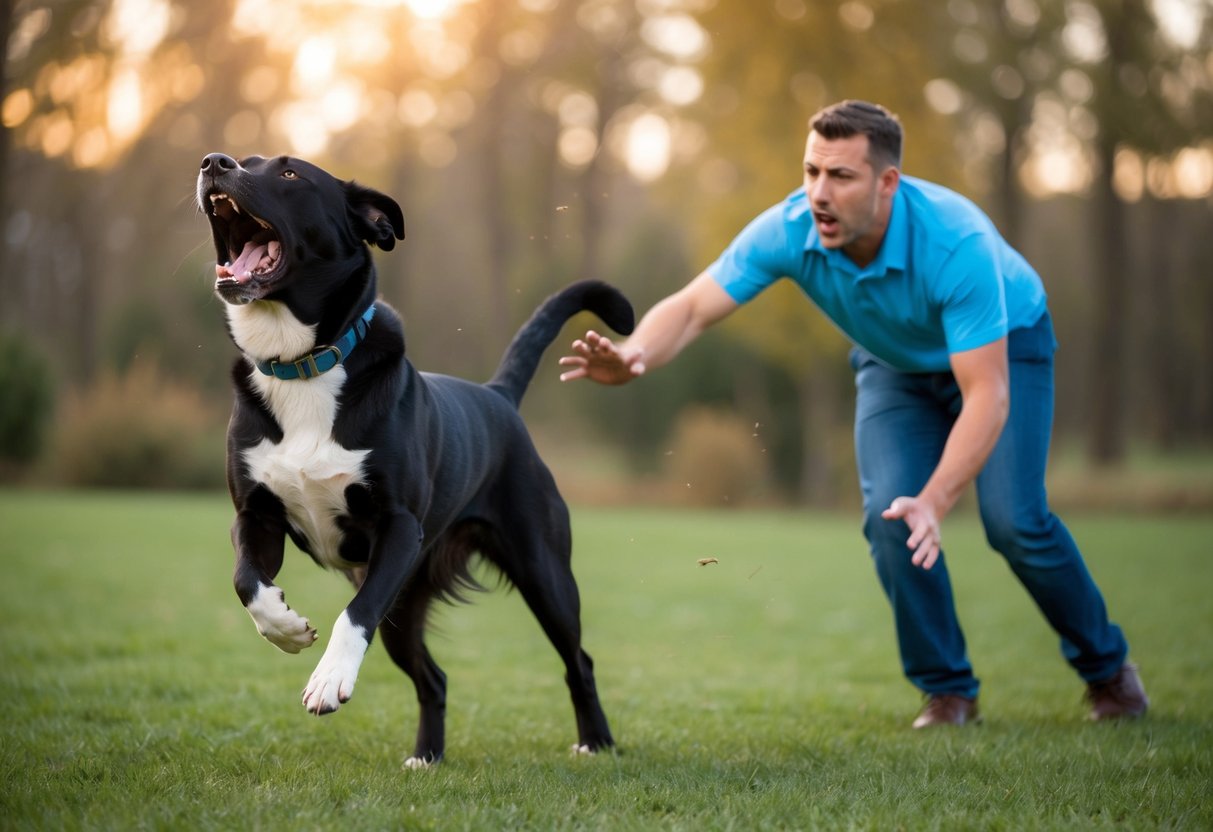
Training a dog can be challenging, especially when behavioral issues and health concerns come into play. Understanding these aspects is crucial to improving trainability and ensuring a fulfilling relationship with your pet.
Addressing Aggression and Fear
Aggression and fear can significantly hinder your dog’s ability to learn. It’s important to recognize signs of aggression, such as growling or snapping. Some breeds, like the Rottweiler and Bullmastiff, may show protective instincts, making early socialization vital.
Fear is equally serious. Dogs suffering from fear may exhibit avoidance or aggressive behavior. Common triggers include loud noises, new experiences, or even other dogs. Using techniques such as positive reinforcement can help reduce fear and promote confidence in your canine.
Separation anxiety is another concern that can cause fear-based aggression. Breeds like the Chihuahua may be more prone to this issue. Addressing these behavioral challenges early can lead to more successful training outcomes.
Health Issues Impacting Training
Health issues can also impact your dog’s trainability. Conditions such as hip dysplasia or arthritis can limit a dog’s physical ability to perform commands. For example, a St. Bernard may struggle with mobility due to these issues.
Certain breeds might have unique health concerns. Bulldogs are known for breathing difficulties, which can affect their energy levels during training. It’s essential to consult with a veterinarian when you notice any changes in behavior or ability.
Using tools like the Canine Behavioral Assessment and Risk Questionnaire can help identify concerns that affect your dog’s learning. Always keep in mind that the key to overcoming these challenges is patience and understanding.


