
Beagles are known for their friendly nature, but they can show signs of food aggression. Food aggression in beagles can manifest as growling, snapping, or guarding their food bowl. Understanding this behavior is important for any owner to ensure a happy and safe environment for both you and your pet.

If your beagle displays any of these aggressive behaviors during meal times, it’s crucial to address them early. Food aggression can stem from anxiety or stress related to feeding. With the right training and management, you can help your beagle feel secure while eating. By learning more about your beagle’s behavior, you can improve their relationship with food and create a calm feeding routine.
In this article, we’ll explore the reasons behind food aggression in beagles and offer tips on how to manage and reduce this behavior. Whether you are a new beagle owner or have had your dog for years, understanding their behavior around food can make a significant difference in your time together.
Understanding Food Aggression in Beagles
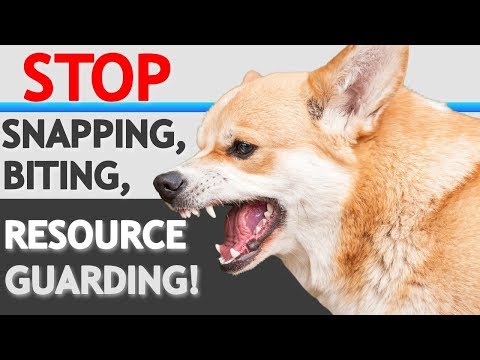
Food aggression in Beagles can be concerning, but knowing how to identify it and its causes can help you manage this behavior effectively. Beagles can display signs of aggression over food due to various reasons, and understanding these factors is crucial for creating a peaceful environment.
Identifying Signs of Food Aggression
You might notice several signs that indicate your Beagle is experiencing food aggression. Common behaviors include:
- Growling when someone approaches their food bowl.
- Barking loudly to scare others away.
- Showing teeth or a stiff body posture.
- Snapping or biting when feeling threatened.
These signs are forms of resource guarding. Your Beagle is trying to protect their food. It’s essential to observe these behaviors to address them early.
Common Causes Behind the Behavior
Food aggression in Beagles often stems from a mix of factors. Here are some notable causes:
- Hunting instincts: Beagles are scent hounds bred for hunting. They may exhibit protective behavior over food as if it were a hunted resource.
- Fear: Some dogs respond aggressively out of fear of losing their food or being harmed.
- Previous experiences: If a Beagle was starved or had to fight for food in the past, they may develop aggressive behaviors.
Understanding these roots can help you modify your Beagle’s behavior effectively.
The Influence of Beagle Temperament and Breeding
Beagles are friendly and sociable, but their temperament can vary. Their innate hunting instincts can lead to aggression in certain situations.
- Dominance: Some Beagles may try to assert dominance while eating.
- Temperament: If your Beagle is anxious or nervous, it might show more pronounced aggressive behaviors around food.
Breeding also plays a role in shaping temperament. Understanding these influences can guide you in using appropriate behavior modification techniques. Socialization and consistent training are key in reducing aggression.
Preventing and Managing Food Aggression

Managing food aggression in Beagles requires a combination of training, proper feeding routines, and understanding the role of neutering. Key strategies include socialization techniques and creating a safe environment during meal times.
Essential Training and Socialization Techniques
Training your Beagle with positive reinforcement is crucial for preventing food aggression. Start by teaching basic commands like “sit,” “stay,” and “leave it.” Use treats to reward good behavior, as this builds trust and makes meal times more predictable.
Socialization is equally important. Expose your Beagle to different people, pets, and environments early on. This helps reduce territorial behavior around food.
Desensitization to sharing food or being around others when eating can also minimize aggressive reactions. Gradual exposure will encourage calm behavior in various situations.
Feeding Routines and Environmental Management
Establishing a consistent feeding routine can greatly help in managing food aggression. Feed your Beagle at the same times each day, and always in the same location. This predictability reduces anxiety and fosters a sense of security.
Using specific management strategies can also prevent aggressive behavior. For instance, ensure your dog eats in a quiet, distraction-free area. You can use a crate or a separate room to create a safe space during meals. This way, your Beagle feels secure and is less likely to guard their food aggressively.
The Role of Neutering in Aggression Prevention
Neutering your Beagle can play a significant role in reducing food aggression. Unneutered males may display more dominant or territorial behavior, especially around food.
By neutering, you reduce the drive to assert dominance, making your dog calmer and more manageable.
It’s important to consult with your vet about the best timing for neutering. This may vary depending on your dog’s age and temperament. Along with proper training and socialization, neutering can greatly improve your Beagle’s behavior around food, leading to a happier and more relaxed pet.
When to Seek Professional Help

It can be challenging to manage food aggression in your beagle. Knowing when to ask for help is crucial for ensuring safety and effective behavior modification. Here are key factors to consider.
Identifying the Need for Expert Intervention
You might notice signs of aggression during feeding time, such as growling, snarling, or snapping. If your beagle displays aggression towards humans or other pets while eating, it’s vital to act.
If your training methods aren’t working, it may be time to seek professional help. A veterinary behaviorist or a certified dog behaviorist can identify underlying issues. They can offer tailored strategies to manage food aggression effectively.
Being proactive is essential. Don’t wait for the behavior to escalate. Recognizing these signs early can prevent more severe problems and ensure a harmonious home for everyone.
Consulting a Veterinary Behaviorist or Dog Behaviorist
A veterinary behaviorist can provide you with expert advice specific to your beagle’s needs. They can assess the situation and rule out any medical issues contributing to the aggression.
You may also consider a certified dog behaviorist. They specialize in behavior modification techniques that can help reduce aggressive tendencies. They use positive reinforcement strategies to create a safer environment for you and your pet.
Both professionals can work with you to develop a training plan. They can show you how to reinforce good behavior while managing food aggression. This guidance is invaluable to help strengthen your relationship with your beagle.


