
When you pet your beagle, you might notice her whining or making other noises. This behavior often means she is seeking attention or wants more affection from you. Understanding why your beagle reacts this way can help strengthen your bond and improve her behavior.
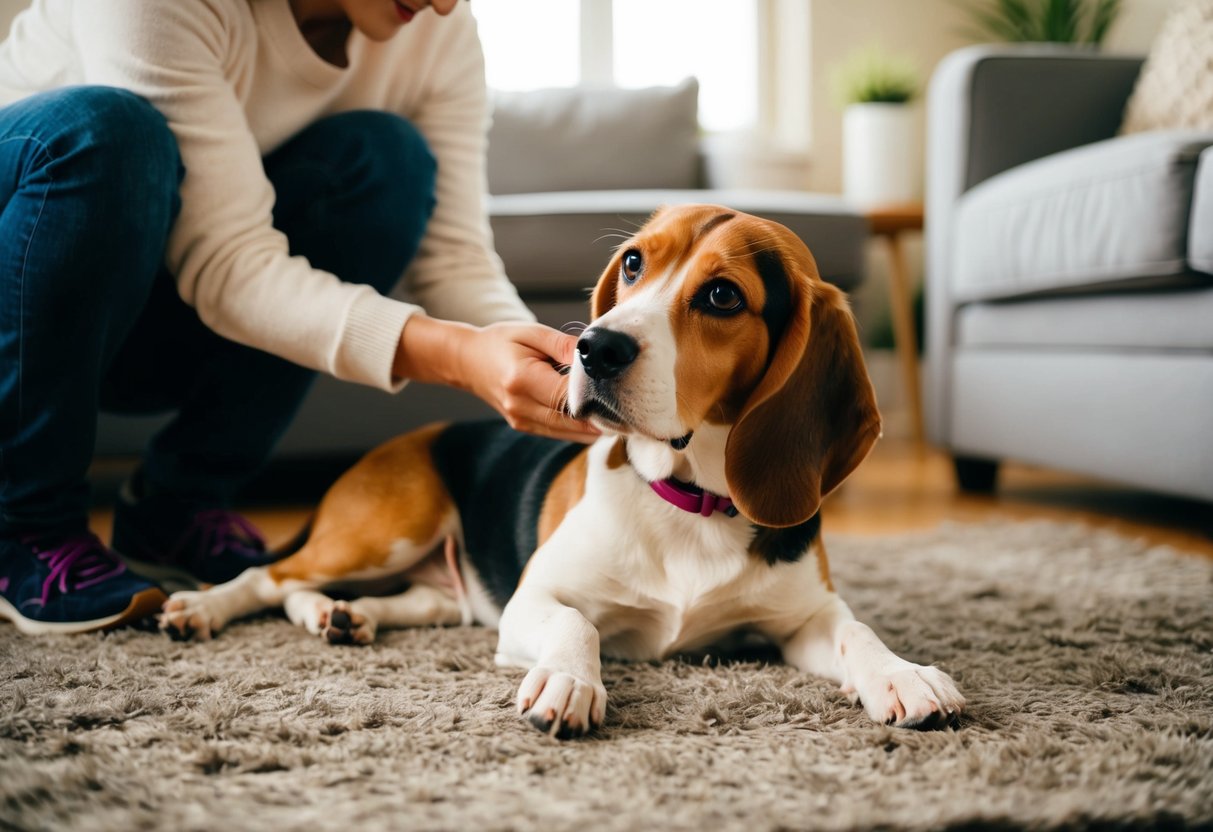
Beagles are social dogs that thrive on interaction. If she whines when you pet her, it could be her way of expressing excitement or a need for more engagement. She may simply be asking for you to keep petting her or to play a little longer.
Paying attention to her body language can also provide clues. If she seems relaxed and affectionate while whining, she’s likely enjoying the moment. Learning to interpret these signals will help you respond to her needs better, making your time together even more enjoyable.
Understanding Beagle Whining

Beagle whining can be a way for your dog to express feelings or needs. Recognizing this behavior is important to meet her needs and build a stronger bond. Here are some key aspects to understand her communication through whining and the reasons behind it.
Communication Through Whining
Whining is a common way for dogs to communicate. Your Beagle may whine when she wants something or feels uncertain. This vocalization often signals various emotions, including excitement, discomfort, or pain.
Beagles are known for their expressive body language. Look for signs like ears back, tail down, or pacing. These signals can tell you more about how she feels.
When you pet her and she starts whining, it might mean she’s seeking more attention or affection. Understanding what she’s trying to say helps you respond in a way that makes her feel more secure.
Common Causes of Whining
Several factors can trigger whining in Beagles. One major reason is discomfort or pain. If she’s hurt or unwell, whining could be her way of asking for help.
Separation anxiety is another common issue. Beagles are social animals and may whine when left alone. This can stem from feeling insecure without you nearby.
Seeking attention is also a big reason for whining. Your Beagle might want you to play or cuddle. If she notices that whining gets your attention, she may do it more often.
Behavioral Aspects
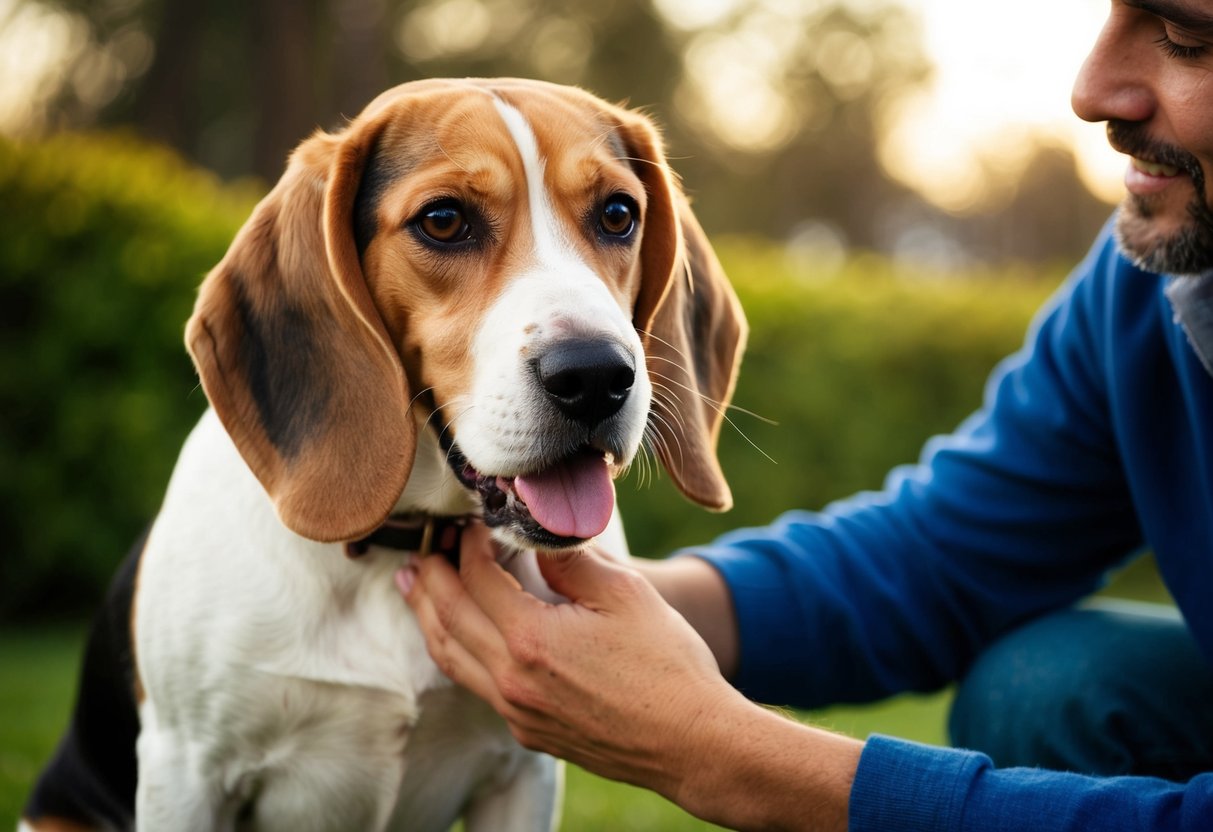
Understanding your Beagle’s whining when you pet her can be key to improving her comfort and happiness. Factors like stress, anxiety, and the need for mental engagement play an essential role in this behavior.
Identifying Stress and Anxiety
Your Beagle may whine while you pet her if she’s feeling stressed or anxious. Common signs include:
- Pacing: She might move around a lot.
- Ear Position: Ears back can show submission or stress.
- Tail Position: A tucked tail often indicates fear.
Separation anxiety can amplify these reactions. If she whines when you leave, it may suggest a deeper fear of abandonment. Provide a calm environment, and try to reassure her with gentle touches. Using positive reinforcement can help. Reward her with treats or praise when she remains calm during petting.
Importance of Mental Stimulation
Beagles are intelligent dogs that need mental stimulation to stay happy. Lack of engagement can lead to boredom, causing undesirable behaviors like whining. Activities to consider include:
- Puzzle Toys: These can keep her mind active.
- Training Sessions: Teach new tricks or commands.
- Interactive Play: Engaging games strengthen your bond.
Creating an enriching environment can help meet your Beagle’s needs. Pay attention to how she reacts to different activities, and adjust accordingly. With patience, you’ll notice a positive change in her behavior.
Training and Management

Managing your Beagle’s whining when you pet her involves using the right training techniques and crate training strategies. This can help create a calm environment and reinforce positive behavior.
Positive Reinforcement Techniques
Using positive reinforcement is a great way to train your Beagle. This means rewarding her for good behavior, like staying calm while being petted. You can use treats, praise, or interactive toys to encourage her.
When you notice her whining, wait for a quiet moment and then reward her. This teaches her that being quiet gets her the attention she seeks. Avoid scolding, as this can lead to barking or even biting. Instead, only reward her when she is calm and quiet. Over time, she will learn that whining doesn’t work and being calm does.
Crate Training Essentials
Crate training can help manage your Beagle’s behavior. It provides a safe space where she can relax. Choose a crate that is cozy but not too small, so she feels comfortable inside.
Introduce the crate gradually. Use treats or her favorite toys to encourage her to enter. Make it a positive experience, not a punishment. You can also place the crate in a quiet area away from distractions.
When she whines in the crate, avoid letting her out right away. Wait until she stops, then reward her to reinforce silence. This will help her understand that being quiet is the desired behavior.
Addressing Underlying Issues

When your Beagle whines during petting, it may signal deeper issues. Understanding when to seek veterinary help and knowing how to rule out medical conditions can make a big difference in your dog’s comfort and happiness.
When to Consult a Veterinarian
If your Beagle’s whining becomes persistent, it’s time to consider a visit to the vet. Sudden and excessive whining can indicate discomfort or pain, so pay close attention to changes in their behavior.
Look for signs of distress, such as limping, swelling, or unusual responses when touched. It’s crucial to act quickly if you notice these behaviors. Early veterinary care can help identify medical conditions that might be causing the whining.
Don’t wait until the situation worsens. Consult your veterinarian to rule out any serious health issues.
Rule Out Medical Conditions
First, examine if any medical conditions may be at play when addressing your Beagle’s whining. Common issues that can lead to discomfort include dental problems, joint pain, or injuries.
If your Beagle is crying while being petted, check for physical signs of pain. Look for swelling or unusual reactions when you touch certain areas. If these signs are present, take your Beagle to the vet.
Make sure to mention your observations to your vet. They can perform a thorough examination and recommend appropriate treatments. Getting to the root of any medical condition will help ensure the well-being of your beloved Beagle.


