
When you picture animals with feathers, wings, and beaks, the word that probably pops up is just “birds.”
We call these animals birds—a word everyone uses for the class known for flying, chirping, and nesting. This simple term covers thousands of species, from tiny hummingbirds to massive eagles.
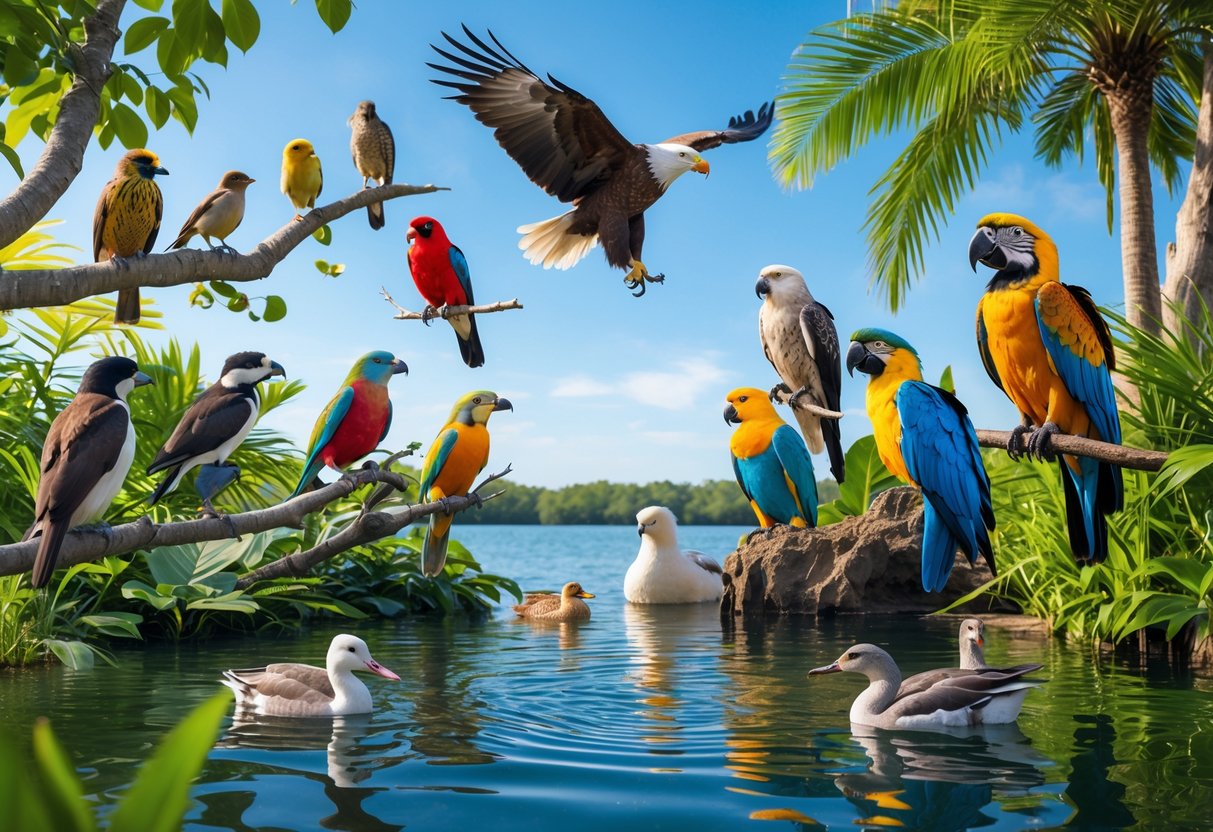
Scientists place birds in a group called Aves, but honestly, most people just stick with “birds.” Whether you spot a robin outside or hear sparrows in the park, you’re seeing birds—plain and simple.
It’s kind of neat how this word has stuck around for centuries. It means exactly what you think, and it helps you connect with nature in a straightforward way.
If you’ve ever wondered what birds really are or why we call them that, you’re not alone.
Let’s dig into how this word fits all feathered creatures, no matter their size or color. You’ll also pick up a few interesting facts about how birds get grouped and why this basic name has lasted so long.
General and Scientific Names for Birds

Birds have both everyday names and scientific names.
These names come from different systems that help us organize, identify, and study birds all over the world.
Common Name Origins and Usage
People usually pick common names for birds based on how they look, sound, or act.
For example, the “red-winged blackbird” gets its name from the red patches on its wings.
These names often change between regions and languages. The same bird might have a totally different name in another country.
Common names make it easy to talk about birds in daily life or while birdwatching.
But since they can overlap or change, they’re not always clear for science or global conversations.
Scientific Classification: Aves and Avialae
The scientific name for the whole class of birds is Aves. That word comes from Latin and just means “birds.”
Aves includes all living birds, or neornithes—the modern species you see today.
There’s another group called Avialae. It covers all birds and their closest dinosaur relatives, including ancient and extinct ones.
Scientists use this to study how birds evolved and changed over millions of years.
Understanding Aves and Avialae helps you see where birds fit in the bigger animal world.
Binomial Nomenclature and Naming Standards
Scientists use a two-part system called binomial nomenclature to name birds. Carl Linnaeus came up with this system.
Each bird species gets two names: the genus (which groups similar birds) and the species epithet (which might describe color, behavior, or where you find it).
For example, the common crow’s scientific name is Corvus brachyrhynchos. The genus, Corvus, groups crows and ravens. Brachyrhynchos means “short-beaked.”
Both parts get italicized or underlined. The genus name starts with a capital letter, and the species name stays lowercase.
This system lets people identify and talk about birds anywhere in the world without confusion. You can find more details and examples at birdsinthetree.com.
Major Bird Types and Notable Species
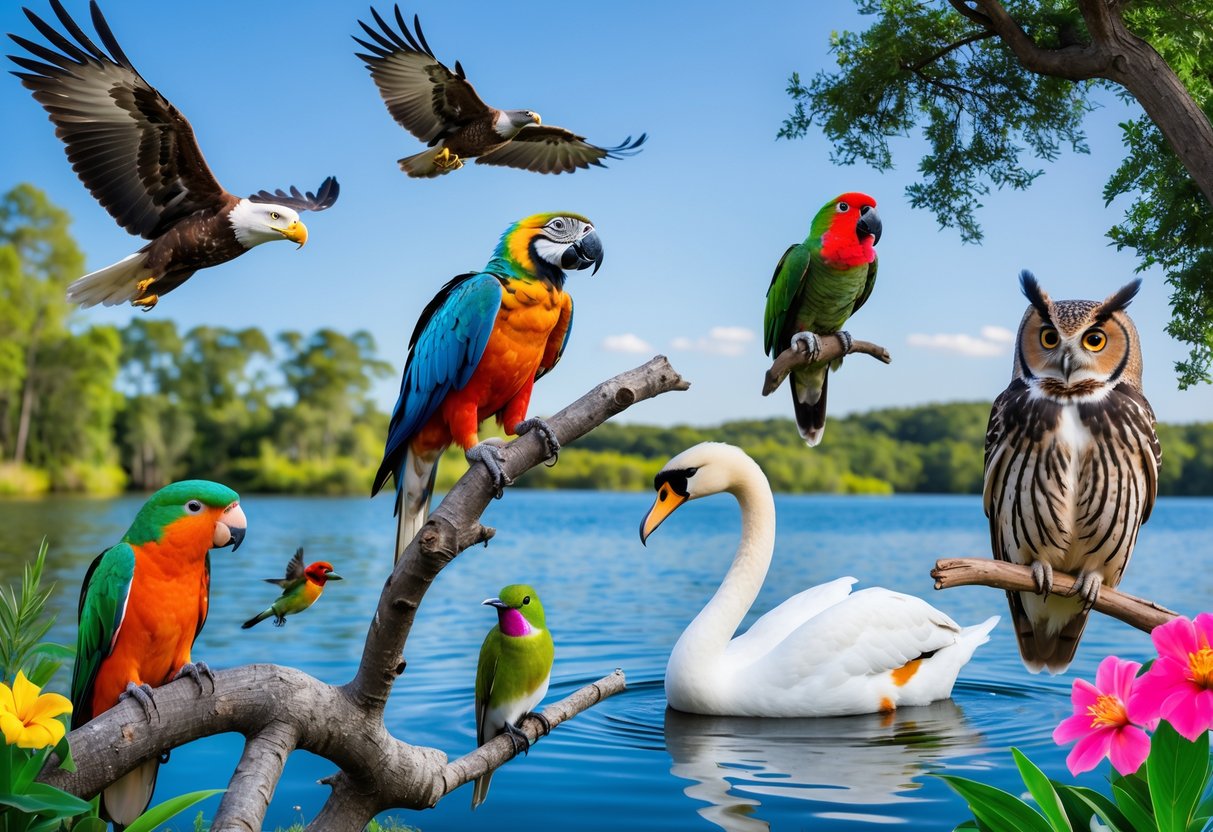
Birds come in all sorts of shapes and sizes.
Groups of birds differ by what they eat, how they live, and what they look like.
Learning about these differences helps you spot the variety of birds you see or read about.
Orders and Groups: Passeriformes, Psittaciformes, and More
Most birds you see day-to-day belong to the order Passeriformes. People call these perching birds or songbirds.
This is the biggest group. It includes sparrows, robins, finches, and wrens.
These birds usually have strong feet for perching. Many of them sing beautiful songs.
Another famous group is Psittaciformes—parrots and cockatoos.
They have strong, curved beaks and are well-known for bright colors and mimicking sounds.
Other important groups:
- Galliformes: Gamebirds like quail, pheasants, and peacocks. They mostly live on the ground.
- Anseriformes: Waterfowl such as ducks, geese, and swans. They’re built for swimming.
- Struthioniformes: Large flightless birds like ostriches.
- Falconiformes: Birds of prey—falcons, hawks, eagles, and vultures. They’ve got sharp talons and great eyesight.
Common and Notable Bird Species
Some birds stand out because they live near people or show up in lots of different places.
The American robin and the house sparrow are classic backyard birds. Robins have bright red chests, and sparrows are small and always busy.
Among birds of prey, the bald eagle is famous in North America and stands for strength.
Owls are known for their silent flight and nighttime hunting.
Seabirds like gulls, terns, and albatrosses often live by the ocean and have wings built for long flights.
Penguins are a bit of an oddball—they can’t fly, but they swim like champs.
Parrots such as the macaw catch your eye with their colors and social habits.
You might even hear a nightingale singing, and honestly, their songs are just stunning.
Physical Features: Feathers, Beaks, and Wings
Birds sport feathers that keep them warm and make flight possible. You’ll find different types—contour feathers shape their bodies and help them fly, while down feathers trap warmth.
Beaks come in all shapes and sizes, depending on a bird’s diet. Take hawks and eagles—they use sharp, hooked beaks to tear meat. Finches crack seeds with their stout beaks. Hummingbirds? They’ve got those long, thin beaks that dip right into flowers for nectar.
Wings aren’t all the same, either. Swallows and falcons zip around with pointed wings built for speed. Ducks and other waterfowl rely on strong wings to lift off from the water. And then there are ostriches—flightless, but they put those wings to use for balance while running, thanks to their powerful legs.
If you’re curious about bird groups and what sets each one apart, you might want to check out this guide to the 5 main types of birds.


