
Getting stung by a bee stings—literally. The pain and annoyance show up fast, but you don’t have to just sit there and suffer.
If you want the fastest way to cure a bee sting, yank out the stinger right away, slap on some ice to keep swelling down, and grab an over-the-counter remedy to soothe the pain and itching. Moving quickly keeps the venom from spreading and calms your skin sooner.
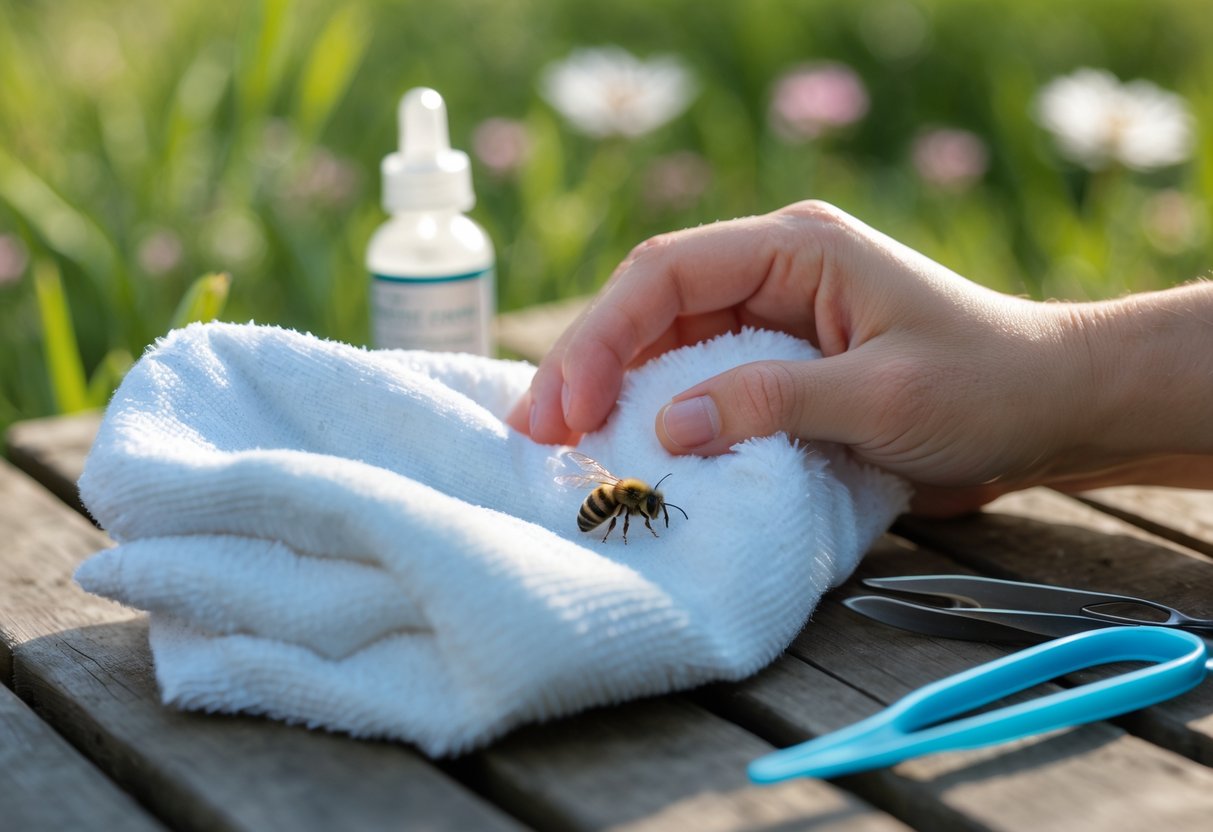
You probably want to know what else can help relieve the sting quickly and what to watch for if you have an allergic reaction.
There are simple home remedies and tips you can try to feel better without too much hassle.
Let’s dig into the best ways to deal with a bee sting so you can get back to your day.
Immediate Steps for Fast Bee Sting Relief

If you act fast after a bee sting, you can cut down on pain and swelling.
Get that stinger out, clean your skin, and cool the area as soon as you can.
Watch for any signs that mean you need urgent care.
Remove the Stinger Quickly
The very first thing? Get the stinger out as soon as you spot it.
Leaving it in just lets more venom leak into your body, which nobody wants.
Use a credit card or your fingernail to scrape it out gently.
Try not to grab tweezers—squeezing the stinger can push more venom in.
Don’t pinch the stinger with your fingers.
Once you get it out, you lower the chances of extra pain and swelling.
Removing the stinger quickly really does make a difference.
Clean and Soothe the Sting Area
After you remove the stinger, wash the spot with soap and water.
This step helps avoid infection.
Apply a soothing cream or lotion, like calamine or hydrocortisone, to calm itching and redness.
You can also mix up a simple baking soda and water paste and dab it on.
That can help neutralize the venom a bit.
Gently pat the area dry after cleaning.
Try not to scratch or rub the sting, since that can lead to irritation.
Use Ice or Cold Compress
Grab some ice or a cold pack and wrap it in a cloth.
Hold it against the sting for 10 to 15 minutes.
Take a short break, then do it again if you need to.
Cold slows blood flow and helps with swelling.
Never put ice right on your bare skin—frostbite is not fun.
Using ice quickly after the sting keeps your skin calmer and less itchy.
Monitor for Allergic Reaction
Some folks react pretty badly to bee stings—think anaphylaxis.
Watch for hives, swelling in your face or throat, trouble breathing, or trouble swallowing.
If you see these, get emergency help right away.
If you know you’ve had bad reactions before, use your EpiPen immediately and call 911.
Keep an eye out for weakness, dizziness, or a racing heart.
It’s always better to be safe than sorry when it comes to allergic reactions.
For more details on rapid steps to care for bee stings, see this guide on the fastest way to cure a bee sting.
Effective Remedies and Treatments for Bee Stings

When you get stung by a bee, you want to stop the pain, swelling, and itching as soon as possible.
You’ve got a few options, from basic pharmacy medicines to natural stuff you probably have at home.
Over-the-Counter Medications
Over-the-counter (OTC) meds can make a big difference.
Take ibuprofen or acetaminophen to help with pain and swelling.
These are good picks if the sting hurts a lot or your skin puffs up.
If you’re itchy or your skin feels irritated, put on hydrocortisone cream or calamine lotion.
Hydrocortisone calms inflammation, and calamine dries the area and cools the itch.
Always follow the instructions on the packaging.
If things get worse or you feel sick, stop using these and talk to a healthcare pro.
Natural and Home Remedies
Some home remedies work surprisingly well.
Rub a bit of aloe vera gel right on the sting to calm your skin and cut down on redness.
Aloe’s cooling and healing—what’s not to like?
You could also try witch hazel for swelling and irritation.
A cold compress is still a classic for pain and swelling right after the sting.
Scraping out the stinger quickly is important—use a fingernail or dull edge, but don’t squeeze it.
That just makes things worse.
Essential Oils and Topical Aids
A few essential oils might help too.
Tea tree oil has antiseptic properties and can help prevent infection if you use it carefully.
Lavender oil is another option—some people say it reduces pain and swelling.
Always dilute essential oils with a carrier like coconut oil before putting them on your skin.
Use a cotton swab and dab the mix on the sting.
If you have sensitive skin or get allergies from oils, test a tiny spot first.
If you notice more redness or itching, stop using it.
When to Seek Medical Help
Most bee stings heal up just fine at home. Still, sometimes you really do need a doctor.
If you see hives spreading, or you’re struggling to breathe, feeling dizzy, or your face and throat start swelling—don’t wait. Get emergency help right away.
Watch the sting site, too. When it gets really red, feels hot, or starts oozing pus, that’s a sign of infection. You might need antibiotics for that.
Pain and swelling that stick around for more than a few days? It’s probably time to check in with a healthcare provider.
If you already know you’re allergic to bee stings, keep an epinephrine injector with you if your doctor prescribed one. Use it immediately after a sting, then head straight to the hospital.
Curious about more tips for quick and safe bee sting care? Check out how to treat a bee sting at home.


