
A serious bee sting usually stands out from a typical one. You’ll probably notice a big, red, swollen patch that feels hot and hurts—sometimes the swelling spreads way past the sting.
It can itch, burn, and sometimes even blister. If you have trouble breathing, that’s a huge red flag.

If your body reacts badly, you might see your face, lips, or throat swell up. Dizziness or trouble swallowing can show up too.
These are signs you shouldn’t ignore—get medical help right away, since it could be a severe allergic reaction.
Spotting what a serious bee sting looks like helps you act quickly. Staying alert to these signs can be the difference between a quick recovery and something much worse.
For more details on symptoms and treatment, check out what a serious bee sting looks like.
How To Recognize a Serious Bee Sting
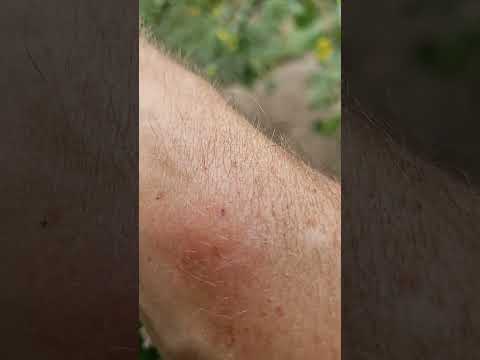
A serious bee sting isn’t always obvious at first. You’ve got to watch for things like swelling, changes in skin color, and how much it hurts.
Knowing these details makes it easier to decide if you need to see a doctor.
Key Visual Signs at the Sting Site
Right after a bee sting, check the skin around the spot. If you see redness spreading far past the sting, it could mean infection or an allergic reaction.
Some swelling is normal, but if it keeps growing or gets really hard, that’s a warning sign. The area might feel hot or even start to blister.
If pain sticks around for hours and doesn’t let up, your body might be reacting more than it should.
Distinct Features of Honey Bee Stings
Honey bees have a barbed stinger that usually gets stuck in your skin. The stinger keeps pumping venom in until you pull it out.
If you spot the stinger, get it out fast to cut down on the venom. Honey bee stings cause sharp pain right away, then swelling and redness.
A white or yellow dot in the middle usually marks where the stinger went in. Since honey bees leave their stinger, the reaction can be more intense than with other stings.
Differences Between Bee Stings and Wasp Stings
Wasp stings hit hard with pain but don’t leave a barbed stinger behind. Wasps can sting you more than once, so you might find a few sting marks.
Bee and wasp venom cause different problems. Bee stings usually lead to more swelling and take longer to heal because the stinger stays in you.
Wasp stings hurt more at first, but often swell less. If you don’t see a stinger, you’re probably dealing with a wasp, not a bee.
Knowing the difference helps you treat it right. For more info on spotting serious reactions, visit what a serious bee sting looks like.
Symptoms and Complications of Severe Bee Stings

Severe bee stings can do a lot more than just hurt or swell up. Your body might overreact to the venom, and that can lead to real trouble.
It’s good to know what to watch for and when to reach out for help.
Allergic Reactions and Anaphylaxis
If you’re allergic to bee stings, your body can go a bit wild. Itching, hives, and swelling that spreads far from the sting can show up.
You might feel dizzy, weak, or have trouble breathing. Anaphylaxis is the scariest reaction—it can make your throat swell and breathing tough.
Your heart might race, your chest could get tight, or you might feel faint. You need to get medical help right away if this happens.
If you have an epinephrine auto-injector, use it immediately and call for emergency services. Oral antihistamines can help mild reactions, but they won’t stop anaphylaxis.
Even if you’ve never had a bad reaction before, it can still happen out of the blue.
Infection Warning Signs
After a sting, a bit of redness and swelling is normal for a day or two. But if the area gets redder, starts oozing pus, feels warmer, or hurts more, you could have an infection.
Fever and swollen lymph nodes nearby are also warning signs. See a doctor if you notice these symptoms.
Infections need antibiotics to keep things from getting worse. Keep the sting site clean, and try not to scratch.
If you get stung by a honey bee, pull out the stinger as soon as you can to keep the venom from spreading.
Treatment for Moderate and Severe Reactions
For a mild or moderate reaction, just wash the area with soap and water. Ice works well to bring down swelling.
You can take oral antihistamines or try hydrocortisone cream if itching or redness bothers you. Those usually help pretty quickly.
If you start having trouble breathing or notice swelling spreading all over, get medical help right away. Doctors usually give epinephrine and other meds to get symptoms under control.
Getting stung by multiple bees means you’ve got more venom in your system, which can make things worse. Keep an eye on yourself, and don’t hesitate to head to the ER if things feel off.
If you have allergies—or even if you’re just unsure—it’s smart to check in with your healthcare provider after a sting.
You can find more details about severe bee sting symptoms and treatment at the Cleveland Clinic.


