
Ever spot a bumblebee and wonder if you’re looking at the queen? Honestly, it’s not that hard to tell. Queen bumblebees are bigger, rounder, and just look fuzzier compared to the workers and drones buzzing around.
You’ll usually catch her near a nest or poking around for a new spot to start her own colony, especially when spring rolls in.

If you know how to spot a queen, you’ll get a better feel for how bumblebee colonies work. The queen’s the mom of the whole crew—she keeps things running and the hive thriving.
Keep your eyes peeled, and you might get lucky and see one of nature’s busiest little leaders.
How to Identify a Queen Bumblebee
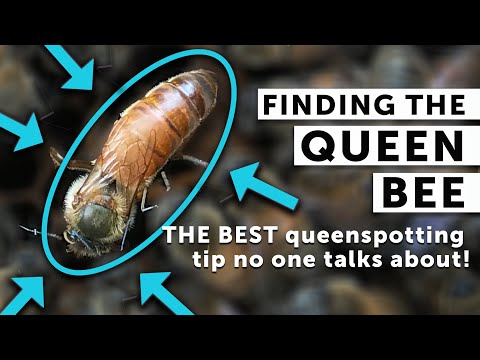
Spotting a queen bumblebee isn’t rocket science. Just look at her size, her colors, and how she acts compared to the others.
Queens are usually larger, and their color patterns can be a bit different depending on the species. Their behavior stands out too, especially in spring.
Size and Physical Differences
Queen bumblebees are the giants of their colony. Some reach up to 18 millimeters long, while workers and males only get to about 14 or 15 millimeters.
That size difference makes them easier to spot, even from a little distance.
They have thicker thoraxes and abdomens—just a more robust build overall. Their wings might even look a bit small compared to their big bodies.
This extra size helps queens carry more eggs and start new colonies.
Don’t rely on size alone, though. Pair it with other features for a better guess.
Sometimes you’ll notice the queen moving slower or acting less frantic than the workers. She needs to save her energy for laying all those eggs.
Color Patterns in Common Species
Each bumblebee species gives its queen a unique look. For example:
- The red-tailed bumblebee (Bombus lapidarius) queen rocks a black body with a bright red tail.
- The common carder bee (Bombus pascuorum) queen is mostly ginger, sometimes with brown or orange mixed in.
- The tree bumblebee queen stands out with her black head, ginger thorax, black abdomen, and a white tail.
These markings help you pick out the queen from workers or males, who often have duller colors or different patterns.
Watch out for cuckoo bumblebees, though. They mimic other bumblebees but don’t build nests or have worker bees, so their females can be confusing to identify.
Unique Behaviors of Queen Bumblebees
Queen bumblebees act differently, especially when they first show up after hibernation in spring.
You’ll often see a queen flying solo, searching for a place to nest or grabbing nectar and pollen from flowers.
Unlike the workers or males, queens don’t spend all day outside the nest. Early in the season, you’ll spot them flying slow or just resting, getting ready to kick off a new colony.
Later in the year, queens seem less active because the workers handle most of the foraging.
If you see a big, slow-moving bee feeding or flying with a clear purpose, there’s a good chance it’s a queen.
If you want more details, check out this handy guide on how to identify a queen bumblebee.
Queen Bumblebee Life Cycle and Role in the Colony

The queen bumblebee kicks off and grows her colony from scratch. She goes through a few big stages, starting with waking up in early spring and ending with laying different types of eggs.
She teams up with worker bees and uses chemical signals to keep the nest under control.
Early Spring Emergence and Nest Hunting
When early spring hits, the queen bumblebee wakes up from her long winter nap. She’s been underground, living off her stored energy.
Once she wakes, she starts searching for a safe nesting spot—maybe in tall grass, under a log, or in an old rodent burrow.
After she picks a spot, she collects nectar and pollen to refuel and prep for laying her first eggs.
At this point, she works alone, setting up the foundation for her future colony.
Egg Laying: Fertilized vs. Unfertilized Eggs
The queen decides what kind of eggs she’ll lay. After mating in the fall or early spring, she stores sperm inside her body.
She can choose to lay fertilized or unfertilized eggs.
- Fertilized eggs become female bumblebees—mostly workers.
- Unfertilized eggs turn into males, called drones.
She starts by laying fertilized eggs to make worker bees. The workers help feed the young and defend the nest.
Later, when the colony’s strong, the queen lays more male and new queen eggs. This keeps the bumblebee cycle rolling year after year.
Distinguishing Queens from Worker and Male Bumblebees
You can spot a queen bumblebee if you know what to look for.
Here’s a quick comparison:
| Feature | Queen Bumblebee | Worker Bumblebee | Male Bumblebee |
|---|---|---|---|
| Size | Largest in the colony | Smaller than queen | Usually similar or smaller than queen |
| Body shape | Rounder and thicker | Slimmer | Often slimmer, with longer antennae |
| Behavior | Alone in early nest setup | Busy gathering food, caring for young | Roaming to mate, not working |
| Pheromones | Produces pheromones to control colony | Less pheromone production | May have different scent for mating |
The queen usually kicks things off and focuses on laying eggs.
Worker bees, all female, take care of everything else—gathering food, raising the young, you name it.
Male bumblebees just want to mate with new queens and don’t really help with nest chores.
If you spot a big bumblebee buzzing alone in early spring, chances are, you’ve found a queen starting her new colony.
Curious about how the queen keeps the whole operation running? There’s a lot more on how her role shapes the bumblebee colony each year.


