
Spending time outdoors puts you near bees, and honestly, nobody enjoys getting stung. The good news? You can lower your chances by staying calm, moving slowly, and wearing clothes that cover your skin.
If you want to stop a bee from stinging you, avoid sudden movements and give the bee space so it doesn’t feel threatened.
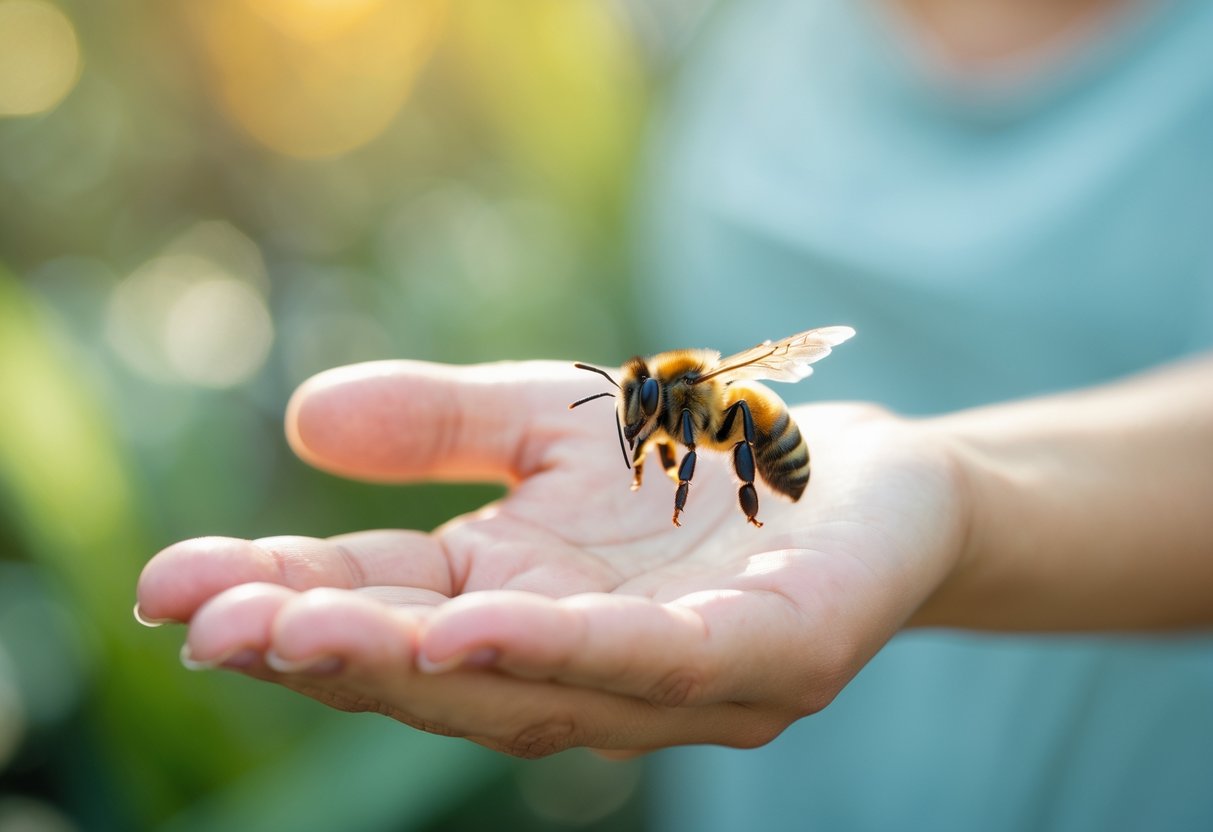
Knowing how to act around bees can really make being outside more enjoyable. If you stay relaxed and a bit cautious, you’re much less likely to get stung.
Simple steps help you keep bees at a distance without bothering them.
This guide will walk you through easy tips for staying safe and what to do if a bee gets too close. Understanding how bees behave is key to avoiding stings and feeling comfortable outside.
Immediate Steps to Prevent a Bee From Stinging You

If you want to avoid bee stings, it helps to know what sets bees off and what you can do to protect yourself. What you wear and how you act matters a lot.
Understanding Bee Behavior and Triggers
Bees usually sting only when they feel threatened. Loud noises, quick movements, or swatting at them can make them aggressive.
You’ll find bees more active near flowers and in sunny spots. They tend to avoid shaded, cooler areas, so hanging out in the shade can help.
Skip strong perfumes or scented lotions—sweet smells attract bees.
If a bee lands on you, stay still or gently brush it away. Sudden moves can make it sting.
Bees defend their hive with their sting, so staying calm makes getting hurt less likely.
Personal Protection and Clothing Choices
Pick the right clothes to keep bees away. Light colors like white, tan, or pastels work best because bees like dark or bright colors.
Cover up with long sleeves and pants if you’re outside. Closed shoes protect your feet better than sandals.
Avoid floral prints and rough textures—bees might find those interesting. Keep food and drinks covered, since sweet stuff draws bees in.
How to Stay Calm Around Bees
How you react really matters. If you spot a bee, try not to panic or wave your arms.
Breathe slowly and move away gently. If a bee lands on you, just stay calm and let it leave on its own.
Swatting or quick moves make bees nervous and more likely to sting.
Staying calm protects you and the bee. It lowers the chance of stings and lets you enjoy being outside without stressing.
For more ways to avoid bee stings, check out How to Stop a Bee from Stinging You.
What To Do If You Have Been Stung

If a bee stings you, acting quickly and carefully can ease the pain and help with swelling. Knowing how to get the stinger out, care for your skin, treat symptoms, and spot allergic reactions helps you handle it safely.
Removing the Stinger Safely
As soon as you notice a bee sting, check for the stinger in your skin. The stinger keeps releasing venom, so you should remove it quickly to reduce pain and swelling.
Use something flat and blunt, like a credit card or your fingernail, to gently scrape the stinger out. Don’t squeeze it with tweezers or your fingers—pressing it can push more venom in.
After you remove the stinger, wash the area with soap and water to clean it and prevent infection.
Caring for the Sting and Surrounding Skin
When the stinger is gone, calm the area down. Apply a cold pack or ice wrapped in a cloth for about 10 to 15 minutes to help with swelling and pain.
Keep the skin clean and try not to scratch it. Calamine lotion or a baking soda paste (just mix baking soda with water) can soothe itching.
If you got stung on your arm or leg, keeping it elevated can help slow swelling.
Treating Bee Sting Symptoms and Home Remedies
Most bee stings cause pain, redness, and swelling that stick around for a few hours or maybe a couple of days. Over-the-counter pain relievers like ibuprofen help with the discomfort.
A baking soda paste or calamine lotion can reduce itching. Antihistamine creams or oral antihistamines might help with mild allergic reactions.
If pain or swelling gets worse after 48 hours, or you see signs of infection like more redness, warmth, or pus, talk to a doctor.
Recognizing and Handling Allergic Reactions
Some people react badly to bee stings, and those allergies can get serious fast. Look out for signs like trouble breathing, swelling in your face or throat, feeling dizzy, or your heart suddenly racing.
If you notice any of these, don’t wait—get emergency help right away. Grab your epipen if you have one and call for help as soon as you can.
Not totally sure what’s happening? If you feel weak, confused, or hives pop up somewhere other than the sting, it’s better to get checked out. It’s always safer to let a doctor make the call.


