
Getting stung by a bee hurts and, honestly, it can freak you out a bit. What you do right after the sting really matters.
A lot of people make mistakes that just make things worse. Whatever you do, don’t squeeze or pinch the stinger—doing that just pumps more venom into your skin.
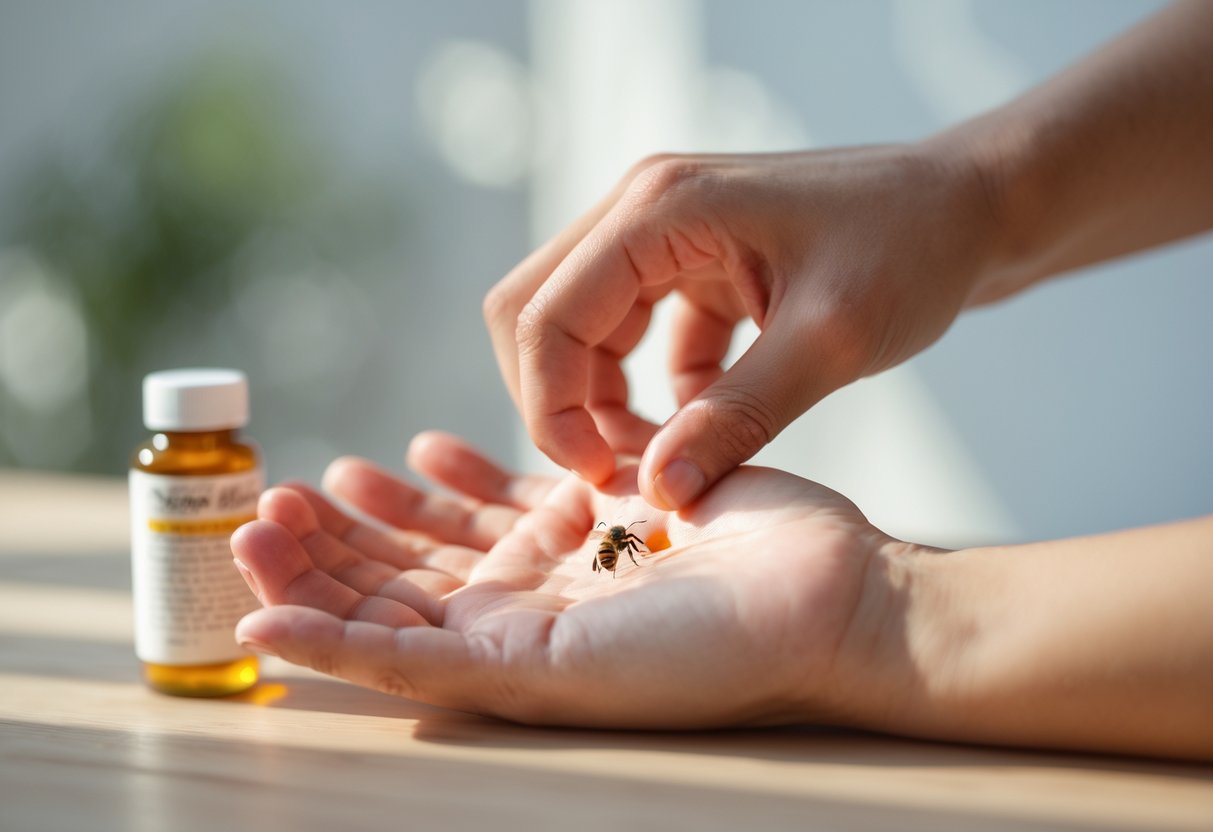
Try not to scratch or rub the sting, even if it’s driving you nuts. Scratching just irritates your skin more and can cause an infection.
Knowing what to avoid can help you heal faster and feel a bit less miserable.
Crucial Mistakes to Avoid After a Bee Sting

What you do right after a bee sting can totally change how much pain you feel and how quickly you bounce back. Avoiding some classic errors can really help keep swelling and infection down.
Delaying Removal of the Stinger
If you leave the stinger in your skin, it keeps pumping venom. The longer it stays, the worse it gets.
Try to get the stinger out as soon as you can. Use something flat, like a credit card, and scrape it off gently.
Don’t pinch or squeeze it—seriously, that just pushes more venom in. Getting the stinger out quickly is one of the best ways to feel better.
Scratching or Rubbing the Sting Site
Scratching the sting? Tempting, but not a great idea. Scratching just makes your skin angrier and can spread the venom.
Rubbing the spot isn’t any better. You could introduce bacteria and set yourself up for an infection.
Instead, wash the area with soap and water. A cold pack can help with the swelling and itch.
Ignoring Signs of an Allergic Reaction
Most stings just hurt and swell a bit, but some people react badly. Anaphylaxis is nothing to mess around with.
Look out for trouble breathing, swelling in your face or throat, dizziness, or a racing heartbeat. If you spot any of those, call for help right away.
An epinephrine injector can literally save your life, so act fast.
Using Unapproved Home Remedies
There are tons of home remedies floating around—like toothpaste or vinegar. Some might give a little relief, but most don’t have any proof and could make things worse.
Stick with what’s known to work: wash with soap and water, use ice, maybe try some hydrocortisone cream. Don’t put weird stuff on your skin or squeeze the sting.
If you want more tips, check out What Not To Do After A Bee Sting.
How Not to Respond to Severe Reactions and Allergies

If you know you’re allergic to bee stings, the wrong move can make everything worse. It’s scary, but knowing what not to do can really help if things get serious.
Failing to Use an Epipen During Anaphylaxis
If you start having trouble breathing, your face or throat swells, or your heart races, don’t wait to use your epipen. Epinephrine is the only thing that can turn things around fast.
Waiting just makes it riskier. Use your epipen right away if you have one.
Even if you start to feel better, you still need to get emergency medical help. The epipen is a lifesaver, but it’s not the end of the story.
Keep your epipen somewhere easy to grab, and check the expiration date now and then. If you don’t have one but know you need it, talk to your doctor as soon as possible.
Skipping Medical Help for Severe Symptoms
Don’t try to tough out severe reactions like trouble breathing, swelling in your mouth or throat, dizziness, or fainting. You need immediate medical attention for those.
Call 911 or get to the ER after you use your epipen. Sometimes you’ll need more than just the shot—maybe oxygen or more meds.
If you notice the swelling spreading quickly or you can’t swallow, don’t wait it out. Your body’s telling you it needs real help, now.
Misusing Over-the-Counter Treatments
You might reach for ibuprofen, hydrocortisone cream, or diphenhydramine (Benadryl) to ease mild symptoms. These can help a bit, but honestly, they shouldn’t replace emergency care if you’re facing a serious allergic reaction.
Take Benadryl, for example. It can take the edge off itching or swelling, sure, but it just won’t stop anaphylaxis.
If your skin feels irritated, hydrocortisone cream might give you some relief. However, it won’t do anything for swelling deep in your airways.
Don’t use ibuprofen right after a sting unless your doctor says it’s okay. Ibuprofen won’t halt an allergic reaction, and sometimes it brings its own side effects or messes with other meds.
Trust your health provider’s advice when it comes to allergies. If your symptoms start to get worse, don’t wait—get help right away.


