
If you’ve ever been stung by a bee, you know the pain and swelling can hit fast. The quickest way to deal with a bee sting? Pull out the stinger right away, slap on some ice, and grab an over-the-counter cream or pain reliever to take the edge off.
Jumping into action right away really does make a difference.

Maybe you’re curious about natural remedies or little tricks to speed up relief. Some home fixes can soothe your skin, but honestly, the main things are getting that stinger out and calming the inflammation.
Knowing what to do and when can totally change how you bounce back from a bee sting.
Fastest Immediate Treatments for a Bee Sting

If you act quickly after a bee sting, you can bring down pain, swelling, and those annoying symptoms. Start by removing the stinger fast, clean the area well, and use something cold to calm things down.
These steps keep more venom from spreading and help your skin hurt less.
How to Remove the Stinger Quickly
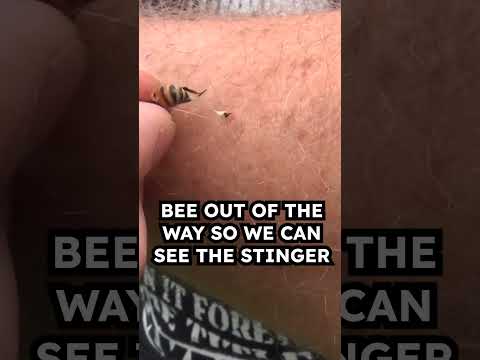
As soon as you spot the sting, check for the stinger—it usually looks like a tiny black dot. The quicker you get it out, the less venom can get in.
Take something with a flat edge, maybe a credit card or your fingernail, and gently scrape the stinger out. Don’t squeeze or use tweezers; that can just push more venom in. Try to flick it out in one smooth motion.
After you get the stinger out, wash your hands so you don’t spread germs. Getting the stinger out within a few minutes really helps lower pain and swelling.
Cleaning the Sting Site and Minimizing Venom
Once the stinger’s gone, wash the area with soap and warm water. This step lowers your risk of infection.
You can dab on some antiseptic or rubbing alcohol to kill any germs hanging around. It’s a simple way to keep bacteria out of broken skin.
Try not to scratch, even if it itches like crazy. Later, you can use an antihistamine or a cream to calm the itching and swelling.
If you see more redness, pus, fever, or swelling that spreads, it’s time to call a doctor.
Applying Ice for Rapid Swelling and Pain Relief
After you’ve cleaned up, put a cold pack or ice wrapped in a cloth on the sting. Hold it there for about 10 to 15 minutes.
The cold slows down blood flow, which helps shrink swelling and dull the pain. You can repeat the ice treatment every hour for a few hours if you need to.
Don’t put ice right on your skin—always wrap it up so you don’t get frostbite. This step is honestly one of the quickest ways to get some relief from bee sting pain and swelling.
For more details on quick treatments, see Fastest Way To Cure A Bee Sting.
Effective Remedies and When to Seek Emergency Help
If you treat a bee sting quickly, you can ease pain, swelling, and itching. The right creams or home remedies can calm your skin, and sometimes you’ll want a pain reliever.
It’s also really important to know when a sting gets serious and needs urgent care.
Topical Treatments and Home Remedies
Try calamine lotion or hydrocortisone cream to cut down on itching and redness. These can calm your skin and help it heal faster.
Natural stuff like aloe vera, witch hazel, tea tree oil, and lavender oil can soothe the sting if you use them carefully. Aloe vera cools things off, and witch hazel brings down swelling. Tea tree and lavender oil are mild antiseptics, so they might help stop infection.
Keep the area clean and do your best not to scratch. A cold compress or ice wrapped in cloth brings down pain and swelling, especially in those first few hours.
Medications for Pain, Swelling, and Itching
If pain or swelling is bugging you, grab an over-the-counter pain reliever like ibuprofen or acetaminophen. Ibuprofen also helps with swelling.
Antihistamines can help with itching and swelling too. They work well if your reaction is mild or moderate.
Always follow the directions on the package. If things get worse or just won’t get better, definitely see a doctor.
Signs of Severe Allergic Reaction and Anaphylaxis
Look out for serious symptoms like shortness of breath or swelling in your face or throat. If you feel dizzy, notice a rapid heartbeat, or start to feel faint, something’s probably wrong.
You might spot hives spreading fast across your skin or feel intense itching that just won’t quit.
If you know you have allergies, grab your epinephrine auto-injector (EpiPen) right away and call emergency services. Even if you start to feel a bit better after using your EpiPen, you still need to get medical care as soon as possible.
Got stung multiple times or just feeling really unwell after a sting? Don’t wait—get medical help immediately.


