
If you’ve ever spotted a raccoon or a raccoon dog, you might be curious about how these two animals differ. Though they share some similarities, they belong to different families and exhibit unique behaviors. The main differences between a raccoon and a raccoon dog include their family classification, size, and social behavior.
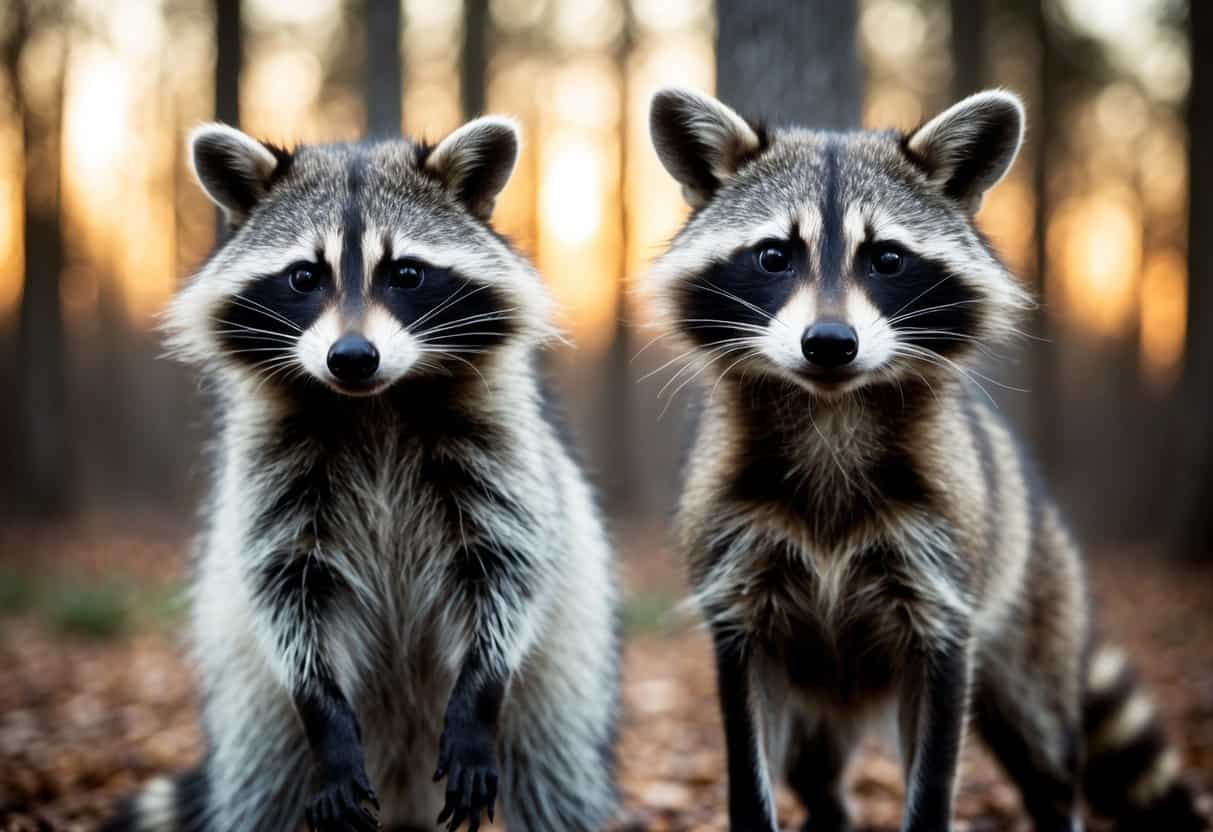
Raccoons are members of the Procyonidae family, while raccoon dogs belong to the Canidae family, which also includes dogs and foxes.
Size is another factor to consider; raccoons tend to be larger, weighing anywhere from 15 to 40 pounds, whereas raccoon dogs typically weigh between 8 and 27 pounds. Their social behaviors also vary, as raccoons prefer to live alone, while raccoon dogs often form small groups or pairs.
Understanding these differences can help you appreciate these animals when you see them in the wild. As you read further, you’ll learn more intriguing details about their habitats, diets, and behaviors.
Taxonomy and Scientific Classification
In this section, you’ll learn about the different families these animals belong to and their scientific names. Understanding taxonomy helps clarify how raccoons and raccoon dogs relate to each other and the broader animal kingdom.
Distinct Families: Canidae and Procyonidae
Raccoon dogs and raccoons belong to different families in the mammal classification system.
-
Raccoon dogs are part of the Canidae family, which also includes dogs, wolves, and foxes. This family is known for its members that typically have elongated snouts and strong senses of smell.
-
Raccoons, on the other hand, are members of the Procyonidae family. This family includes small to medium-sized mammals that often have distinctive features like facial markings and ringed tails.
These families highlight the significant differences between the two, from their physical traits to their behavioral patterns. Understanding this distinction is key to appreciating how these animals fit into their ecosystems.
Scientific Names: Nyctereutes Procyonoides and Procyon Lotor
Scientific names provide a way to uniquely identify species.
-
The raccoon dog is scientifically known as Nyctereutes procyonoides. This name reflects its unique traits, such as its dog-like appearance and nocturnal habits. Found mostly in East Asia, it is often confused with raccoons because of its similarity in appearance.
-
The common raccoon is called Procyon lotor. This name emphasizes its taxonomic placement within the Procyonidae family. Raccoons are widely found across North America and are famous for their intelligence and dexterous front paws.
These scientific classifications help you understand the relationships and differences within the animal kingdom.
Physical Characteristics and Appearance
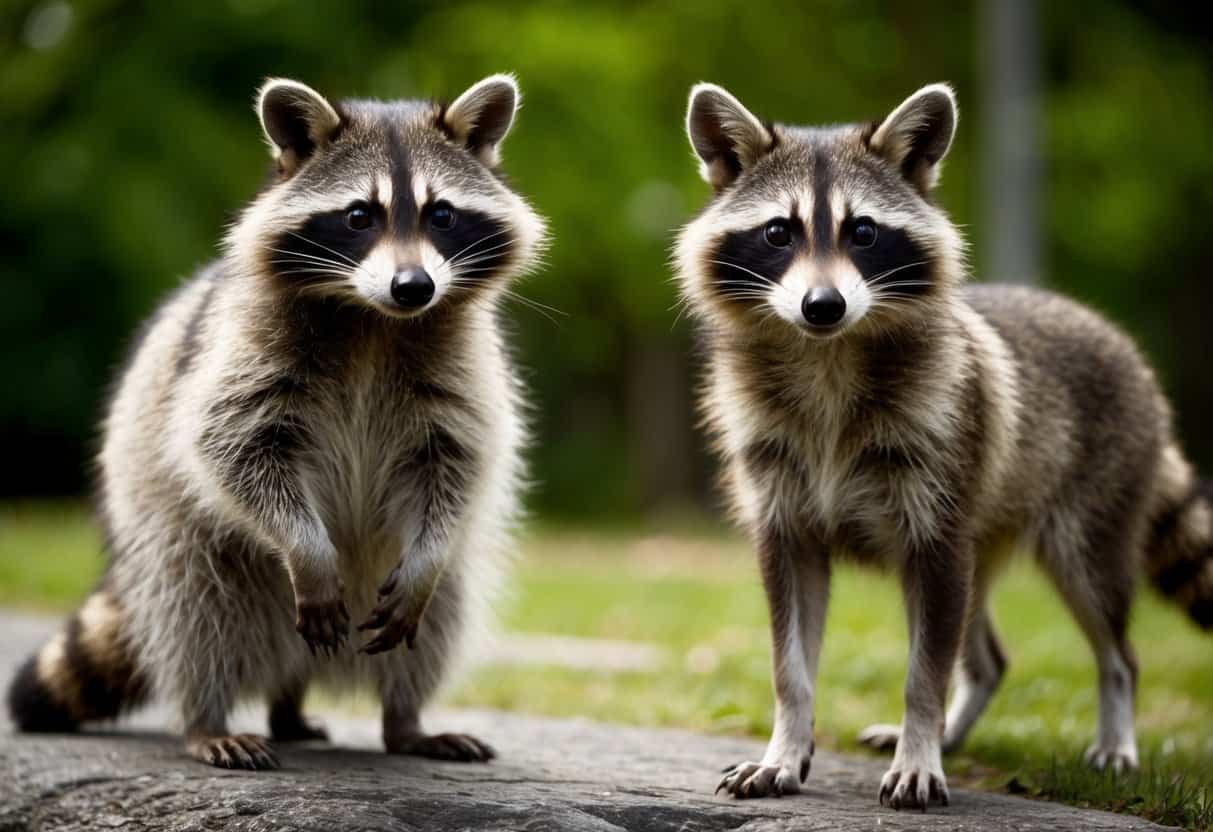
Raccoons and raccoon dogs have distinct physical traits that set them apart. These differences touch on aspects like size, body shape, fur coloration, and tail features. Understanding these characteristics helps you identify each animal easily.
Size, Weight, and Body Shape
Raccoons are generally larger than raccoon dogs. A typical raccoon weighs between 5 to 26 kg (11 to 57 lb) and measures about 40 to 70 cm (16 to 28 in) in length. They have a stocky body shape which contributes to their robust appearance.
In contrast, raccoon dogs are smaller and weigh around 5 to 10 kg (11 to 22 lb). They have a more slender body shape, which includes a pointed snout and shorter muzzle. Their size and body shape allow them to navigate through dense vegetation more easily, adapting well to their environments.
Fur Coloration and Facial Markings
Fur coloration varies significantly between these two animals. Raccoons usually have grayish-brown fur, with a noticeable black mask-like pattern around their eyes. This facial marking can help them stand out in the wild and absorb light at night.
Raccoon dogs have a different color scheme. Their fur is often a mix of brown, black, and gray, giving them a unique appearance. They do not have the prominent black mask of raccoons, but they feature light-colored fur on their cheeks, which contributes to their distinct look. Both animals’ fur helps them blend into their surroundings, aiding in camouflage.
Bushy Tails and Their Functions
Both raccoons and raccoon dogs have bushy tails, but they serve different functions. Raccoons have long tails with dark rings that aid in balance as they navigate trees. Their tails also serve as a form of communication with other raccoons.
Raccoon dogs possess bushy tails that are not as long but still play a vital role. Their tails help with balance and stability while running or climbing. Additionally, these tails can serve to keep them warm, as they curl up with their tails wrapped around them during colder months. This adaptation showcases their ability to thrive in various climates.
Behavior and Diet
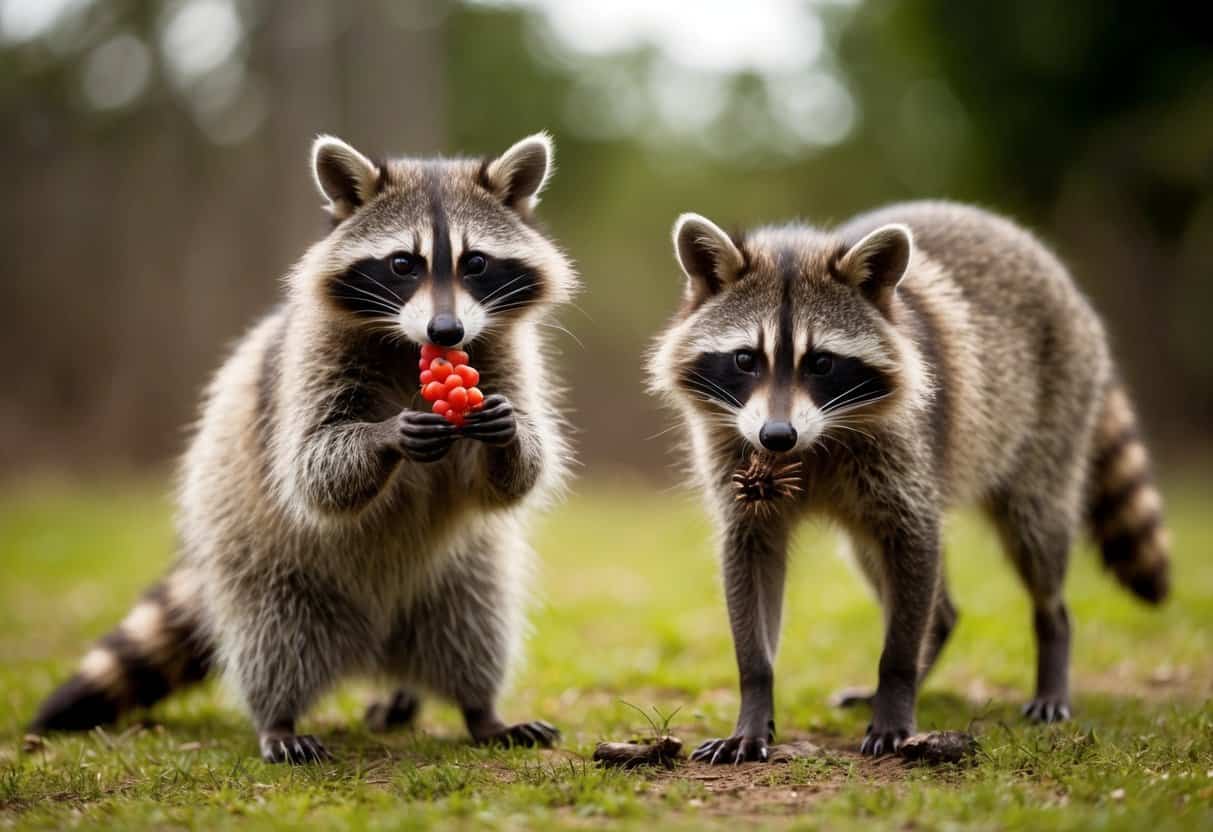
When exploring the differences between raccoons and raccoon dogs, their behaviors and diets offer key insights. Both species are omnivores, meaning they eat a mix of plants and animals. Their social behaviors are quite distinct, reflecting their adaptations to different habitats.
Omnivorous Diets: Hunting and Foraging
Both raccoons and raccoon dogs are classified as omnivores. This means their diets include a variety of food sources. They enjoy fruits, vegetables, insects, and small animals.
Raccoons are known for their clever foraging techniques. They often use their sensitive front paws to open containers and rummage through trash. In urban areas, you might see them scavenging for human food.
Raccoon dogs, on the other hand, also hunt small mammals and birds. They depend on their ability to adapt to various environments to find food. Their diet may change based on what is available in forests or urban settings.
Social Behavior: Family Groups and Solitary Lifestyle
Raccoons tend to be more solitary compared to raccoon dogs. Raccoons usually prefer to live alone or in small family groups, especially during the mating season. They communicate through various sounds and body language, showing signs of curiosity and intelligence.
Raccoon dogs are more social and often live in pairs or small family groups. This allows them to work together when foraging for food. Their social structure leads to unique communication methods, such as vocalizations and scent marking, which help them stay connected with one another.
Habitat: Forested Areas and Urban Adaptability
Both animals are adaptable and can thrive in various habitats. Raccoons are highly skilled at living in urban areas and are often found in parks and backyards. Their intelligence helps them adjust to human environments.
Raccoon dogs are primarily associated with forested areas but can also adapt to urban settings. They prefer dense woods where they can find shelter and food. Their ability to thrive in different environments showcases their survival skills.
Distribution and Conservation
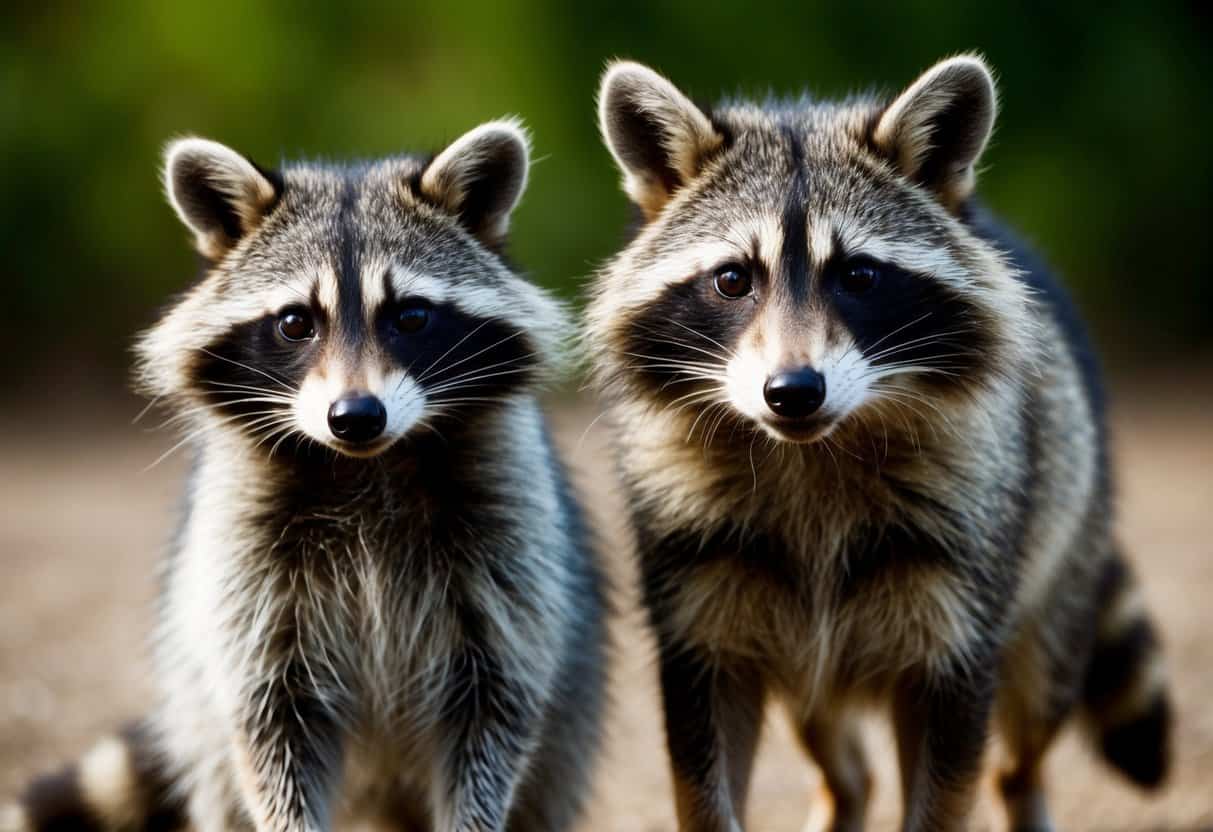
Understanding where raccoons and raccoon dogs live helps you appreciate their roles in their ecosystems. Each species has distinct habitats and some face challenges due to their ranges.
Native Ranges: North America and East Asia
Raccoons are primarily found in North America, where they inhabit forests, wetlands, and urban areas. They thrive in diverse environments, from mountainous forests to city neighborhoods. Their ability to adapt makes them common, especially in areas with ample food sources.
Raccoon dogs, on the other hand, are native to East Asia. You can find them in countries like Japan, China, and Russia, mainly in forests and mountainous areas. They prefer habitats with plenty of cover and food, such as fruit and small animals. Unlike raccoons, raccoon dogs have a unique trait; they are comfortable in colder climates, allowing them to live in northern regions.
Invasive Species and Their Environmental Impact
Raccoon dogs have been introduced to Europe and are considered an invasive species. Their presence can disrupt local wildlife. They compete with native species for food and resources, leading to declines in local animal populations.
In regions where they have been introduced, raccoon dogs can also spread diseases affecting other wildlife. This includes parasites that can impact domestic animals and wildlife. Managing their population is critical to preserving local ecosystems and ensuring that native species can thrive without competition.
Conservation Efforts and Status
Conservation efforts focus on protecting raccoons and raccoon dogs in their native ranges.
In North America, raccoons are generally plentiful, although habitat loss poses some risks. Efforts to maintain their habitats help ensure healthy populations. They thrive especially in protected areas where wildlife management practices are in place.
For raccoon dogs in East Asia, their conservation status varies.
Some regions have seen population declines due to hunting and habitat loss. Organizations are working to raise awareness and ensure that raccoon dogs have safe habitats to live and breed. These efforts are vital for keeping ecosystems balanced and protecting biodiversity.


