
Seahorses deal with a bunch of pressures, but honestly, the biggest one comes from humans damaging their habitats and catching them—sometimes on purpose, sometimes not. Habitat loss—like when seagrass beds, mangroves, and reefs get destroyed—mixed with unsustainable fishing, stands out as the main threat to seahorses worldwide.
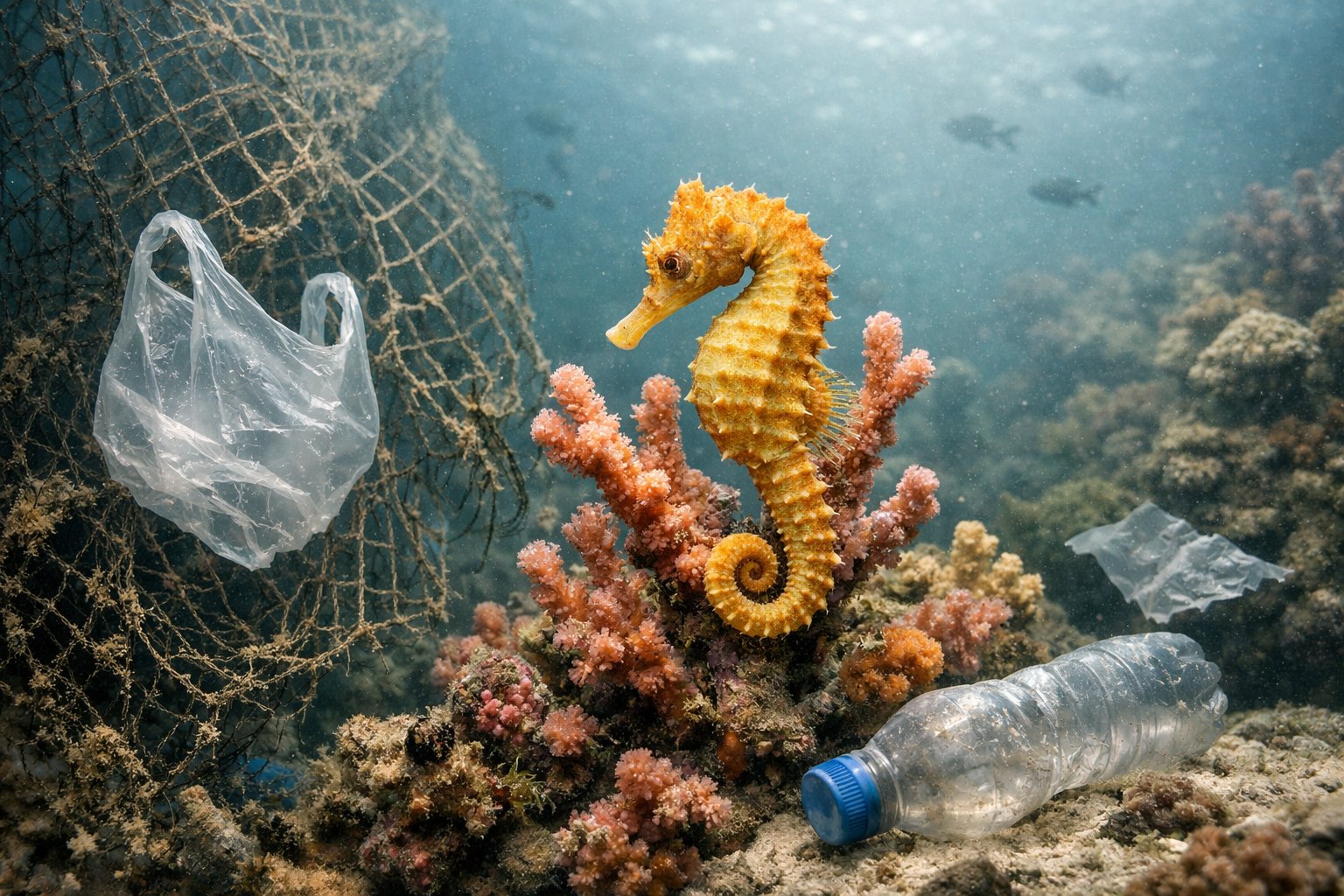
If you care about these weird, wonderful fish, stick around. The next sections dig into how habitat loss and fishing hurt seahorses, where threats are getting worse, and what people are actually doing to help.
You’ll see some real-world steps that communities use to protect seahorse homes and cut down on harmful fishing.
Primary Threats Facing Seahorses

Seahorses face obvious, human-driven dangers that chip away at their numbers and habitats. Let’s get into the main issues: habitat loss, fishing, and the demand from medicine and pet markets.
Habitat Loss and Degradation
Seahorse habitats—like seagrass beds, mangroves, and coral reefs—are shrinking at a worrying pace. Coastal development, dredging, and heavy boat traffic rip up or scatter the plants and corals where seahorses cling with their tails.
When seagrass disappears, young seahorses have a harder time surviving, and food gets scarce.
Polluted runoff from farms and cities dumps pesticides and too many nutrients into the water. That lowers water quality and hurts the tiny crustaceans that seahorses eat.
Rising sea temperatures and storms bleach corals and push seahorses out of their usual spots. Sometimes, local populations just vanish.
Protecting coastlines and bringing back seagrass or mangroves can really help seahorse numbers bounce back. You can support projects that cut runoff and block destructive building near known seahorse habitats.
Bycatch and Overfishing
Non-selective fishing gear like trawls and seines often scoop up seahorses by accident. Fishers going after shrimp or mixed catches drag nets across the seabed and end up catching seahorses without meaning to.
High bycatch rates can wipe out local seahorse populations fast.
Some fisheries target seahorses directly, selling them for traditional medicine or the aquarium trade. When people take away adults and especially breeding males, reproduction drops.
Illegal and unregulated harvesting just makes things worse since it ignores catch limits and size rules.
Gear that reduces bycatch, no-take zones, and fishing limits can help. Community monitoring and real enforcement make these measures work in places where fishing pressure is high.
Traditional Medicine and Aquarium Trade
The demand for seahorses in traditional medicine and the aquarium trade puts steady pressure on wild populations. Dried seahorses end up in some traditional remedies, which drives a big international trade.
Collectors also grab live seahorses for home aquariums and tourist souvenirs.
This trade usually slips through the cracks. Sometimes, people take seahorses from protected areas or sell them without any permits.
Taking lots of adults—especially breeding males—hurts the population’s ability to recover.
Regulation, trade tracking, and certified aquaculture can ease this pressure. If you want a seahorse for your aquarium, make sure it’s legal and sustainably raised, not ripped from the wild.
For more details, check out research on seahorse habitat degradation and the impacts of illegal trafficking and environmental threats.
Emerging and Ongoing Risks

Seahorses deal with several connected threats that wreck their homes, mess with their water, and shrink their numbers. It’s good to know which problems come from people, which are natural, and which conservation tools actually help.
Climate Change and Ocean Challenges
Rising sea temperatures push different Hippocampus species out of their usual ranges. Warmer water can force seahorses away from the seagrass beds and coral habitats you’d expect to find them in.
Some species speed up their metabolism in the heat, which can stunt growth or mess with reproduction.
Ocean acidification drops the pH of seawater and harms tiny crustaceans and shell-building animals that seahorses need for food. When prey like small crustaceans disappear, your local seahorse struggles to eat enough.
Extreme storms and changing currents rip up seagrass and scatter young before they settle.
You might notice climate impacts as shrinking seagrass beds, changes in breeding seasons, or more dead coral patches where seahorses once clung.
Pollution and Invasive Species
Pollution from runoff, sewage, and plastics chokes seagrass and weakens mangroves and coral reefs that so many seahorses depend on. Chemicals can damage the tiny fish and invertebrates seahorses eat, making food harder to find.
Microplastics sneak into food webs and might even reach Hippocampus through their prey.
Invasive species can outgrow native seagrass or change the shape of the habitat. For example, invasive algae sometimes form thick mats that block sunlight from reaching seagrass—bad news for seahorse nurseries.
In some areas, new predators or aggressive species reduce safe places for seahorses to anchor.
Local pollution controls, smart shoreline management, and getting rid of invasive plants make a real difference for seahorse habitats.
Natural Predators of Seahorses
Seahorses end up as prey for bigger fish, crabs, and octopuses. Young seahorses have it even tougher, since small predatory fish and plankton-feeders gobble them up.
Adult seahorses use camouflage and anchor themselves to avoid predators, but when habitats disappear, hiding gets a lot harder.
Predators have an easier time picking off seahorses when seagrass beds or reefs break into small patches. You might see more predation in damaged habitats with little cover.
Predators belong in the ecosystem, sure, but when humans mess up habitats, the balance tips against seahorses.
Conservation and Recovery Initiatives
Marine protected areas (MPAs) help seahorses by keeping seagrass, mangroves, and reef habitats safe. When people design MPAs well, they cut down on trawling and destructive fishing, so hippocampus populations finally get some breathing room.
Local communities often lead protection efforts and switch up fishing gear, which really helps reduce bycatch in shrimp trawls and nets.
Captive breeding and responsible aquarium trade programs can take some pressure off wild stocks, but only if folks stick to best practices.
Restoring seagrass beds, replanting mangroves, and cutting pollution can bring back the habitats seahorses need.
Monitoring programs track things like population size, breeding success, and how much prey is around. These checks show if recovery efforts are actually working.
When people connect fisheries management with habitat restoration and targeted conservation, seahorses get a real shot at survival in places where you might spot them.


