
You might think seahorses live like tiny, slow-moving sea giants, but honestly, their lifespans jump around a lot depending on species. Most seahorses (genus Hippocampus) get about one to five years in the wild. Smaller types usually don’t last long, while some of the bigger ones can stick around for years if conditions are right.
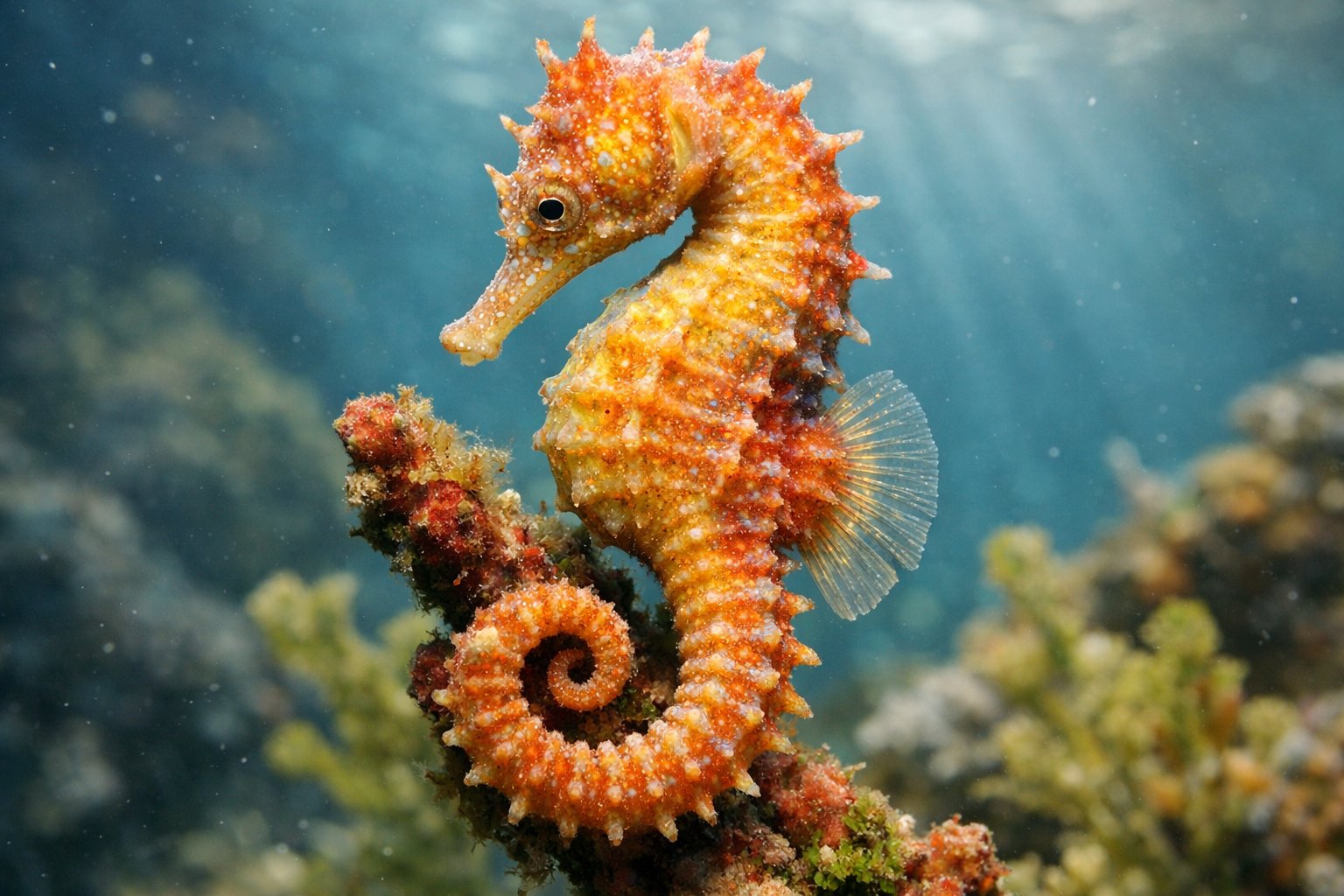
So, what really affects those numbers? Predators, where they live, what they eat, and even how people care for them all play a role.
Let’s dig into typical lifespans, some weird records, and the main things that decide how long a seahorse gets.
How Long Do Seahorses Live?

Seahorse lifespans bounce all over the place depending on species, where they live, and how they’re cared for.
Tiny species might only make it a year, while bigger ones can survive several years if they get lucky.
Seahorse Lifespan by Species
Different species really don’t follow the same rules. Dwarf seahorses like Hippocampus zosterae usually last around 6–12 months in the wild.
Larger types, such as the lined seahorse (Hippocampus erectus), often reach 2–4 years. Some of the big temperate ones—think Hippocampus guttulatus—can live even longer if they’ve got steady food and shelter.
Size, how fast they grow, and how they reproduce all matter. Small species grow up fast and don’t stick around long.
The bigger seahorses take their time, mature later, and can outlive the little ones by quite a bit if things go well.
Seahorse Longevity in the Wild
Predators, disease, and habitat loss cut a lot of seahorse lives short in the wild.
Young seahorses (fry) drift around as plankton and, honestly, most don’t make it. Surviving juveniles need seagrass beds or coral to hide and find food.
Humans have a big impact too. Coastal development and trawling wipe out seagrass and reefs.
If seagrass stays healthy, local seahorses get a better shot at survival. Discover Wildlife has more on how these habitats shape their chances.
Seahorses in Captivity
You can sometimes help a seahorse live longer in a good aquarium. Stable water, regular feedings (live or frozen copepods and mysids), and peaceful tankmates all make a difference.
Lined seahorses often get 3–5 years in well-run tanks. Dwarf species, though, still don’t last long even in captivity.
Good care matters: salinity, temperature, and water flow all play a role in keeping them healthy. Males carry the babies, and if they breed too often, it can wear them down.
National Geographic’s got some solid tips for keeping captive seahorses healthy.
Records of Exceptional Age
Some seahorses have totally blown past the usual lifespan. There are reports of spiny or temperate seahorses living 10–12 years in protected settings, but that’s rare.
These long-livers are usually big species, kept on a controlled diet, and pretty much shielded from disease.
It’s interesting because it shows what’s possible with great care and solid habitat. If you want to geek out over specific numbers, check out this species-by-species review of seahorse lifespans.
Key Factors Influencing Seahorse Lifespan
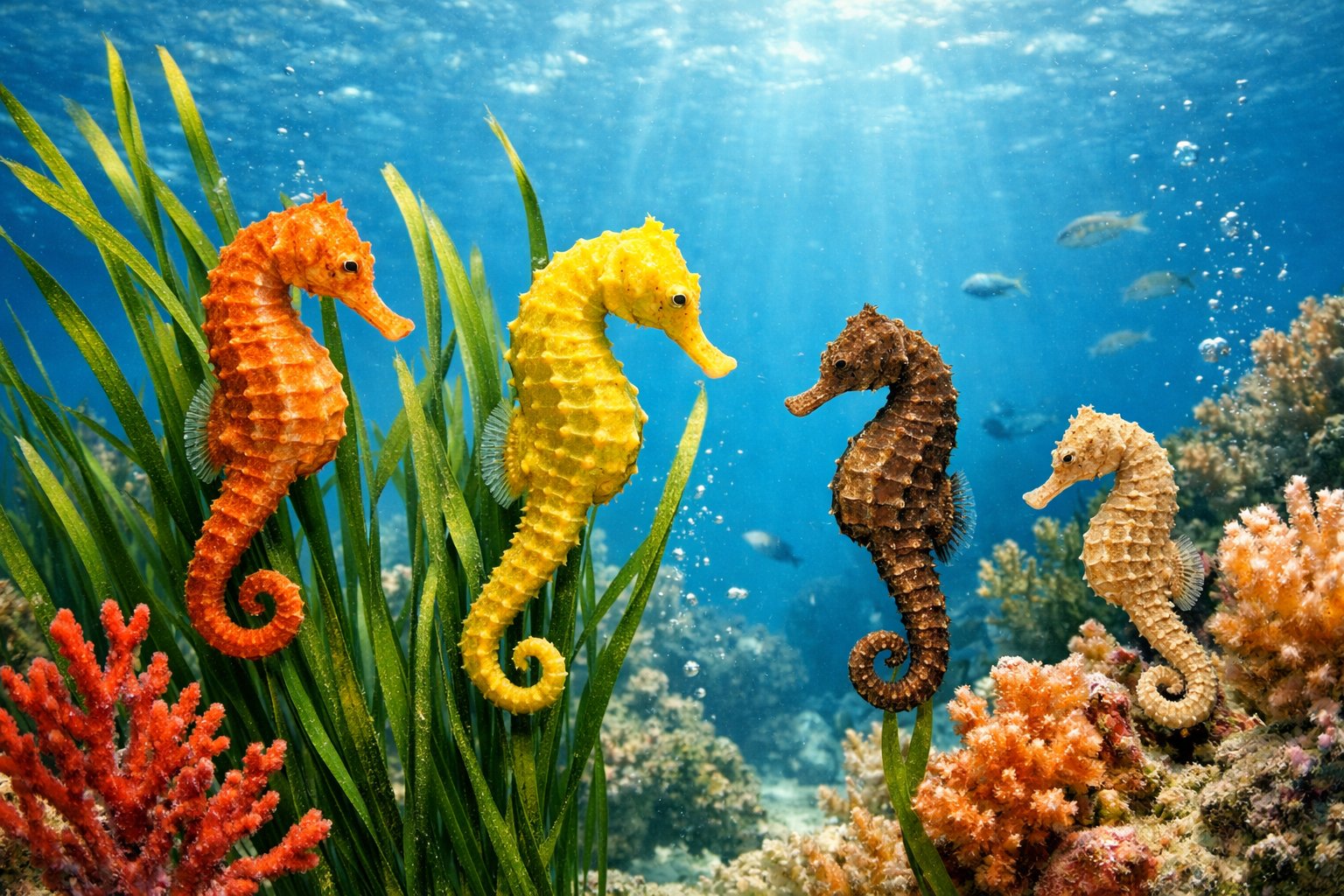
Where seahorses live, who hunts them, and how well people protect their homes—that’s what really decides how long they stick around.
You’ll notice big differences in lifespan depending on species, habitat quality, and threats like fishing or pollution.
Impact of Habitat on Survival
Seahorses really need specific habitats—coral reefs, seagrass beds, and mangroves top the list. These places give them something to grab with their tails and a spot to hide from predators.
If you ever visit a healthy seagrass meadow or coral patch, you’ll probably spot adult seahorses holding steady and looking less stressed.
Different species have their own preferences. Pygmy seahorses love branching coral, while some big ones go for seagrass or mangrove roots.
When coastal development, dredging, or coral bleaching wrecks these habitats, seahorses lose food and places to hide. That means more stress and shorter lives.
You can actually help by supporting projects that protect and restore coral reefs, seagrass, and mangroves.
Predation, Disease, and Human Threats
Young seahorses get hit the hardest. Juveniles drift as plankton and get eaten by crabs, rays, or just about any bigger fish.
Adults have bony plates and blend in pretty well, but some predators still manage to catch them.
Humans cause problems too—bycatch from trawling, collecting dried seahorses, and pressure from the aquarium trade all take a toll.
Polluted water and disease also cut their lives short. If you want to help, back sustainable fishing, skip products that hurt coastal habitats, and pick responsibly sourced aquarium fish.
Disease gets worse when populations are stressed by pollution or crowded tanks. Keeping an eye on these risks and pushing for better fisheries rules can help.
Seahorse Reproduction and Life Cycle
Seahorses belong to the syngnathidae family, along with pipefish and sea dragons. Here’s something cool: males carry the babies in a pouch.
This trait changes survival odds. Males can make a lot of young, but most fry die early since they drift around as larvae.
Growth and maturity happen fast for many species. A lot of them breed within a year.
Earlier maturity and quick growth help some species keep going, even with high losses among the young. Still, species with small ranges or really specific habitats face bigger risks over time.
How they breed—monogamous or not—and how faithful they are to mates shapes stress and energy use in adults, which can affect how long they live.
Conservation and Protection Efforts
When you protect seahorses, you’re also looking out for coral reefs, seagrass beds, and mangroves. It all connects. Marine protected areas help, and switching up fishing gear to reduce bycatch really makes a difference.
There are also limits on the dried seahorse trade, which is a step in the right direction. If you want to help, you could support groups focused on restoring habitats or improving fisheries management.
Local monitoring and citizen science projects gather real data on how seahorses live and survive. Responsible aquaculture and captive breeding can ease the pressure on wild populations, but only if done carefully.
Teaching communities about the syngnathidae family—and how seahorses hunt as ambush predators—can spark more local interest in protecting them.
Curious about seahorse survival or what they need to thrive? Check out Project Seahorse’s survival and growth findings.


