
You might think lions and elephants keep their distance, but nature always finds a way to surprise us. Yep — lions have killed elephants, though it’s almost always calves or sick adults, and it only happens under pretty specific circumstances. Let’s dig into when and why these rare events take place, so you can decide for yourself just how unusual they are.

We’ll look at what pushes lion prides to risk such dangerous hunts, where people have seen these attacks, and the strategies lions use when they go for it.
Keep reading if you’re curious about the real facts behind this wild question.
Do Lions Kill Elephants?

Lions have killed elephants, but honestly, it’s rare and usually only happens under certain conditions. Most of the time, you’ll see it with coordinated prides, vulnerable young elephants, or the occasional bold group of lions that’s learned this risky behavior.
Documented Cases of Lions Killing Elephants
Researchers and park rangers have actually witnessed lion prides bringing down elephants. These incidents mostly come from African savanna parks with large, gutsy prides.
Some reports talk about lionesses teaming up to take down a young or weak elephant, holding on until it’s over.
In Botswana and a few southern African reserves, some prides have gotten into the habit of hunting juvenile elephants. Field notes often mention several lions biting at legs and trunks while others distract the adults.
You can check out examples and news stories about this on sites like Discover Wildlife (see their report on lions and elephants).
These cases don’t happen often. Most studies point out that adult elephants usually fend off or flat-out avoid lion attacks. Still, the fact that it happens at all is kind of wild.
Circumstances When Lions Hunt Elephants
Lions usually go after elephants only when they’re desperate or see a real chance. Hunger, drought, a lack of easier prey, or a pride that’s picked up the skill can push them to try.
You’ll often see attacks during river crossings or when a calf gets separated from the herd.
A successful hunt needs a lot of lions working together for a long time. They’ll target the legs or trunk to slow the elephant down, then keep at it until the animal’s exhausted.
Rainy nights or thick cover help the lions get close. Weak, sick, or injured elephants are way more likely to get targeted than healthy adults.
Human activity—like habitat loss or messing with prey numbers—can sometimes push lions to take bigger risks. But honestly, lions would rather chase buffalo or zebra if those are around.
Which Elephants Are Targeted by Lion Prides
Lions mostly go after calves and young subadults. Calves under a few years old just don’t have the size or experience to fight off a gang of lions.
Mother elephants do their best to protect them, but a calf that’s wandered off is in real danger.
Sometimes, if a subadult (up to about 10–15 years old) gets separated or injured, lions might take the shot. Fully grown adults—especially big females and bulls—almost never get killed. Their size, tusks, and the whole herd’s defense make the risk just not worth it for lions.
Prides that specialize in hunting elephants are super rare. They’ve picked up special tactics and usually live in places where other prey is hard to find, so they’re more likely to go after bigger elephants.
How and Why Lions Hunt Elephants
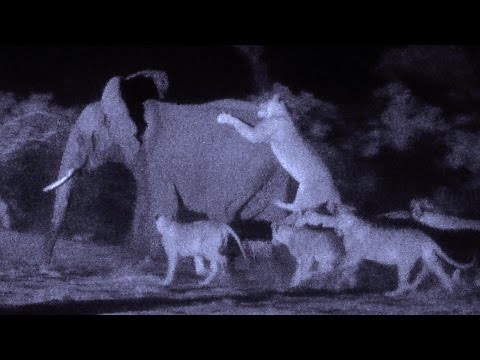
Lions only attack elephants in very specific situations where they think it might pay off. Let’s look at the tactics, environmental triggers, and what happens to the herd after a kill.
Lion Hunting Strategies Against Elephants
Lions have to rely on teamwork and numbers when they target elephants. One lion alone doesn’t stand a chance against an adult.
You’ll usually see groups of 8–20 lions, with a lot of adult females leading the charge. They try to separate a calf or weak adult, sneaking up from cover and launching quick attacks to avoid those tusks and kicks.
They focus on softer spots—like the throat, belly, and hind legs. Some lions bite and hold, while others pull or wound to wear the elephant down.
Hunters often wait for dusk or nighttime, when it’s easier to sneak up and the herd might let its guard down. Sometimes, males join in for extra muscle or just to intimidate.
Environmental Factors Influencing Lion Predation
Drought, prey shortages, and changes in the landscape can push lions to go after elephants. During long dry spells, when zebras and wildebeest are scarce, prides might try their luck with elephants.
When waterholes shrink and cover disappears, young elephants can get separated from the herd, making them easy targets.
The landscape matters too. Thick mopane woods and river thickets give lions good hiding spots for ambushes.
Some protected areas in Botswana have seen more of these hunts because big, experienced prides learn and pass down the technique. Still, these attacks are rare and usually tied to what’s happening locally.
Impact on Elephant Populations
Lions mostly kill calves or the weak, so they don’t usually affect adult elephant numbers much. The biggest impact comes during droughts or when small, scattered herds don’t have enough adults to protect the young.
Losing calves over and over can slow down local population growth and make herds more cautious—mothers will keep their calves closer to cover.
In places where prides hunt elephants regularly, park managers sometimes keep an eye on calf survival rates. If they see too many calves dying, they might tweak water access, step up anti-poaching patrols, or change how they manage the habitat to help elephants out and cut down on risky lion hunts.
Do Lions Eat Elephants After the Kill
Yeah, lions definitely eat elephant carcasses—sometimes for several days straight. When a big pride brings down a calf or finds a dead elephant, they’ll dig in right away. Usually, the dominant females and big males get first dibs, while the younger lions and cubs hang back and wait their turn.
Pretty soon, you’ll spot hyenas, vultures, or jackals showing up to snatch leftovers and pick the bones clean. Elephant meat’s loaded with nutrients, so a pride can really stretch out a meal like this, especially when food’s scarce. Watching lions feed on an elephant? It’s wild, but for them, it’s survival.


