
Rats can turn your home into a headache fast—damaging your stuff and spreading disease. If you’ve spotted signs of rats or just want to make sure they don’t move in, you’ll want to know the best way to kick them out.
The most effective way? Seal up entry points, get rid of food sources, and use natural or humane repellents. That combo actually keeps rats away for good.

Just setting traps or tossing out poison won’t cut it. Rats adapt fast, and you need to make your place unappealing so they don’t want to stick around.
Inspect your home, clear out clutter, and pick safe, eco-friendly methods that won’t put your family or pets at risk.
If you’re looking to solve the problem without harsh chemicals or constant stress, this guide’s got your back. You’ll find practical tips anyone can use, whether you’re preventing rats or dealing with a current infestation.
How to Get Rid of Rats Quickly and Effectively

Acting fast means you need to spot the signs early, pick the right traps or baits, and know when it’s time to call in the pros. Every step helps you get ahead of the problem before it spirals out of control.
Identifying a Rat Infestation
Start by looking for certain signs around your place. Rat droppings look small, dark, and kind of like pellets.
Check for gnaw marks on wood, wires, or food containers. Rats rub against walls, leaving greasy smudges from their fur.
At night, listen for scratching or scurrying in the walls or ceiling. Sometimes there’s a strong ammonia-like smell from their urine.
Try sprinkling baking soda on dusty spots—if you see little tracks the next day, you’ve probably got rats.
Catching these clues early lets you act before things get out of hand.
Best Traps and Bait Methods
Snap traps work fast and kill rats instantly. Put them along walls or where you’ve noticed rat activity, and bait them with peanut butter or fruit.
If you’d rather not kill, live traps let you catch and release rats far away, but you’ll need to check them often.
Glue boards can catch rats that avoid snap traps, though honestly, some folks don’t like them since they’re less humane.
If you use chemical baits or rodenticides, always go for tamper-resistant bait stations to keep pets and kids safe.
Rats are naturally suspicious and might avoid new traps at first. Try setting empty traps for a couple days so they get used to them, then add bait.
Always clean up dead rats quickly—nobody wants that smell lingering around.
When to Call Professional Pest Control
If you’re seeing lots of rats or signs that things are out of control, it’s smart to call in professional pest control. They’ll spot and seal entry points you might miss and use stronger rat killers safely.
Pros know how to handle rodenticides and bait stations the right way, so you don’t have to worry about your family or pets. They can also help you keep rats from coming back.
If traps and home fixes aren’t working or you’re just not comfortable dealing with all this, let the experts handle it.
For more tips on identifying and controlling rats, check out this detailed guide on rat control.
Prevention and Long-Term Rat Control Strategies
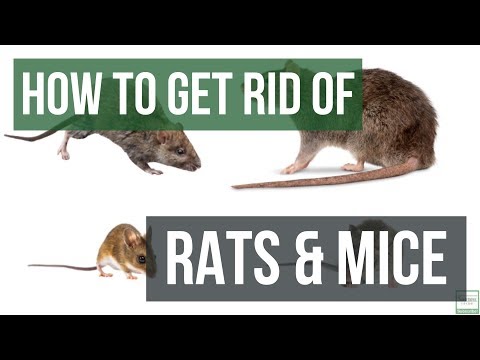
If you want to keep rats gone for good, focus on your home’s weak spots, cut off their food, and use safe repellents. When you combine these steps, you make your place way less attractive to any rat, whether it’s a roof rat or a Norway rat.
Sealing Entry Points and Home Maintenance
Rats can squeeze through holes as tiny as a quarter of an inch. Check your home closely and seal up cracks and crevices with steel wool, metal flashing, or concrete.
Look carefully around pipes, vents, doors, and windows. Make sure your door sweeps fit tight and your screens aren’t ripped.
Regularly inspect your roof, foundation, and attic for new gaps. Staying on top of maintenance keeps rats from sneaking back in.
Removing Food Sources and Attractants
Rats are always hunting for easy meals. Store food in sealed metal or heavy plastic containers.
Clean your kitchen and pantry often, and wipe up crumbs or spills right away. Don’t leave pet food out overnight.
Keep trash cans closed tight and take out the garbage regularly.
Outside, pick up fallen fruit, nuts, and yard debris—don’t give rats a reason to hang around. A little extra cleanliness goes a long way.
Natural and Chemical Repellents
Repellents can help make your home less appealing to rats. Some natural options, like peppermint oil and black pepper, give off scents that rats really can’t stand.
Try soaking a few cotton balls in peppermint oil and placing them near entry points or spots where you’ve seen activity. Swap them out every few days to keep the smell strong.
If you want to use chemical repellents, just be careful—always read the label and make sure pets and kids can’t get into it.
Honestly, repellents work a lot better if you also seal up cracks and keep food put away.
For more ideas about sealing and baiting, check out this article on rat control in urban environments.


